


Last updated: October 12, 2026
Key takeaways
- People washed their hair with soap-based bars for roughly 800 years before liquid synthetic shampoo became the norm in the 1940s.
- Synthetic surfactants such as sodium lauryl sulfate, developed in the 1930s, displaced bar soap partly because they performed in hard water and suited mass-market bottle packaging.
- The core chemistry of bar shampoo — saponification of plant oils with lye — has not fundamentally changed since Aleppo soap was perfected in the 8th–12th centuries.
- The modern bar shampoo revival is driven by concerns about plastic waste, palm-oil deforestation, and synthetic-surfactant water pollution, not by nostalgia alone.
- Modern shampoo bars differ from traditional Castile soap in using multi-oil blends of 4–6 plant oils, omitting palm oil, and being formulated specifically for hair rather than general washing.
The 12th-century crusader returning to Europe with a mysterious green-grey bar of “Aleppo soap” had no idea he was handing his civilisation a hair-washing tradition that would last 800 years. Long before “shampoo” was a marketing word, people washed their hair with soap. Then for about 70 years, they didn’t. Now they’re starting to again.
Here’s a fast tour through the history of shampoo, with the chemistry plain enough to make sense.
Pre-history: clay, ash, and oil
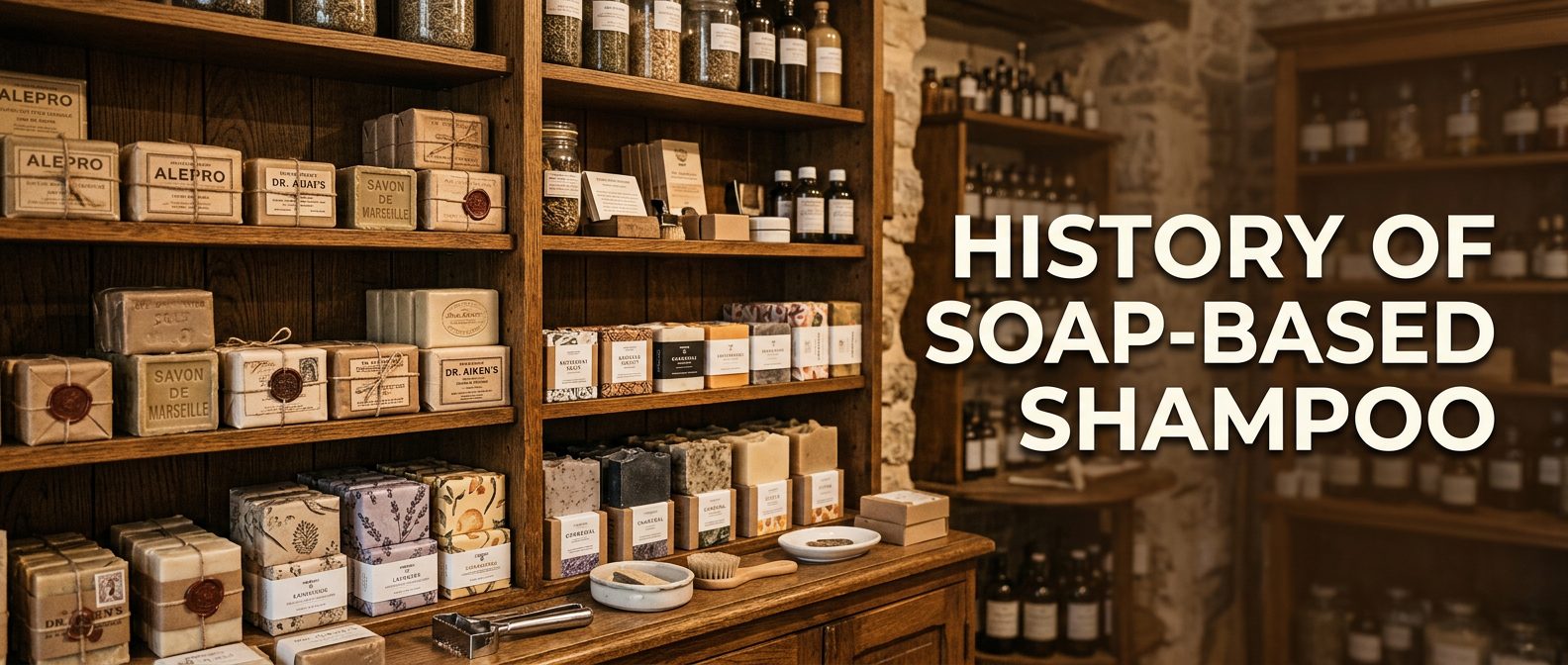
Before saponified soap existed, people cleaned hair with combinations of:
- Animal fat or plant oil to “lift” dirt
- Wood-ash water (an alkaline rinse) to bind oils into early soap-like compounds
- Rinses with water
- Aromatic herbs for scent
The Sumerians left clay tablets describing oil-and-ash mixtures around 2800 BCE. The Romans had public bathhouses with strigils to scrape off oil-and-dirt mixtures. Hair was a side concern.
The first true soaps: Aleppo and Castile
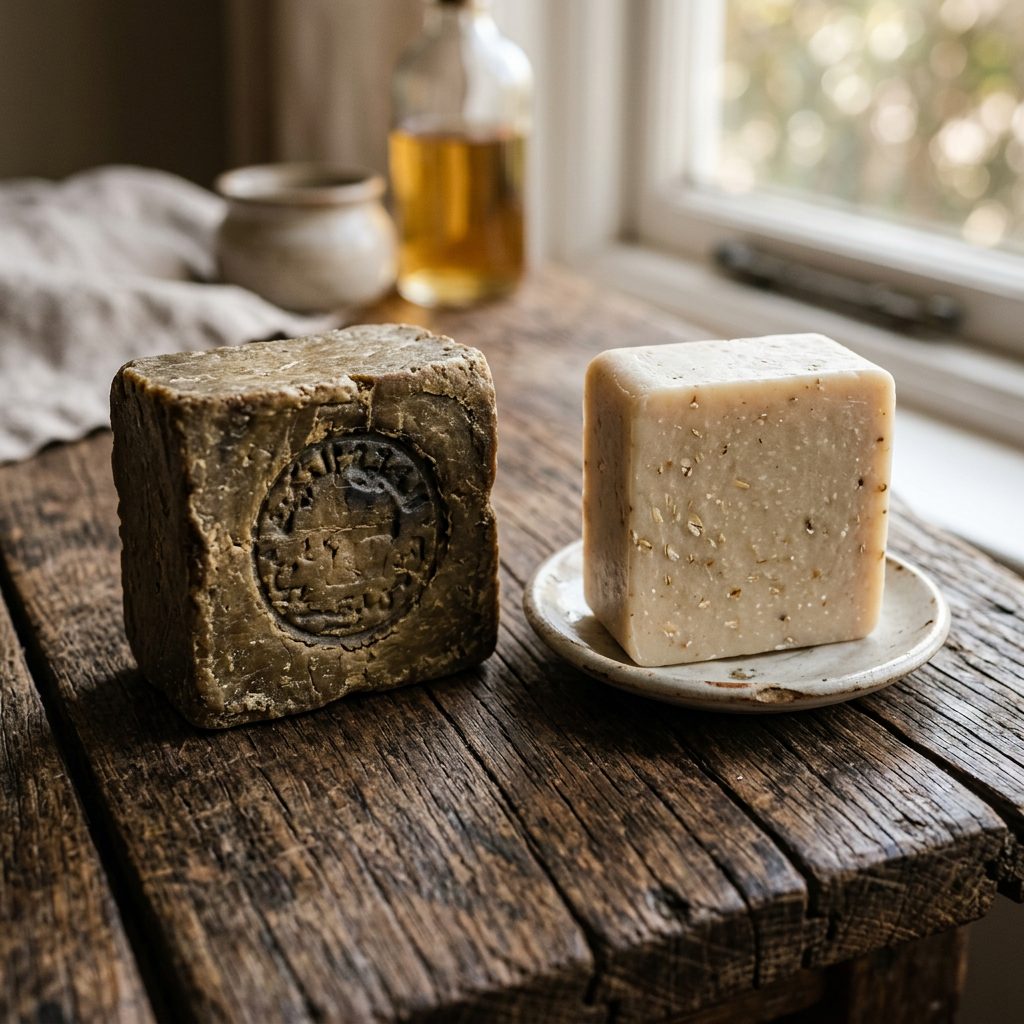
Sometime around the 8th–12th centuries, soap-makers in Aleppo (modern Syria) perfected a recipe of olive oil, laurel oil, and lye from wood ash. The result was a hard, long-lasting bar with surprisingly mild cleansing properties.
Aleppo soap travelled west via the crusades. By the 13th–14th centuries, Spanish and Italian soap-makers were producing their own olive-oil-based bars under the name “Castile soap” (from Castile, Spain). For 600 years, that’s basically what people in Europe washed with — including their hair.
Where the word “shampoo” comes from in the history of shampoo
The English word arrived from India in the 18th century, from the Hindi chāmpo — meaning to massage or knead. British colonial officers brought back the practice of head-massage with herbal oils, called it “shampooing,” and gradually the word came to mean the cleaning step rather than the massage step.
Until the 1930s, “shampoo” still meant washing hair with bar soap, sometimes preceded by an oil massage. It was a verb more than a product.
The 1930s: synthetic detergents arrive
In 1934, German chemists at IG Farben patented one of the first synthetic surfactants used commercially in shampoo. Around the same time, American formulators developed sodium lauryl sulfate from coconut oil. By the late 1930s and early 1940s, “shampoo” started shifting from “use bar soap on hair” to “use this liquid product designed for hair.”
The advantages were real:
- Worked in hard water (no soap-scum film)
- Foamed reliably
- Could be pH-buffered to skin pH
- Could be fragranced and coloured for marketing
The bottle era (1950–2010)
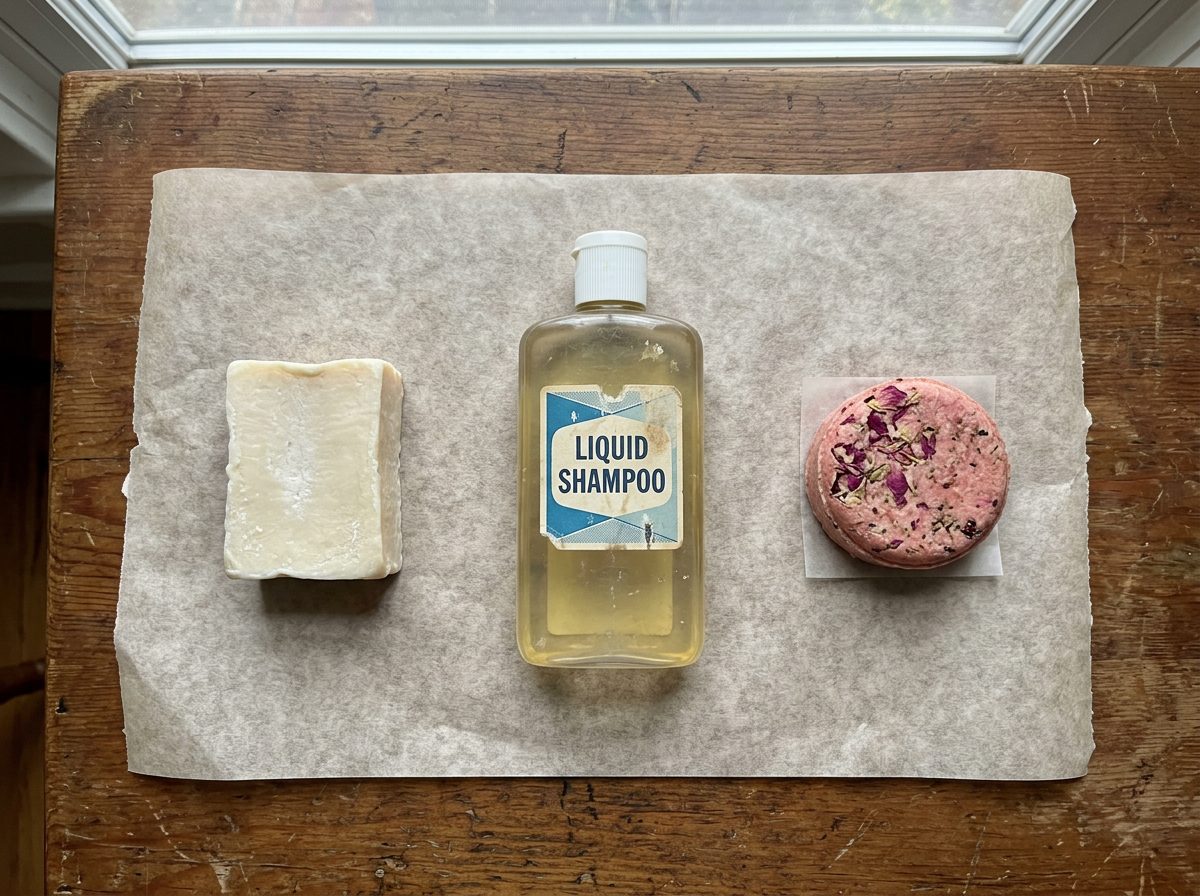
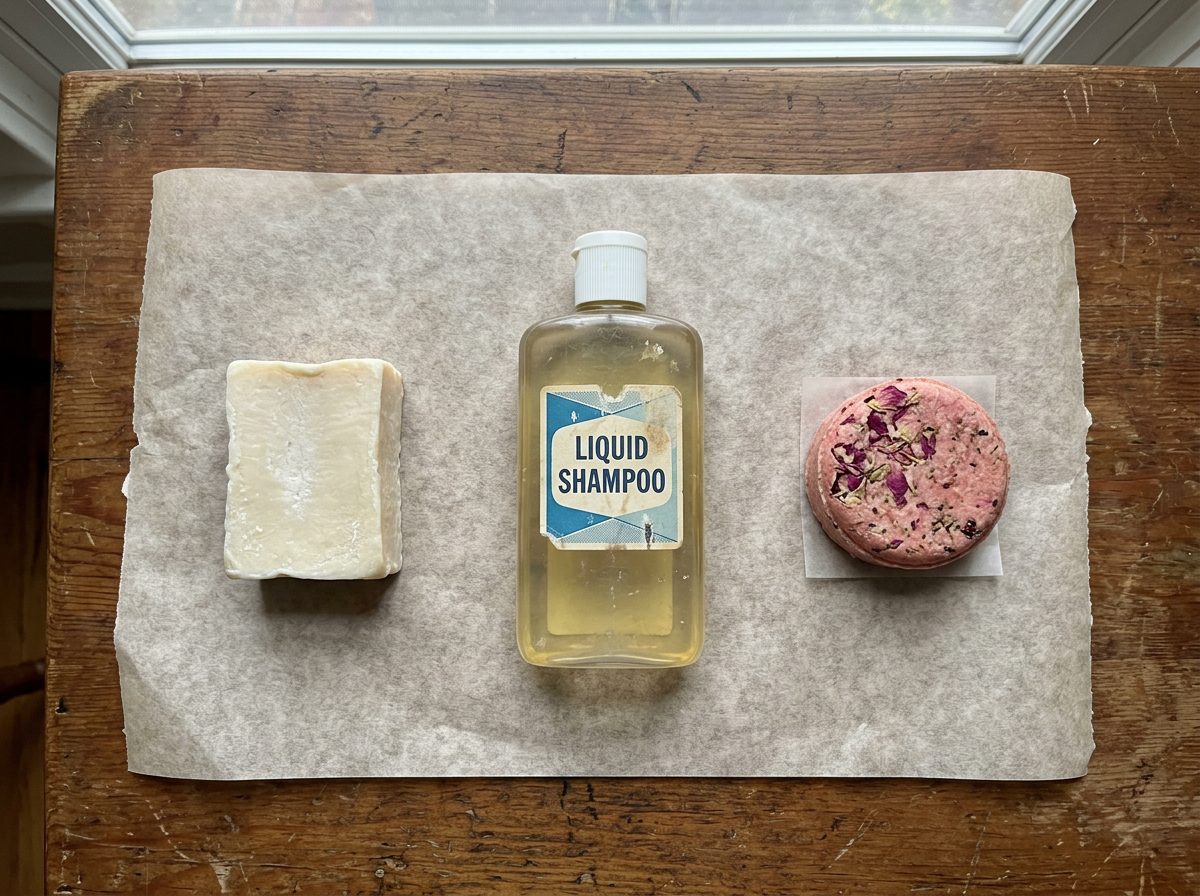
Plastic bottles, mass advertising, and surfactant chemistry combined to make liquid shampoo the default. The “lather, rinse, repeat” instruction became universal — according to industry lore, partly to double consumption.
By 1980 the soap-shampoo bar was a niche product, found mostly in old-style barbershops and a few European drugstores. Most consumers had never used one.
The plastic problem (2010–today)
Public awareness of plastic waste, palm-oil deforestation, and synthetic-surfactant water pollution has driven the bar shampoo revival. Modern bars are not your grandmother’s Castile soap:
- Multi-oil formulations balanced for hair, not just skin
- Cold-process methods that preserve plant-oil compounds
- Vegan, palm-oil-free options
- Designed bar shapes for grip and drying
- Acid rinse practices reintroduced from older traditions
Why the chemistry in the history of shampoo has not changed in 800 years
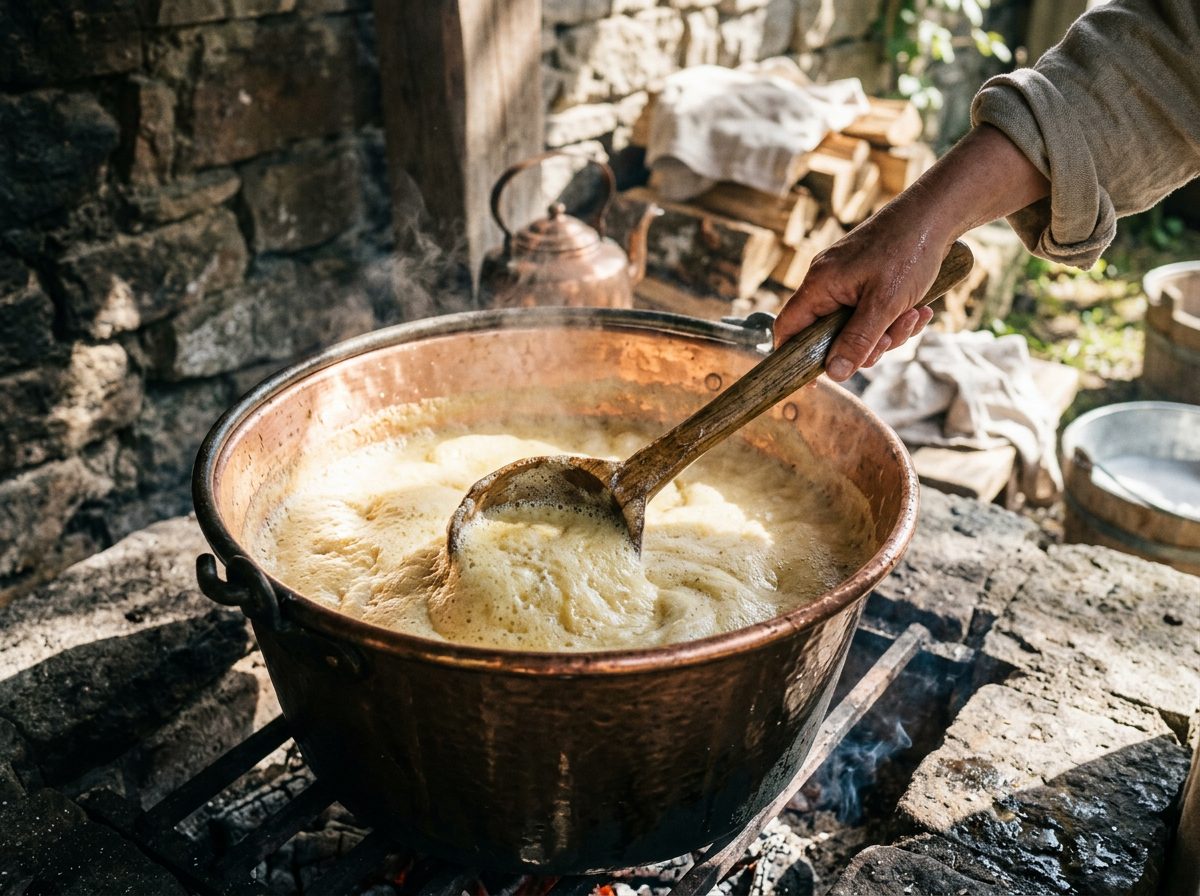
What’s surprising about the bar shampoo revival is how little the underlying chemistry has changed since Aleppo. Saponification — oils plus an alkali — is the same reaction that ran in copper pots in 12th-century Syria. The improvements are:
- More precise oil-blending science
- Standardised lye purity
- Better understanding of pH balance and acid rinses
- Modern packaging with no plastic
Why this is more than nostalgia
The shampoo bar revival isn’t just a vintage aesthetic. It’s the recognition that 70 years of liquid synthetic shampoo — while convenient — created problems (plastic pollution, palm-oil deforestation, water in bottles) that the older method didn’t have.
That doesn’t make every cold-process bar perfect. But it does mean the basic question “is washing hair with real soap viable?” has an answer most of human history says yes to.
The modern revival chapter in the history of shampoo
- Multi-oil blends: instead of just olive oil, modern bars use 4–6 oils for balance
- Palm-oil-free: traditional commercial bars used palm; ethical modern bars don’t
- Vegan options: traditional Aleppo and Castile were already vegan; many modern bars retain that
- Acid rinses: old-time hair-washing usually included a vinegar or lemon rinse; modern users have to relearn this
The next chapter
EU regulations on single-use plastics and packaging are accelerating the shift back to solid formats — not just shampoo, but conditioner bars, body bars, and dish soap. The bar isn’t a return to the past. It’s the next iteration of a chemistry that worked, dressed in modern formulation knowledge.
FAQ
Is Aleppo soap the same as a modern shampoo bar? Similar chemistry, different blend. Aleppo uses olive + laurel oil; modern bars use 4–6 plant oils balanced for hair specifically.
Was 1920s “shampoo” really just bar soap? Yes, almost universally. Liquid shampoo as we know it is a post-1940s product.
Why did the industry move to liquid? Liquid handled hard water without soap-scum, foamed more dramatically, and could be sold in disposable bottles — great for industry economics, less great for the environment.
Want a modern bar that draws on 800 years of soap chemistry? Browse our cold-process shampoo bars — six organic oils, palm-oil-free, made the slow way.