Natural Care Blog

Expert tips, guides, and advice on natural shampoo bars, conditioner bars, and sustainable hair care. Learn how to choose the best palm oil-free, vegan shampoo bar for your hair type.

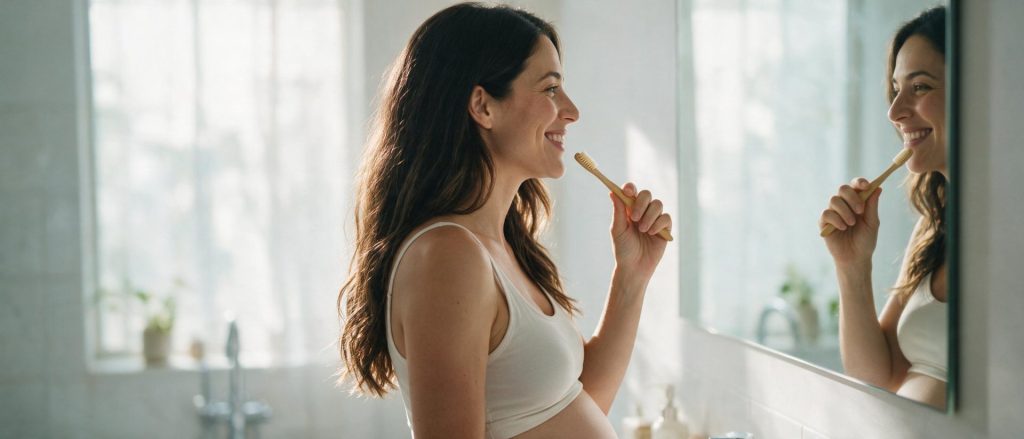
Pregnant woman brushing her teeth in a bright airy bathroom

Is Hydroxyapatite Safe During Pregnancy? What to Know

Key takeaways Hydroxyapatite is the same calcium phosphate mineral that makes up teeth and bone, and no specific safety concerns have been identified for using it in oral care during pregnancy. Honest caveat: there are no dedicated clinical studies of hydroxyapatite oral care in pregnant women — “no known concerns” is not the same as

Is Hydroxyapatite Safe During Pregnancy? What to Know Read More »

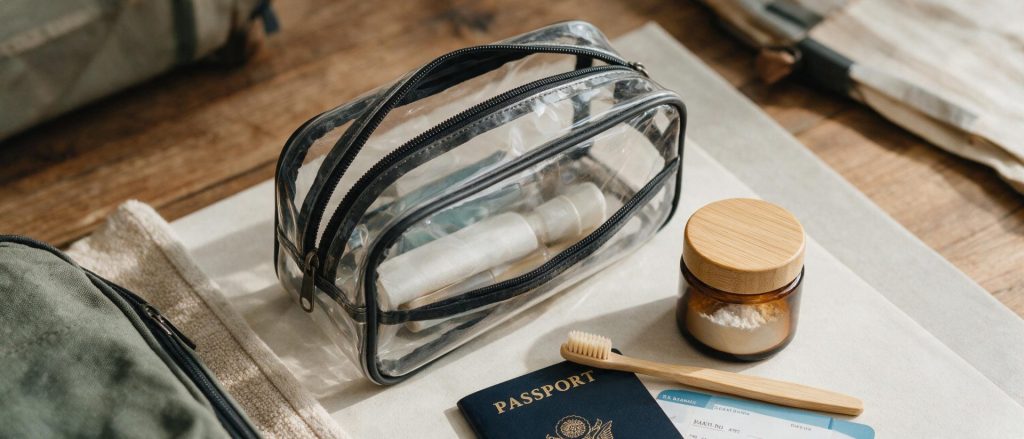
Travel flat-lay with a toiletry bag, jar of hydroxyapatite tooth powder, and passport

Traveling with Hydroxyapatite Powder: TSA Rules & How to Pack It

Key takeaways Hydroxyapatite powder is allowed in both carry-on and checked bags — powders are not restricted by the TSA liquids rule. The TSA powder rule: containers over 12 oz / 350 ml must go in a separate bin for X-ray screening and may get additional checks. Natural Answer jars (20–100 g) are far below that threshold. Regular

Traveling with Hydroxyapatite Powder: TSA Rules & How to Pack It Read More »

Smiling teenager with metal braces holding a toothbrush in a bright bathroom

Hydroxyapatite for Braces: Is It Safe for Whitening & Enamel While in Orthodontic Treatment?

Key takeaways Hydroxyapatite is generally considered safe to use with braces — it is non-bleaching, low-abrasion, and does not damage brackets, wires, or bonding adhesive. White-spot lesions around brackets are the most common side effect of fixed braces; they are early demineralisation — exactly what hydroxyapatite targets. Skip peroxide bleaching during fixed braces: enamel under

Hydroxyapatite for Braces: Is It Safe for Whitening & Enamel While in Orthodontic Treatment? Read More »

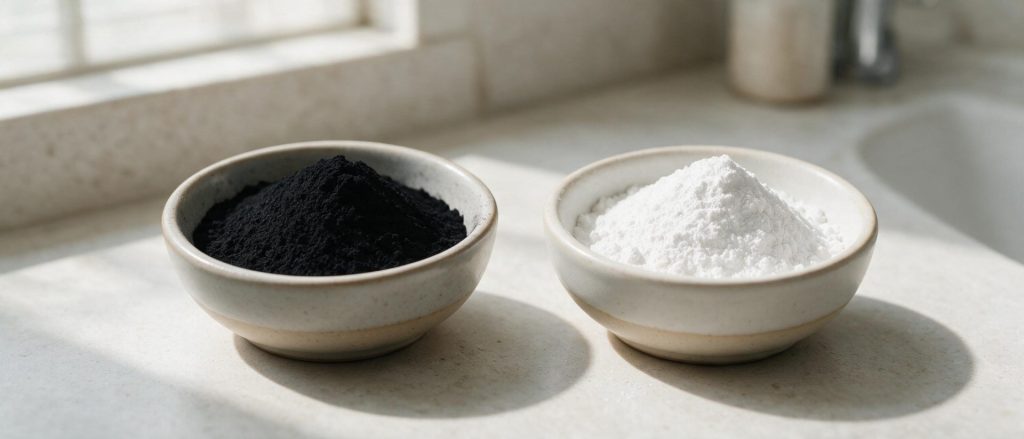
Activated charcoal powder next to white hydroxyapatite powder in matching bowls

Hydroxyapatite vs Activated Charcoal Toothpaste: Which Is Better for Whitening?

Key takeaways Charcoal whitens by abrasion: it scrubs surface stains off, and with them, over time, microscopic amounts of enamel. Hydroxyapatite whitens by addition: it deposits white mineral into surface defects, smoothing and brightening enamel while strengthening it. A 2017 review in the Journal of the American Dental Association found insufficient evidence that charcoal dentifrices

Hydroxyapatite vs Activated Charcoal Toothpaste: Which Is Better for Whitening? Read More »

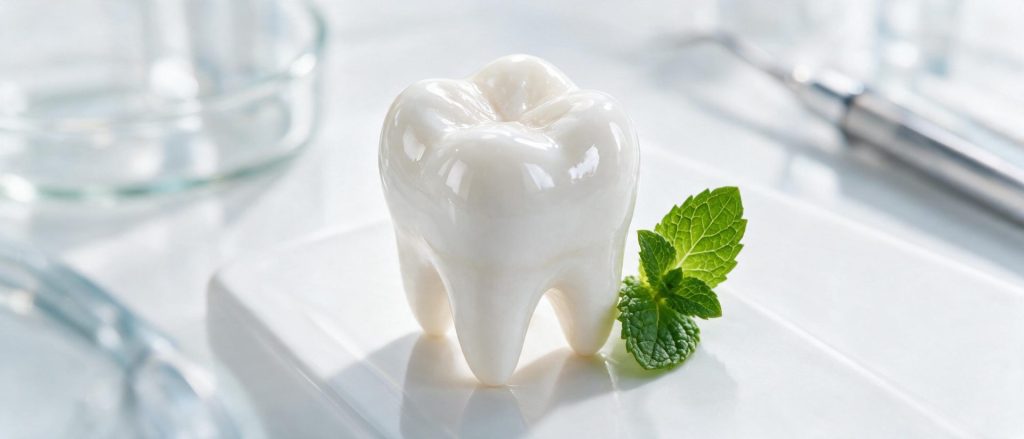
Close-up of healthy white tooth enamel with a glossy remineralised surface

Can Hydroxyapatite Repair Tooth Enamel? What the Science Says

Key takeaways Mature enamel contains no living cells, so lost enamel can never grow back — no toothpaste, powder, or rinse changes that. Hydroxyapatite can remineralise early-stage damage: softened enamel and white-spot lesions can regain mineral and hardness before a cavity forms. HAP is the same calcium phosphate mineral enamel is made of, which is

Can Hydroxyapatite Repair Tooth Enamel? What the Science Says Read More »