



Last updated: August 19, 2026
Key takeaways
- Hydroxyapatite is the same calcium phosphate mineral that makes up teeth and bone, and no specific safety concerns have been identified for using it in oral care during pregnancy.
- Honest caveat: there are no dedicated clinical studies of hydroxyapatite oral care in pregnant women — “no known concerns” is not the same as “proven safe”.
- Pregnancy is hard on teeth: hormonal gingivitis, morning-sickness acid, and snacking all raise the risk of enamel erosion and decay.
- Unlike fluoride, hydroxyapatite carries no ingestion warnings — a practical reassurance when pregnancy nausea makes swallowing toothpaste more likely.
- Talk to your midwife, doctor, or dentist before changing your oral-care routine during pregnancy — this article is information, not medical advice.
Is hydroxyapatite safe during pregnancy? Based on what it is — the same calcium phosphate mineral your teeth are already made of, used as a food-grade ingredient — there is no identified reason for concern, and no ingestion warnings apply to it. But the fully honest answer to whether hydroxyapatite is pregnancy safe includes this: it has not been specifically studied in pregnant women, so the right move is to run any routine change past your midwife, doctor, or dentist first.
This article lays out what’s known, what isn’t, and why oral care deserves extra attention during pregnancy in the first place.
Why pregnancy is hard on your teeth
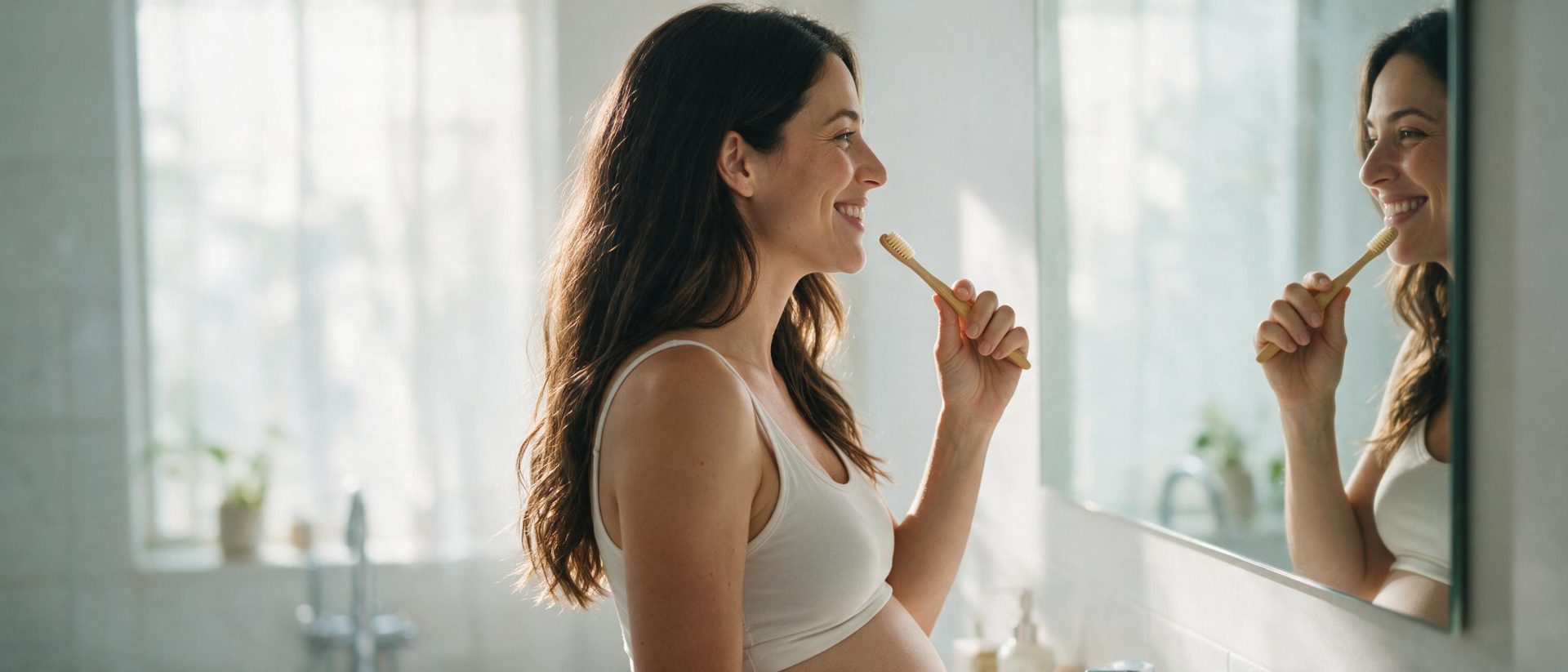
Pregnancy changes the mouth’s working conditions in three ways, and all three push in the wrong direction:
- Hormonal gingivitis. Elevated hormones exaggerate the gums’ response to plaque — many pregnant women notice swollen, tender, or bleeding gums even with an unchanged routine. Dentists actively encourage more oral care during pregnancy, not less.
- Morning sickness and reflux. Stomach acid is far below the pH at which enamel dissolves. Repeated vomiting or reflux bathes teeth in acid, softening the enamel surface — a genuine erosion risk across a full trimester.
- Cravings and grazing. More frequent snacking means more frequent acid cycles from plaque bacteria, with less recovery time between them.
So the question isn’t whether to keep up oral care while pregnant — that part is settled — but which products to use, which is where hydroxyapatite enters the conversation.
What we know about hydroxyapatite and pregnancy
Hydroxyapatite (HAP) is crystalline calcium phosphate — chemically the same mineral that forms about 97% of enamel and the mineral phase of bone. In oral care it works by binding to demineralised enamel and redepositing mineral; the mechanism and evidence are covered in our enamel repair article.
On safety, the honest picture has three layers:
- What it is: a food-grade calcium phosphate, also used as a calcium source in supplements and present naturally in the body. Swallowing trace amounts from brushing adds a negligible quantity of a mineral you already consume in food.
- What’s documented: hydroxyapatite oral care is considered safe for general use, including for children, precisely because it carries no ingestion risk — see our guide to hydroxyapatite for children.
- What’s missing: no clinical trials have specifically studied hydroxyapatite toothpaste or powder in pregnant women. Almost no oral-care ingredient has been trialled in pregnancy — pregnant women are rightly excluded from most studies — but it means we say “no known concerns”, not “proven safe in pregnancy”. Anyone claiming the latter is ahead of the evidence.
Fluoride vs hydroxyapatite during pregnancy
To be clear and fair: dental authorities consider normal fluoride toothpaste use safe during pregnancy, and nothing here should talk anyone out of their dentist’s advice. The reasons some expecting mothers still prefer hydroxyapatite are practical rather than alarmist:
- Swallowing becomes less theoretical. Fluoride toothpaste is meant to be spat out, and nausea, gagging, and vomiting make that less reliable during pregnancy. Hydroxyapatite carries no such instruction — trace ingestion is a non-issue.
- Simpler ingredient list, simpler decision. Pregnancy is a season of scrutinising labels. A single-ingredient mineral powder — no fluoride, no SLS, no sweeteners, no preservatives — is an easy label to read. SLS specifically can aggravate mouth irritation, unwelcome when gums are already tender.
- It addresses the actual pregnancy problems. Acid-softened enamel from morning sickness is early demineralisation — the specific thing hydroxyapatite remineralises — and gentle, non-irritating brushing suits inflamed gums.
If you use and like fluoride, another honest option is both: fluoride toothpaste as usual, HAP as an additional remineralising step. They are not mutually exclusive.
Nano or 40 micron? A note for the cautious
Natural Answer sells pure hydroxyapatite powder in two particle grades: 60 nm nano and 40 micron. Functionally both remineralise; the differences are covered in our nano vs 40 micron comparison. Some people prefer to avoid nano-scale particles during pregnancy purely as a precaution — not because any specific risk has been shown, but as a “fewer open questions” choice. If that’s you, the 40 micron grade exists for exactly this kind of preference: same pure mineral, particle size a thousand times larger.
A gentle pregnancy oral-care routine
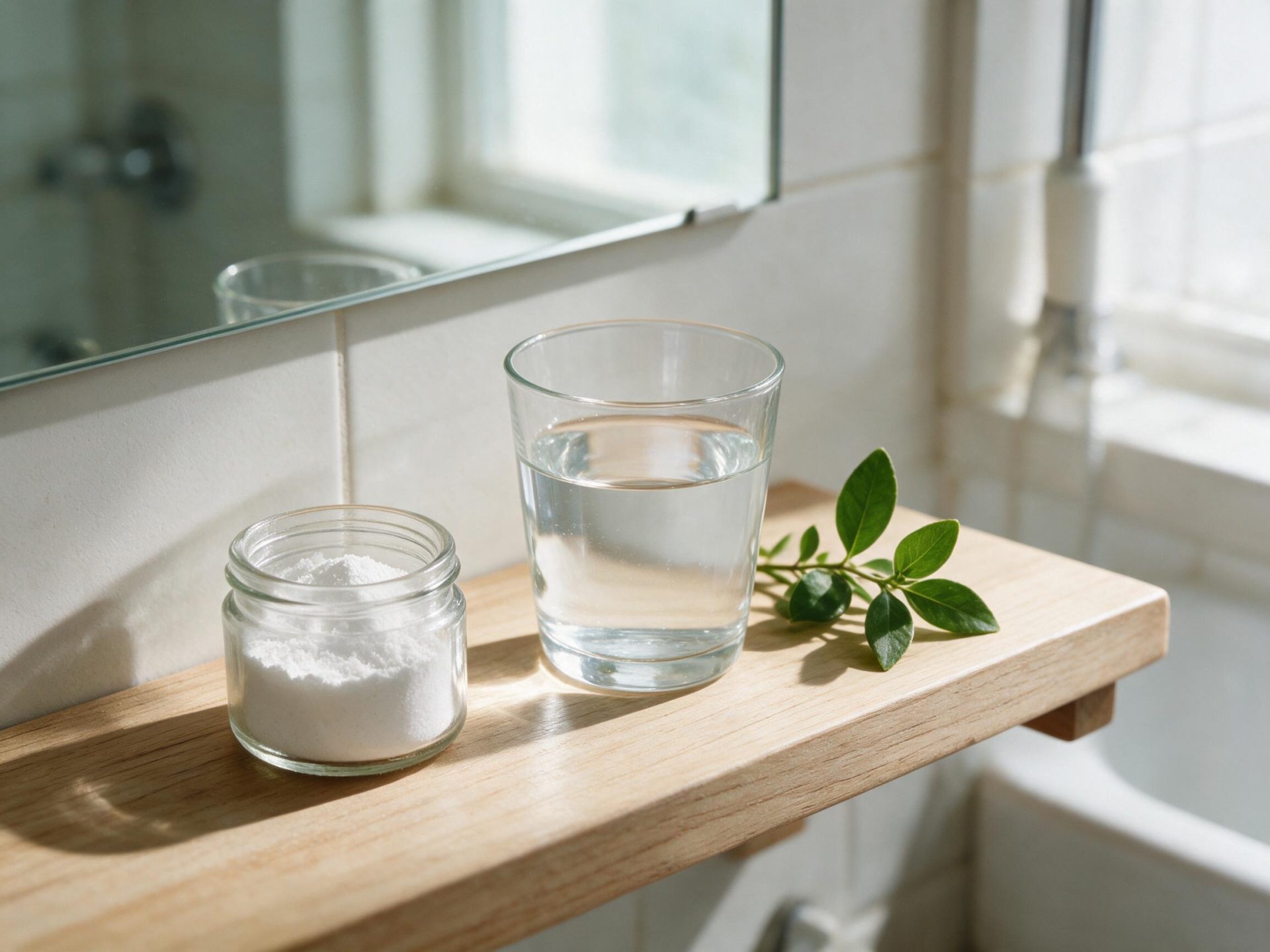
- Brush twice daily, softly. A soft brush with a small dip of HAP powder is gentle on tender gums while still cleaning thoroughly.
- After vomiting, rinse — don’t brush. Standard dental advice: rinse with water (a pinch of baking soda helps neutralise), then wait at least 30 minutes before brushing. Brushing acid-softened enamel immediately wears it faster. A later HAP session supports the recovery.
- Mind the gums. Bleeding gums during pregnancy are common but not something to ignore — keep flossing gently, and mention it at your next appointment.
- Keep your dental check-up. Routine dental care during pregnancy is recommended, not risky. Tell your dentist you’re pregnant and ask them — and your midwife or doctor — about any product you’re unsure of, this one included.
The same label-reading instinct applies beyond the bathroom sink cabinet — our guide to shampoo bars during pregnancy covers the hair-care side.
FAQ
Is hydroxyapatite toothpaste or powder safe while pregnant? No specific safety concerns have been identified: it’s the same food-grade calcium phosphate your teeth are made of, with no ingestion warnings. It has not been formally studied in pregnancy, so clear any routine change with your midwife, doctor, or dentist.
What if I swallow some while brushing? Trace amounts of hydroxyapatite are a negligible addition of a mineral already present in your diet and body. This is one of its practical advantages during a nausea-prone pregnancy.
Should I choose nano or 40 micron hydroxyapatite during pregnancy? Both are pure HAP and both remineralise. If you’d rather avoid nano-scale particles as a precaution — no specific risk shown, purely a preference — choose the 40 micron grade.
Can hydroxyapatite help with morning-sickness damage to teeth? Acid exposure softens enamel, and remineralising that early damage is hydroxyapatite’s core documented use. Rinse with water after vomiting, wait 30 minutes before brushing, and use HAP as part of your regular routine.
Is it safe while breastfeeding? The same reasoning applies: a food-grade mineral with no ingestion concerns and no specific studies. Ask your provider if you’re unsure.
Looking for a single-ingredient option for the next nine months? Browse our pure hydroxyapatite powders — 100% HAP, nano and 40 micron grades, EU-shipped.