



Last updated: October 12, 2026
Key takeaways
- Hydroxyapatite is generally considered safe to use with braces — it is non-bleaching, low-abrasion, and does not damage brackets, wires, or bonding adhesive.
- White-spot lesions around brackets are the most common side effect of fixed braces; they are early demineralisation — exactly what hydroxyapatite targets.
- Skip peroxide bleaching during fixed braces: enamel under the brackets is covered, so bleaching whitens unevenly. HAP works differently and carries far less two-tone risk.
- A HAP rinse is a practical add-on with braces, reaching around brackets and wires that brushing struggles with.
- Always loop in your orthodontist before changing your oral-care routine mid-treatment — they know your case.
Yes — hydroxyapatite is safe to use with braces, and orthodontic treatment is arguably when your enamel needs it most. Searches for hydroxyapatite braces usually come from two worries: will it harm the brackets (no — it is a gentle, non-reactive mineral), and can you whiten while wearing braces (carefully — and HAP is the sensible way to do it). The honest caveats are below, and your orthodontist should always have the final word on your routine.
Why enamel is at risk during braces

Fixed braces turn every tooth into a plaque trap. Brackets, wires, and ligatures create sheltered corners a toothbrush struggles to reach, and plaque that sits undisturbed next to a bracket produces acid against the same patch of enamel for months. The result is the classic orthodontic souvenir: white-spot lesions — chalky, demineralised patches in the shape of a halo around where the bracket sat. They are among the most common complications of fixed orthodontic treatment, and once the braces come off, those white outlines can be permanent reminders.
A white-spot lesion is not a cavity yet. It is early-stage demineralisation — mineral pulled out of the enamel surface while the protein framework is still intact. That matters, because early demineralisation is reversible, and it is precisely the stage hydroxyapatite remineralisation is best documented for.
Is hydroxyapatite safe with brackets and wires?
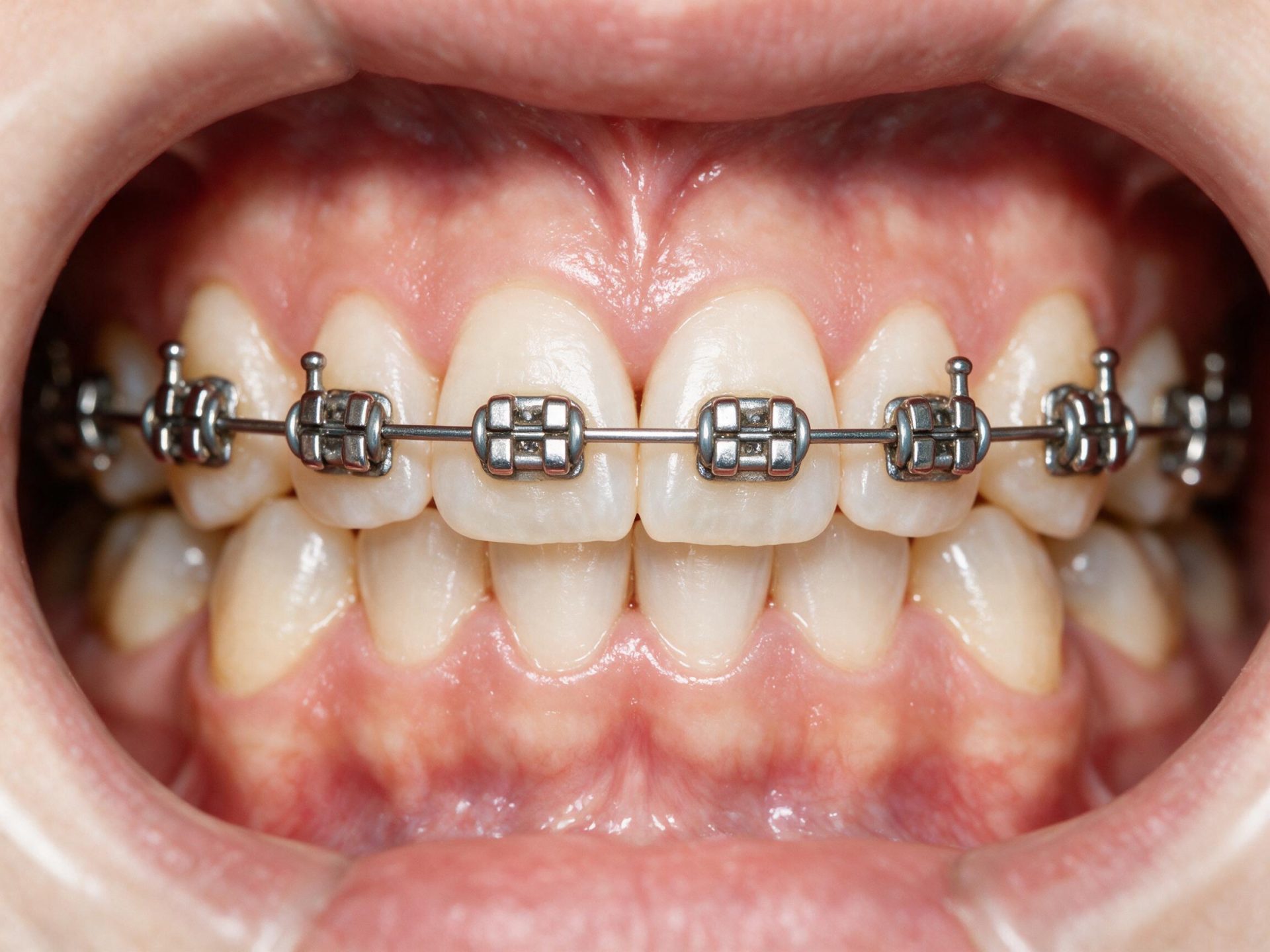
Hydroxyapatite is the same calcium phosphate mineral your enamel is made of. It is chemically inert toward stainless steel, ceramic brackets, nickel-titanium wires, and the composite adhesive that bonds brackets to teeth. It does not corrode metal, weaken bonding, or build up on appliances — it binds preferentially to demineralised enamel, which is exactly where you want it.
It is also gentle mechanically. Pure HAP powder is a mild polishing agent, far less abrasive than whitening pastes built on silica or charcoal grit — a real consideration when you’re brushing around appliances several times a day. If your teeth ache after adjustments, HAP’s tubule-occluding effect can also take the edge off sensitivity; that mechanism is covered in our sensitive-teeth guide. And because hydroxyapatite is safe if trace amounts are swallowed, it suits younger orthodontic patients too — see our guide to hydroxyapatite for kids.
Whitening with braces: what’s realistic
Here is the caveat every honest article has to include: with fixed braces, part of each front tooth is covered by a bonded bracket. Any whitening method only reaches the exposed enamel.
- Peroxide bleaching during fixed braces is a bad idea. It changes the intrinsic shade of the exposed enamel, so when brackets come off you risk visible rectangles of the old colour. Most dentists advise bleaching only after treatment.
- Hydroxyapatite is not a bleach. It brightens by filling surface defects and depositing white mineral — a surface-smoothing, stain-resisting effect rather than a colour change. The two-tone risk is accordingly much smaller, and the remineralising benefit applies exactly where braces threaten enamel most.
- Manage expectations. The dramatic whitening moment comes after debonding, ideally on enamel HAP has kept healthy and spot-free in the meantime. Keeping white-spot lesions from forming is the whitening strategy during braces.
A practical HAP routine for orthodontic treatment
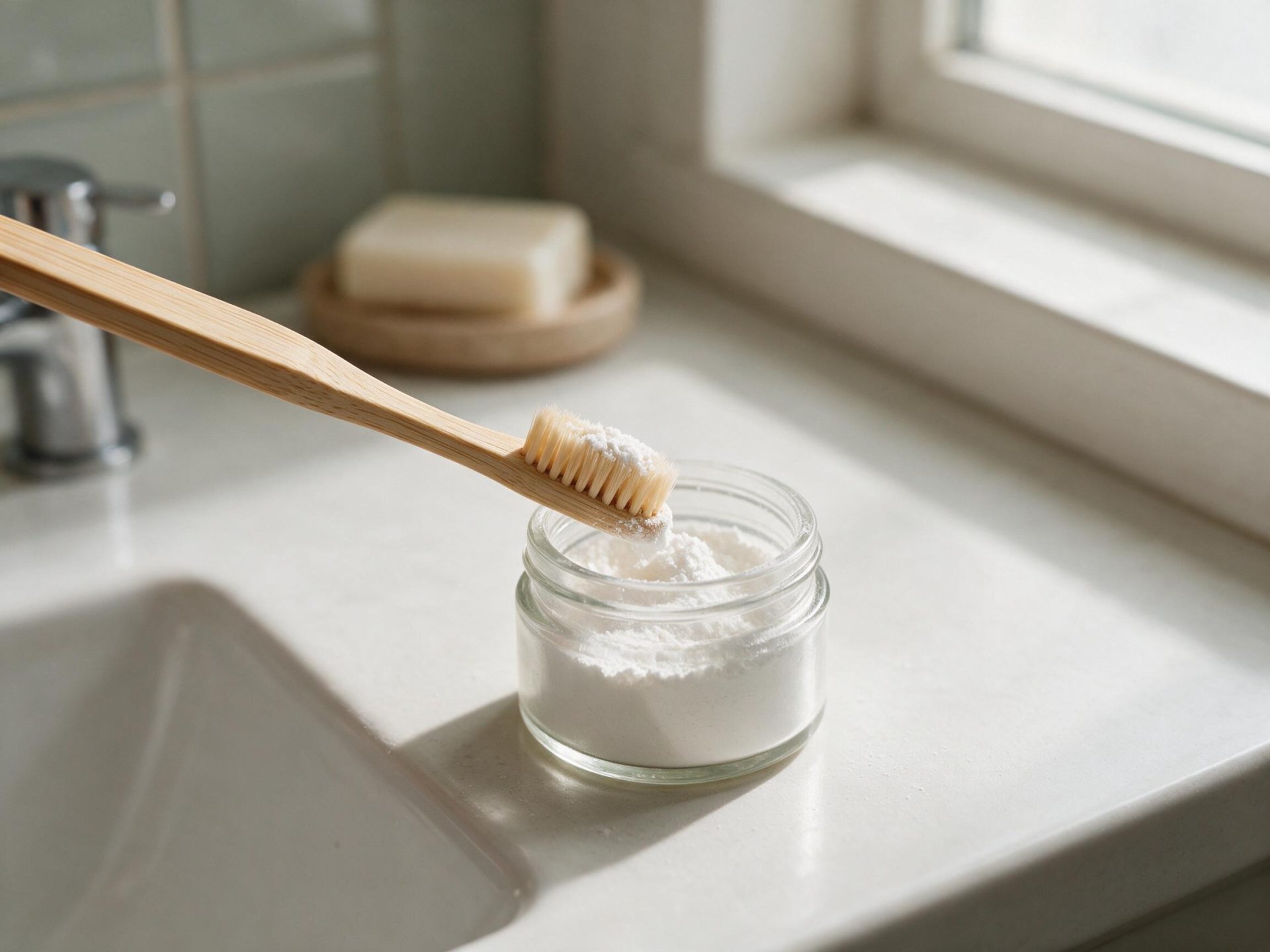
Natural Answer’s hydroxyapatite is a 100% pure powder — no fillers, no fluoride, no SLS — so you control the dose and can use it more than one way:
- Brush with it twice daily. Dampen a soft brush, dip it in a small amount of powder, and work carefully around each bracket — above and below the wire. Angle the bristles toward the gum line where plaque collects.
- Add a midday rinse. A teaspoon of powder shaken into water makes a simple remineralising rinse that reaches around appliances brushing misses — recipes in our DIY hydroxyapatite mouthwash guide. Swish after lunch when brushing isn’t practical.
- Time it after acids. After fizzy drinks or citrus, rinse with water, wait, then use HAP later — brushing straight after acid exposure works softened enamel too hard.
- Keep your ortho check-ups. Early demineralisation around brackets is easiest to reverse when caught early — ask your orthodontist to point out any starting white spots so you can focus your routine there.
Honest limits
- Hydroxyapatite supports enamel; it does not replace mechanical cleaning. With braces, thorough brushing and interdental cleaning do most of the work.
- Established, chalky white-spot lesions improve slowly and sometimes incompletely — prevention beats repair, so start early in treatment rather than in the final months.
- No home product fixes decay under or around a bracket. Pain, brown spots, or a loose bracket mean a call to your orthodontist, not a bigger scoop of powder.
- This article is general information, not orthodontic advice — your orthodontist knows your teeth, your appliances, and your risk profile. Ask them before changing your routine.
FAQ
Can hydroxyapatite damage braces brackets or wires? No. HAP is chemically inert toward stainless steel, ceramic, and bonding adhesives, and it is a mild polish mechanically. It binds to demineralised enamel, not to your appliances.
Can you whiten your teeth while wearing braces? Peroxide bleaching is best postponed until after debonding, because covered enamel won’t change shade and you risk two-tone teeth. Hydroxyapatite’s gentler surface-brightening and stain-resistance is the realistic option during treatment.
Does hydroxyapatite help white spots from braces? White-spot lesions are early demineralisation, which is the best-documented use case for HAP remineralisation. Early lesions respond best; established spots improve slowly and sometimes incompletely.
Is hydroxyapatite safe for teenagers with braces? Yes — hydroxyapatite is a food-grade mineral and safe if trace amounts are swallowed, which makes it well suited to younger patients. Check with your orthodontist about fitting it into the prescribed routine.
Protecting your enamel through treatment? Browse our pure hydroxyapatite powder — 100% HAP, you control the dose, EU-shipped.