


Last updated: October 13, 2026
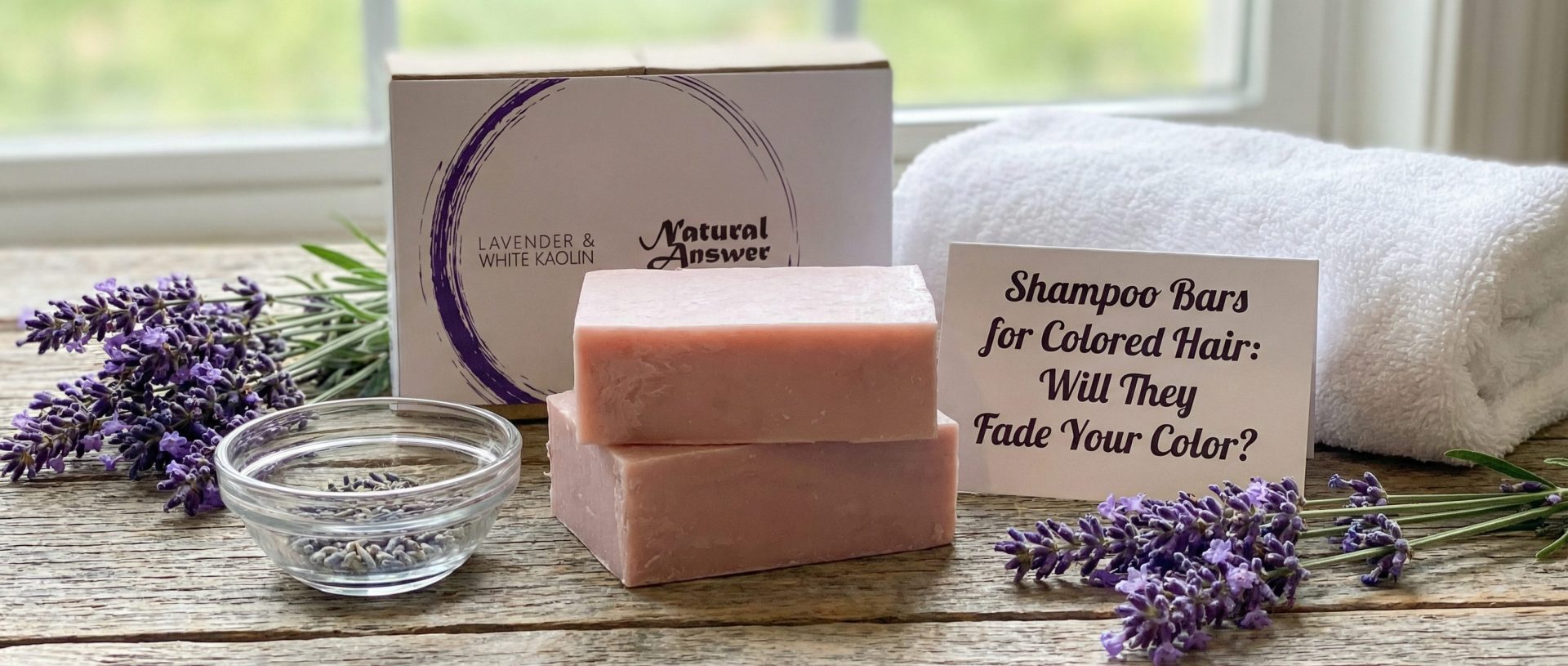
Shampoo Bars for Colored Hair: Will They Fade Your Color?
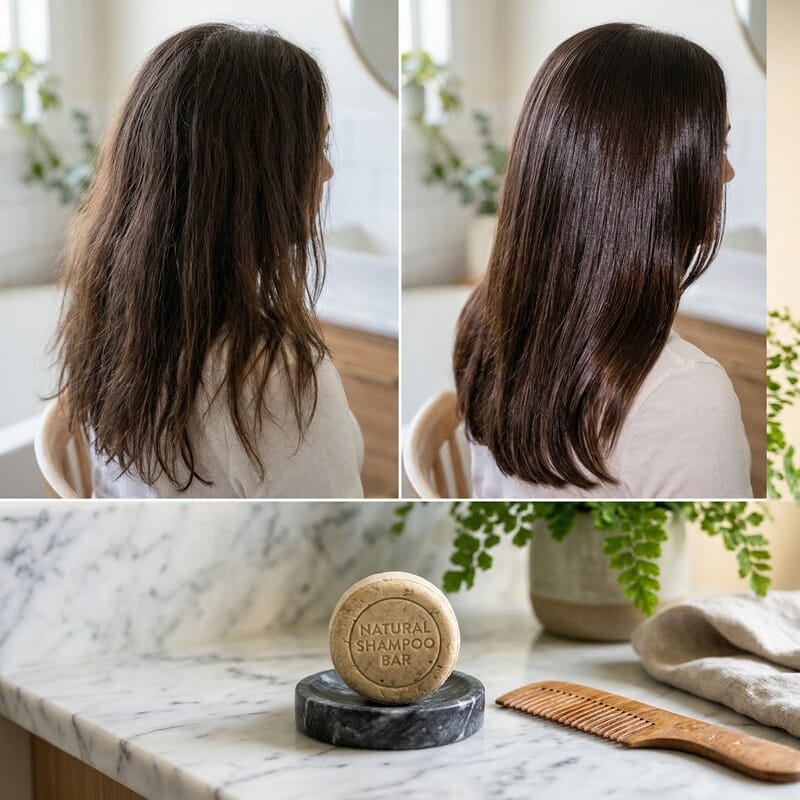
If you’ve invested in hair color, you’re right to wonder about shampoo bars for colored hair. Will they strip your color faster? Are they safe for highlights? Let’s separate fact from fiction.
The Truth About Color Fading
All shampoos—liquid or solid—can affect hair color. The question isn’t bar vs. bottle, but ingredients. Shampoo bars for colored hair can actually be gentler than many liquid alternatives because they often skip the harsh sulfates that strip color.
Understanding Color Molecule Science
Hair dye works by opening your hair cuticle (the outer protective layer) and depositing color molecules inside. Permanent dyes penetrate deepest, semi-permanent sit closer to the surface. Every wash gradually releases some color molecules—that’s unavoidable.
However, harsh cleansers accelerate this process dramatically. Sulfates don’t just clean dirt and oil—they also swell the cuticle open, forcing color out faster. Quality shampoo bars use gentler cleansing agents that remove buildup without aggressive cuticle disruption.
Why Sulfate-Free Matters

Sulfates are aggressive cleansing agents that open the hair cuticle, allowing color molecules to escape. Many conventional liquid shampoos contain sodium lauryl sulfate (SLS) or sodium laureth sulfate (SLES). Sulfate-free shampoo bars keep the cuticle smoother, locking color in longer.
Best Ingredients for Colored Hair
Look for shampoo bars for colored hair that contain:
- Gentle surfactants – like saponified plant oils
- Oils and butters – to seal the cuticle
- Vitamin E – antioxidant protection
- Natural proteins – strengthen color-treated strands
Ingredients to Avoid

Steer clear of bars containing:
- SLS or SLES – strips color aggressively
- High pH soaps without ACV rinse – cold-process soap (pH 9–10) can swell the cuticle without the ACV rinse step; pair Natural Answer bars with your own ACV rinse to restore pH after washing
- Clarifying agents – meant for buildup removal, too harsh for colored hair
- Lemon or citrus extracts in high concentrations – can lighten color over time
Color-Protecting Star Ingredients
Argan oil: Seals the cuticle and adds shine without weighing hair down. Particularly good for preventing blonde tones from turning brassy.
Shea butter: Moisturizes chemically-processed hair while forming a protective barrier that helps lock color in.
Quinoa protein: Strengthens hair damaged by bleaching and dyeing. Forms a protective film around each strand.
Pomegranate extract: Natural antioxidant that prevents UV damage to color molecules. Especially beneficial for outdoor enthusiasts.
Tips for Preserving Your Color
Beyond choosing the right shampoo bar, these habits help maintain vibrant color:
- Wash with lukewarm or cool water—hot water opens the cuticle
- Wash less frequently—every 2-3 days is ideal (bonus: your bar will last longer)
- Always follow with conditioner to seal the cuticle
- Avoid direct sun exposure on wet hair
- Store your bar properly to prevent waste and keep it fresh
The Weekly Color-Maintenance Routine
Day 1 (wash day): Use your shampoo bar with lukewarm water. Lather gently—don’t scrub aggressively. Follow with a moisturizing conditioner.
Days 2-3: Dry shampoo or just rinse with water. Your scalp produces natural oils that protect color.
Day 4 (second wash): Repeat the gentle shampoo routine.
Weekly treatment: Once per week, apply a deep conditioning mask or hair oil treatment. This replenishes moisture lost during coloring and helps seal color in.
The pH Factor
Hair’s natural pH is slightly acidic (4.5-5.5). Syndet shampoo bars are formulated at this pH level, which helps keep the cuticle closed and color locked in. Cold-process soap bars (pH 9–10), like Natural Answer, work effectively when followed by a diluted ACV rinse, which closes the cuticle and seals in color.
Testing pH at Home
Buy pH test strips (available at pharmacies for €5-10). Wet your shampoo bar, rub it on the strip, and compare to the color chart. For syndet bars, aim for pH 4.5–6.5. For cold-process soap bars (pH 9–10), pair with a diluted ACV rinse after washing — this closes the cuticle and protects color just as effectively.
Special Considerations
Highlights and Balayage
Highlighted hair is often more porous and prone to brassiness. Look for shampoo bars without harsh detergents and consider a purple toning bar occasionally to combat yellow tones. Alternate your regular bar with a purple bar every 3rd or 4th wash to maintain cool tones.
Red and Fashion Colors
Vibrant colors like red, pink, or purple fade fastest. Wash as infrequently as possible and use the gentlest bar you can find. Consider washing with cool water only—no shampoo—between color washes to extend vibrancy by an extra week or two.
Bleached or Platinum Hair
Bleached hair is the most fragile and porous. You need maximum moisture and gentle cleansing. Look for bars with high butter or oil content (shea, cocoa, argan). Some platinum blondes benefit from using a bar every other wash, with just water rinses in between.
Dark Colors (Black, Dark Brown)
Dark colors show fade less obviously but still fade. The main concern is color turning coppery or reddish. Choose bars without clarifying ingredients and wash in cool water to keep dark tones deep and rich.
Hard Water and Colored Hair
Hard water deposits minerals on hair, making it feel coarse and causing color to appear dull. If you have hard water, do an apple cider vinegar rinse (2 tablespoons in 1 cup water) after shampooing once per week. This removes mineral buildup and helps color look vibrant.
You might also notice color fading faster with hard water. Consider installing a shower filter—it protects both your color and your shampoo bar performance.
Transitioning from Liquid to Bars with Colored Hair
Don’t panic if your first week feels different. Colored hair may take 2-4 washes to adjust because silicones and synthetic ingredients from your old shampoo need to wash out. Once they do, most people find bars make their color last longer than liquid ever did.
During transition, use an ACV rinse after each wash to speed up residue removal. For complete transition guidance, check our switching guide.
How to Choose the Right Bar
Match your bar to your color type:
- Blonde/highlighted: Gentle, pH-balanced, ideally with chamomile or purple pigments
- Red/auburn: Moisturizing bars with minimal cleansing power; look for shea or argan
- Dark colors: Balanced bars; avoid clarifying formulas
- Fashion colors (pink, blue, purple): Ultra-gentle, sulfate-free, wash only when necessary
Check out the Natural Answer collection for color-safe options.
FAQ: Shampoo Bars and Colored Hair
Will switching to a shampoo bar change my color?
Not if you choose a sulfate-free bar. Your color might actually last longer because quality bars are gentler than most liquid shampoos.
Can I use a shampoo bar right after coloring?
Wait 48-72 hours after coloring before any wash. This allows color to fully set. When you do wash, use cool water and minimal lathering.
How often should I wash colored hair with a shampoo bar?
Every 2-4 days depending on your hair type and lifestyle. Less frequent washing extends color life significantly.
Will a shampoo bar work on keratin-treated hair?
Yes, but choose a sulfate-free bar. Sulfates strip keratin treatments faster. Many people with keratin treatments prefer shampoo bars for this reason.
Do I need a special bar for gray coverage?
Gray coverage (permanent dye) doesn’t require special bars—just avoid sulfates. For natural gray that you want to enhance or tone, look for purple-tinted bars.