


Last updated: October 13, 2026
Written by the Natural Answer team · Last updated September 9, 2026
Introduction
Dealing with oily hair can feel like an endless cycle—wash in the morning, greasy by afternoon. If you’ve considered switching to shampoo bars but worry they might make oiliness worse, you’re not alone. Many people assume solid shampoos can’t handle excess sebum production the way liquid formulas do.
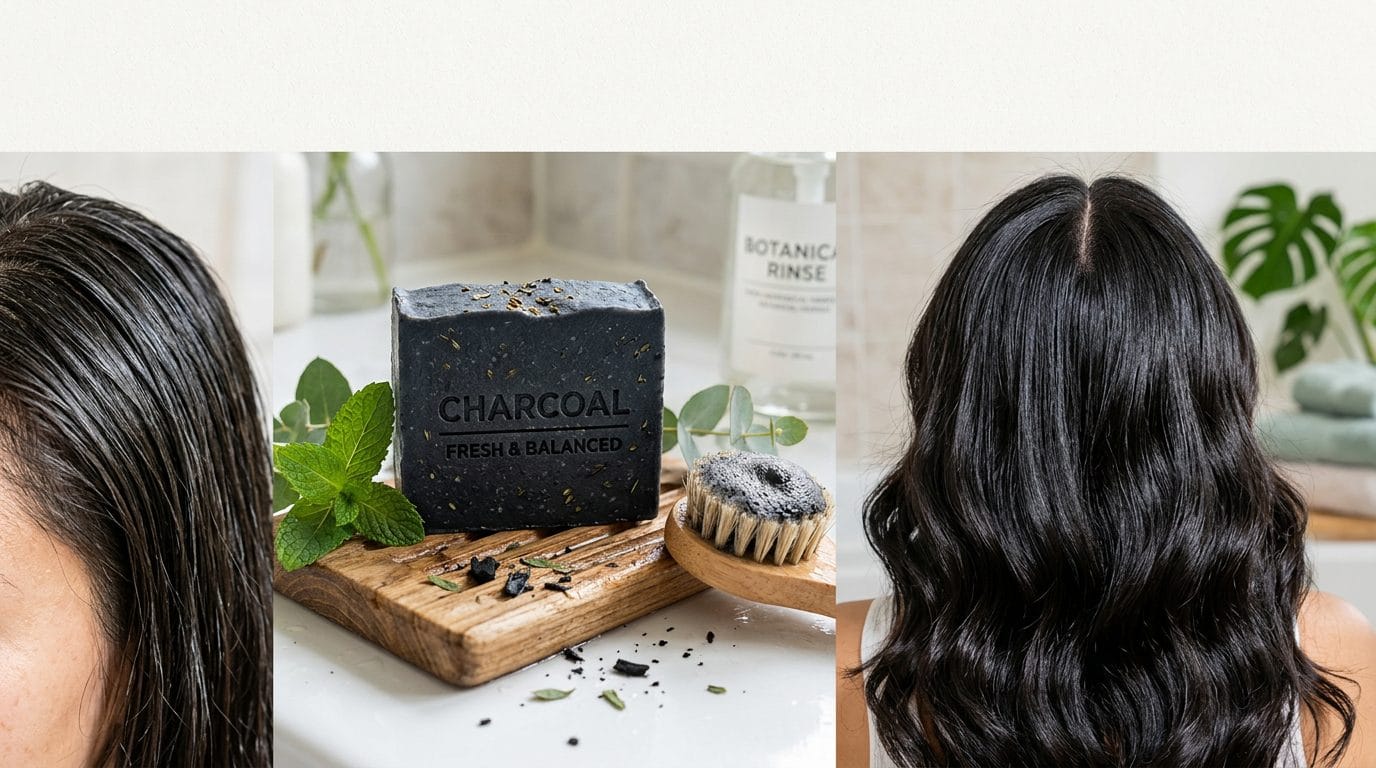
The truth? The right shampoo bar can actually control oil better than traditional liquid shampoos—without the harsh sulfates and synthetic additives that trigger rebound oil production.
In this guide, you’ll learn exactly what to look for in a shampoo bar for oily hair, which ingredients actually work, and how to use solid shampoo to keep your scalp balanced and your hair fresh for days.
Why Does My Hair Get Greasy So Fast?
Hair gets greasy fast when harsh shampoos strip natural oil, triggering the scalp to overproduce sebum. Sulfates are the main culprit. Switching to a gentle shampoo bar (SCI-based or cold-process soap plus an ACV rinse) breaks the stripping cycle — most users see oil production normalize within 4–6 weeks.
The Sebum Cycle
Your scalp produces sebum (natural oil) to protect hair and maintain moisture balance. When you strip away too much oil with harsh shampoos, your scalp compensates by producing *even more* sebum. This creates a vicious cycle:
1. Harsh shampoo strips all natural oils
2. Scalp overcompensates by producing excess sebum
3. Hair looks greasy within hours
4. You wash again with the same harsh shampoo
5. Cycle repeats, getting worse over time
| Trigger | Effect on your scalp |
|---|---|
| Harsh sulfate shampoo | Strips all natural oil, scalp panics |
| Stripped scalp | Sebaceous glands overproduce to compensate |
| Excess sebum | Hair looks greasy within hours |
| Washing again, same shampoo | Re-strips the scalp, cycle restarts |
| Gentle bar + patience | Production normalizes in 4–6 weeks, washes stretch out |
Common Culprits
Sulfates (SLS/SLES): These aggressive cleansers strip everything—including the protective oils your scalp needs. Your sebaceous glands go into overdrive to replace what was lost.
Silicones: Coat the hair shaft and scalp, preventing natural oils from distributing properly. Oil gets trapped at the roots while ends stay dry.
Heavy conditioning ingredients: Products designed for dry hair can weigh down fine, oily hair and clog follicles.
Hard water minerals: Calcium and magnesium bind to hair, creating buildup that makes strands look limp and greasy even when clean.
What Makes a Shampoo Bar Good for Oily Hair?
The best shampoo bars for oil control balance three goals:
1. Cleanse effectively without stripping
2. Regulate sebum production over time
3. Prevent buildup from hard water and product residue
Key Ingredients to Look For
1. Gentle Surfactants (Not Harsh Sulfates)
Look for bars made with:
- Sodium Cocoyl Isethionate (SCI): Gentle synthetic derived from coconut, cleanses without stripping
- Sodium Coco-Sulfate: Milder than SLS/SLES, still effective for oily scalps
- Saponified oils (true soap bars): Natural cleansing from olive, coconut, or castor oils
Avoid: Sodium Lauryl Sulfate (SLS) and Sodium Laureth Sulfate (SLES)—too harsh for long-term scalp health.
2. Clarifying Ingredients
- Activated charcoal: Absorbs excess oil and impurities without drying
- Clay (kaolin, bentonite): Draws out sebum and detoxifies the scalp
- Apple cider vinegar powder: Balances pH and removes residue
- Tea tree oil: Antibacterial properties help with scalp issues that can trigger excess oil
3. Hard Water Defense
If you have hard water (most of Europe, parts of US/Canada), mineral buildup makes hair look greasy faster. Look for:
- Citric acid: chelates (binds to) calcium and magnesium so they rinse away instead of depositing on hair
- Apple cider vinegar rinse: dissolves mineral deposits after washing — 1 tbsp in 250 ml water, pour over hair, rinse after 30 seconds
- Syndet bars (synthetic detergent-based, e.g. SCI): don’t react with hard water minerals at all, so no scum forms
4. Scalp-Balancing Botanicals
- Rosemary oil: Regulates sebum production
- Peppermint oil: Stimulates circulation, reduces oiliness
- Nettle extract: Natural astringent, balances scalp pH
- Lemon or grapefruit essential oils: Cut through grease naturally
What to AVOID
❌ Heavy butters: Shea butter, cocoa butter in high concentrations can weigh down fine, oily hair
❌ Coconut oil as primary ingredient: Can be too rich for oily scalps
❌ Silicones: (Check ingredient lists—some bars contain silicone-like additives)
❌ Cold-process soap bars used WITHOUT an acidic rinse in hard water: the soap reacts with minerals and scum builds up. The fix is simple — 1 tbsp apple cider vinegar in 250 ml water, poured over hair after washing, rinsed after 30 seconds. With that rinse, cold-process soap removes mineral deposits effectively.
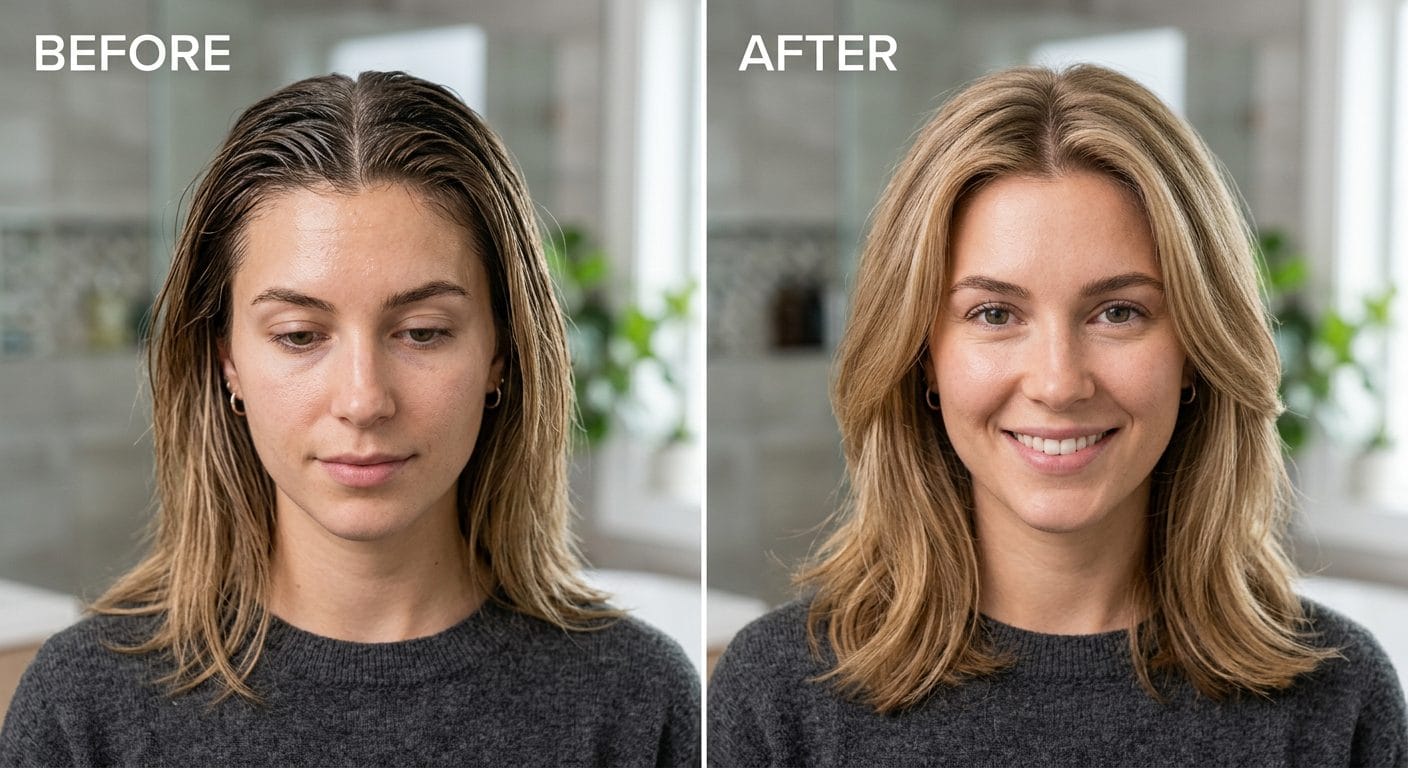
Types of Shampoo Bars: Which Works Best for Oily Hair?
Not all shampoo bars are created equal. Here’s the breakdown:
1. Syndet Bars (Synthetic Detergent-Based)
Best for: Hard water areas, consistent oil control, gentle daily use
How they work: Use mild synthetic surfactants like SCI instead of saponified oils. Don’t react with hard water minerals.
Pros:
- No soap scum or waxy buildup in hard water
- pH-balanced (5-7, close to hair’s natural pH)
- Predictable, consistent results
- Work well with all water types
Cons:
- Not 100% “natural” (though often more eco-friendly than liquid shampoo)
- Slightly more expensive than traditional soap bars
Best for oily hair? ✅ Yes—especially if you have hard water. The most reliable option for controlling oil without buildup.
2. Traditional Soap Bars (Saponified Oils)
Best for: Soft water areas, “all-natural” preference
How they work: Made from saponified plant oils (olive, coconut, castor) using sodium hydroxide (lye).
Pros:
- 100% natural ingredients
- Biodegradable
- Excellent cleansing power
- Often very affordable
Cons:
- React with hard water to form soap scum (waxy, greasy residue)
- Higher pH (~9-10) can temporarily open hair cuticles
- May require apple cider vinegar rinse to restore pH
- Adjustment period (hair may feel greasy for 2-4 weeks)
Best for oily hair? ✅ Yes, with the ACV rinse as part of the routine. The thorough cleanse suits oily scalps well; in hard water the acidic rinse keeps scum away.
3. Hybrid Bars
Some bars combine soap and syndet surfactants for a middle ground.
Clarifying Bar vs Clay Bar vs Plain SCI Bar for Oily Hair — Which Is Fastest?
| Bar type | Best for | Speed of oil removal | Downside |
|---|---|---|---|
| Charcoal (clarifying) bar | Extra-oily scalp, heavy buildup | Fastest — charcoal absorbs oil on contact | Can be drying if used daily |
| Clay bar (kaolin, bentonite) | Mild oiliness + scalp detox | Moderate — draws sebum out gradually | Less lather than other types |
| Plain SCI syndet bar | Daily use, color-treated hair | Steady — gentle cleanse every wash | No extra oil-absorbing boost |
| Cold-process soap bar + ACV rinse | Whole-ingredient routine, hard water | Thorough — soap cleans deeply, rinse clears residue | Needs the rinse step in hard water |
How to Use Shampoo Bars for Oily Hair (Technique Matters!)
Even the best shampoo bar won’t work if you’re using it wrong. Follow this method:
Step-by-Step Technique
1. Wet hair thoroughly (60 seconds)
Fully saturated hair lathers better and distributes product evenly. Don’t rush this step.
2. Rub the bar directly on your scalp
Work in sections: crown, sides, back. Focus on the roots and scalp where oil accumulates. You don’t need to soap the length—runoff while rinsing will clean it.
3. Put the bar down and lather
Massage your scalp with your fingertips for 60-90 seconds. This activates the cleansing ingredients and stimulates circulation.
4. Rinse completely (2+ minutes)
This is critical for oily hair. Any residue left behind will make hair look greasy faster. Rinse until water runs completely clear and hair feels “squeaky.”
5. Condition only mid-lengths to ends
Skip conditioning the scalp and roots entirely. Oily hair needs moisture on the ends, not the scalp.
6. Optional: ACV rinse (hard water areas)
Mix 1 tablespoon apple cider vinegar in 1 cup water. Pour over hair after shampooing, then rinse. Removes hard water buildup and balances pH.
Common Mistakes That Make Oily Hair Worse
❌ Not rinsing long enough: Residue = grease
❌ Conditioning the scalp: Unnecessary for oily hair types
❌ Using too much product: Shampoo bars are concentrated—a little goes a long way
❌ Washing too frequently: Can trigger rebound oil production (see transition period below)
The Transition Period: What to Expect
When switching from liquid shampoo to bars, your scalp needs time to adjust. Here’s what happens:
Week 1-2: “Why is my hair so greasy?!”
Your scalp has been overproducing oil to compensate for harsh sulfates. It takes time to recalibrate.
What to do:
- Wash every 2-3 days (resist daily washing)
- Use dry shampoo between washes if needed
- Ensure you’re rinsing thoroughly
- Add an ACV rinse if you have hard water
Week 3-4: Balance Returns
Sebum production normalizes. Hair stays fresh longer.
What to expect:
- Oil production decreases
- Hair feels lighter, less greasy
- Can go 3-4 days between washes
- Natural shine (not grease) returns
Month 2+: Optimal Results
Your scalp has fully adjusted. Many people find they need to wash *less* frequently than with liquid shampoo.
Not everyone has a transition period. Syndet bars (especially in hard water areas) often work immediately without adjustment.
How Long Until a Shampoo Bar Reduces Oiliness? (The Regulation Timeline)
The typical pattern — results vary by scalp, water and previous shampoo:
- Week 1–2: the scalp may produce extra oil as it adjusts — it is still calibrated to a stripping shampoo.
- Week 3–4: sebum production normalises; hair stays fresh noticeably longer between washes.
- Week 6+: most users settle at 2–3 washes per week instead of daily.
Top Shampoo Bar Features for Oily Hair
When shopping, prioritize bars that:
✅ Specify “for oily hair” or “oil control”
✅ List ingredients clearly (avoid vague “essential oils” or “natural extracts”)
✅ Contain charcoal, clay, or citrus oils (oil-absorbing ingredients)
✅ Fit your water: syndet for zero-step hard water use, or cold-process soap paired with an ACV rinse
✅ Are pH-appropriate — syndet bars pH 5-7 or cold-process soap pH 9-10 (with ACV rinse)
✅ Are palm oil-free (ethical + environmental reasons)
✅ Come unwrapped or in recyclable packaging (true zero waste)
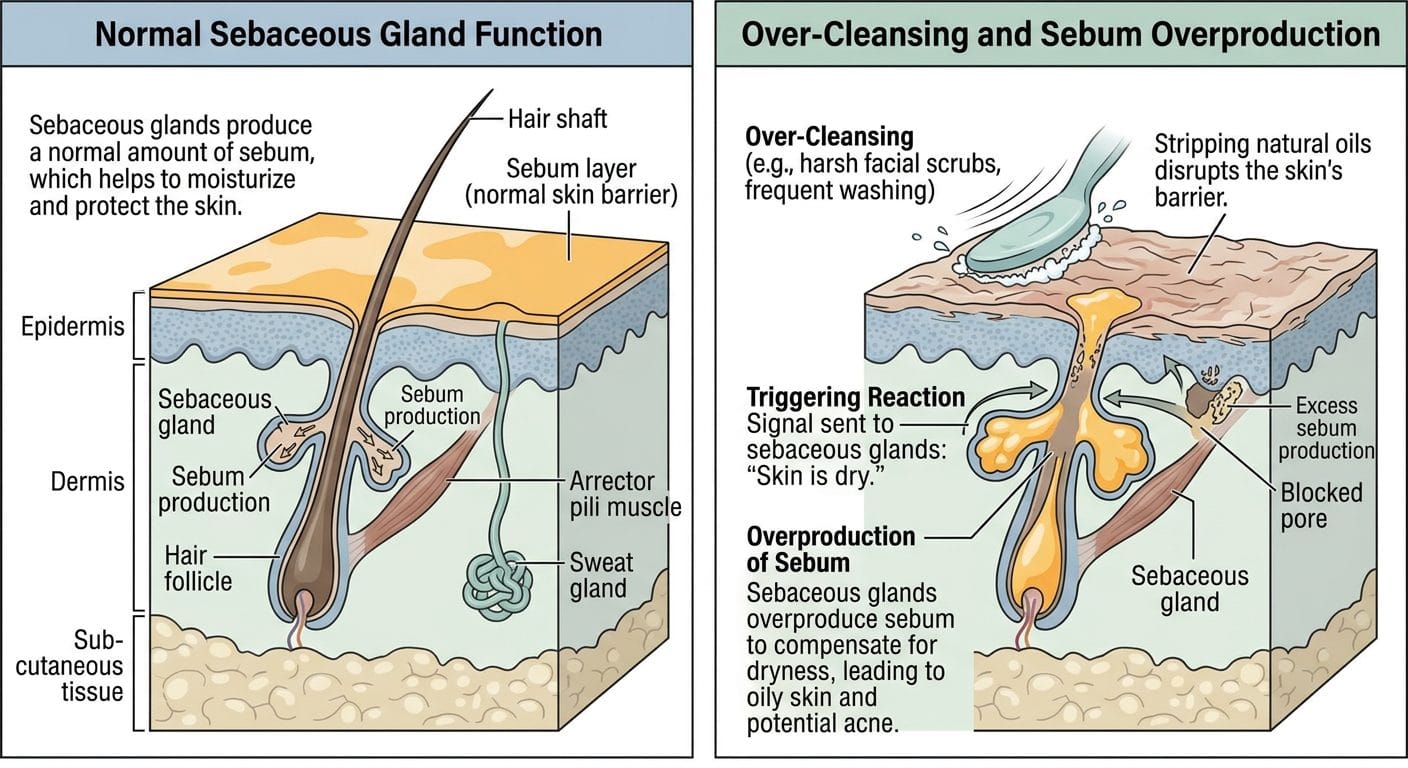
Hard Water vs. Soft Water: Why It Matters for Oily Hair
Your water type dramatically affects how shampoo bars perform.
Hard Water (Most of Europe, US Midwest/Southwest)
Problem: Calcium and magnesium minerals bind to hair, creating dull, sticky buildup that looks like grease.
Solution:
- Choose a syndet bar (won’t react with minerals), or
- Pair a cold-process soap bar with an ACV rinse after every hard-water wash
- Look for citric acid in ingredient lists — it chelates minerals
Avoid: using a soap bar in hard water without the acidic rinse — that’s when soap scum makes hair feel waxy and greasy.
Soft Water (Pacific Northwest, parts of UK)
Advantage: No mineral interference—both soap bars and syndet bars work well.
Best choice: You have flexibility! Soap bars are often more affordable and work great in soft water, no rinse needed.
Additional Tips for Managing Oily Hair
Beyond shampoo choice, these habits help control excess oil:
1. Wash Less Frequently (Yes, Really)
Over-washing trains your scalp to produce more oil. Stretch time between washes gradually:
- Week 1: Wash every other day
- Week 2: Every 2.5 days
- Week 3+: Every 3-4 days
Use dry shampoo strategically during the transition.
2. Don’t Touch Your Hair
Hands transfer oil and dirt to hair. Avoid running fingers through hair or playing with strands.
3. Rinse with Cool Water
Hot water stimulates sebaceous glands. Finish with a cool rinse to close cuticles and reduce oil production.
4. Clean Your Hairbrush Weekly
Brushes harbor oil, product buildup, and dirt. Wash with shampoo or diluted ACV weekly.
5. Use a Silk or Satin Pillowcase
Cotton absorbs your hair’s natural oils overnight, triggering excess production to compensate. Silk/satin are gentler.
6. Watch Your Diet
High-glycemic foods and dairy can increase sebum production. Consider reducing sugar and processed foods if oil is severe.
What About Natural Answer Shampoo Bars?
Natural Answer shampoo bars are cold-process soap made from six organic plant oils — a good fit for oily hair when paired with the ACV rinse routine.
Why They Work for Oily Hair
Thorough, sulfate-free cleanse: True soap lifts sebum effectively without SLS or SLES, so the scalp isn’t triggered into rebound oil production.
Gentle but effective: Cold-process soap formula cleanses without synthetic surfactants or SCI, so your scalp doesn’t overcompensate.
Palm oil-free: Ethical sourcing without compromising performance.
Cold-process soap (pH 9–10): Pair with an ACV rinse after washing — in hard water (common in the Netherlands, Belgium, Germany) that rinse is what keeps mineral residue out of your hair and restores scalp pH.
Recommended for Oily Hair
- Activated Charcoal & Mint: charcoal absorbs excess oil and impurities; mint stimulates circulation. Best for very oily scalps.
- Activated Charcoal, Tea Tree & Rosemary: combines oil absorption with tea tree’s antibacterial action — useful when oiliness comes with scalp issues.
- Lavender & White Kaolin: kaolin clay draws out sebum gently — suited to mild oiliness and sensitive scalps.
All bars are vegan, cruelty-free and plastic-free. In hard water, use them with the ACV rinse.
Frequently Asked Questions
Q: How often should I wash oily hair with a shampoo bar?
A: Start every 2-3 days during the transition period. After 3-4 weeks, many people with oily hair can stretch to every 3-4 days as sebum production normalizes.
Q: Can shampoo bars make oily hair worse?
A: Only if the routine is wrong. In the first 1–2 weeks the scalp may briefly produce extra oil while it recalibrates — that passes. The other cause is a soap bar in hard water without an ACV rinse, which creates buildup that looks greasy. Syndet bars work in all water types with no extra step.
Q: Do I need conditioner if I have oily hair?
A: Apply conditioner only to mid-lengths and ends, never the scalp or roots. Oily scalps don’t need additional moisture.
Q: How long does a shampoo bar last for oily hair?
A: 50-80 washes (2-4 months) depending on hair length and washing frequency.
Q: Why does my hair feel waxy after using a shampoo bar?
A: Two main causes: (1) hard water reacting with a soap-based bar — fix it with an ACV rinse after washing, or (2) not rinsing thoroughly — rinse for at least 2 minutes.
Q: Can I use a shampoo bar every day if my hair is very oily?
A: Not recommended. Daily washing (even with gentle bars) can trigger rebound oil production. Use dry shampoo between washes instead.
Q: Does clay in a shampoo bar really absorb oil?
A: Yes. Kaolin and bentonite clays are porous minerals that bind sebum and impurities on contact, then rinse away with them. The effect is gentler than charcoal — clay suits mild oiliness and sensitive scalps, while activated charcoal handles heavier oil and buildup.
Q: Is the ACV rinse necessary for oily hair?
A: With a cold-process soap bar in hard water, yes — the rinse dissolves the mineral-soap film that otherwise reads as grease. In soft water, or with a syndet bar, it’s optional. Many oily-scalp users keep it anyway: the mild acid flattens the cuticle and adds shine.
Q: Can I use a shampoo bar on an oily scalp with dry ends?
A: Yes — this combination is common. Lather only the scalp and roots, let the runoff clean the lengths, and condition strictly from mid-length to ends. The scalp gets a proper cleanse while the ends keep their moisture.
Conclusion: Finding Your Perfect Oily Hair Shampoo Bar
The best shampoo bar for oily hair depends on your water type, hair texture, and what caused the excess oil in the first place.
Quick Decision Guide:
- Hard water + oily hair: syndet bar, or a cold-process soap bar (like Natural Answer) paired with an ACV rinse
- Soft water + oily hair: soap bar or syndet—both work well
- Very oily scalp: Look for charcoal, clay, or tea tree ingredients
- Fine, oily hair: Avoid heavy butters; choose lightweight formulas
- Transition from liquid shampoo: Expect 2-4 weeks adjustment; stick with it
Remember: Harsh cleansing → rebound oil production. The goal isn’t to strip every drop of oil, but to gently cleanse while allowing your scalp to rebalance naturally.
Once you find the right bar and technique, many people discover their hair actually becomes *less* oily over time—and they need to wash far less frequently than with liquid shampoo.
Ready to break the grease cycle? Pick a bar that fits your water, follow proper technique (ACV rinse included if it’s soap in hard water), and give your scalp 3-4 weeks to adjust. Your future self (with fresh, balanced hair for days) will thank you.