


Last updated: October 10, 2026

Split ends are the enemy of long, healthy hair. Once they start, they travel up the hair shaft—forcing you to cut off length you’ve been growing for months (or years).
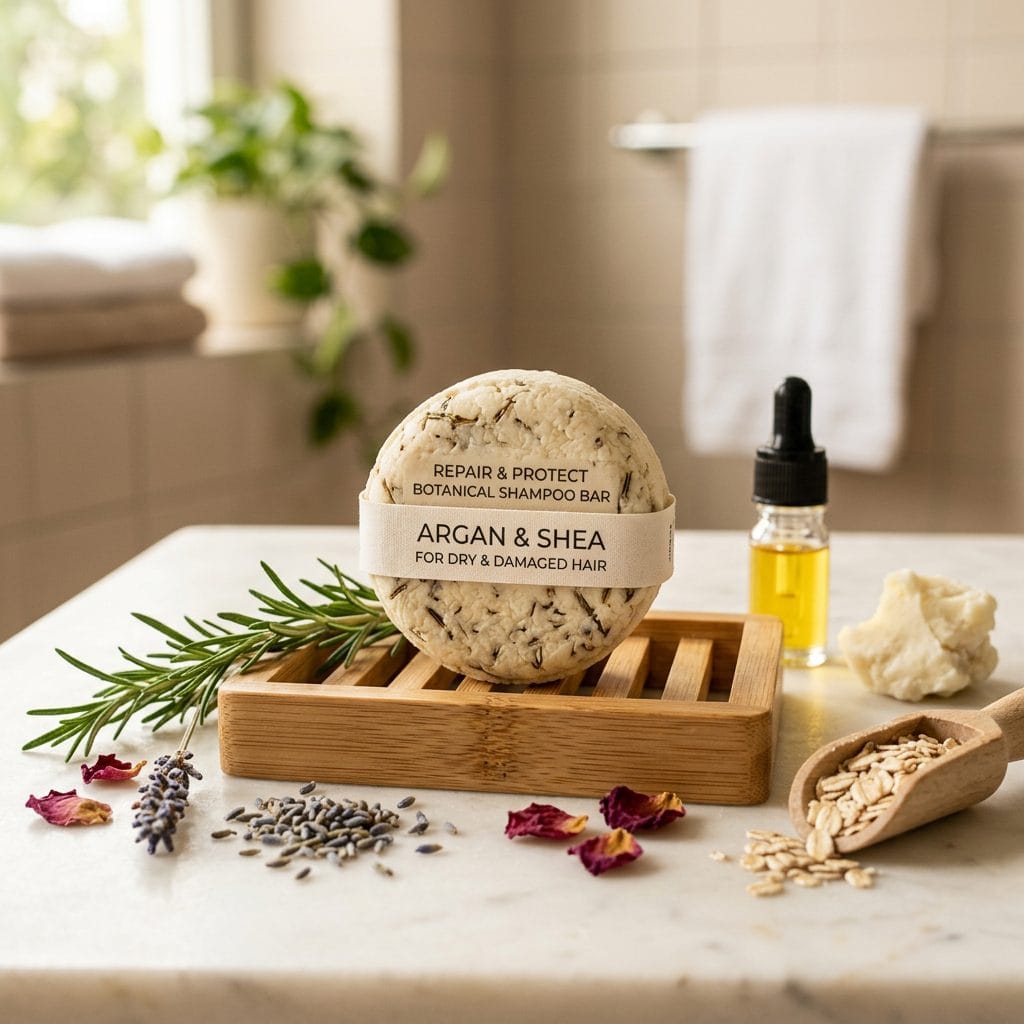
If you’re using (or considering) shampoo bars, you might wonder: Can shampoo bars prevent split ends? Or will they make them worse?
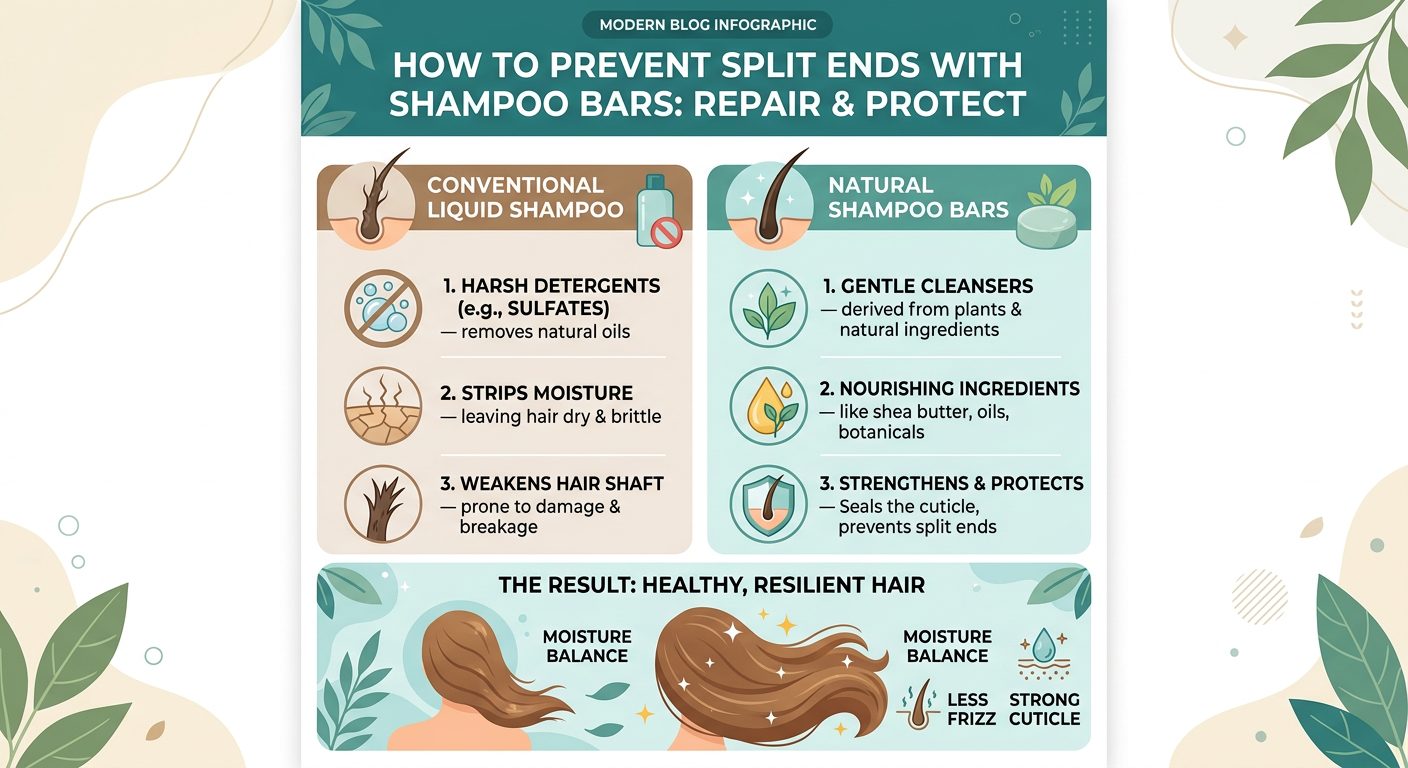
The truth: Shampoo bars can’t “heal” split ends (nothing can—more on that below), but the right formula can prevent new ones from forming by strengthening hair, sealing the cuticle, and reducing breakage.
This guide covers:
- What causes split ends (and why your shampoo matters)
- Which shampoo bar ingredients prevent damage
- How to use bars without causing breakage
- The truth about “repairing” split ends
What Are Split Ends? (And Why They Happen)
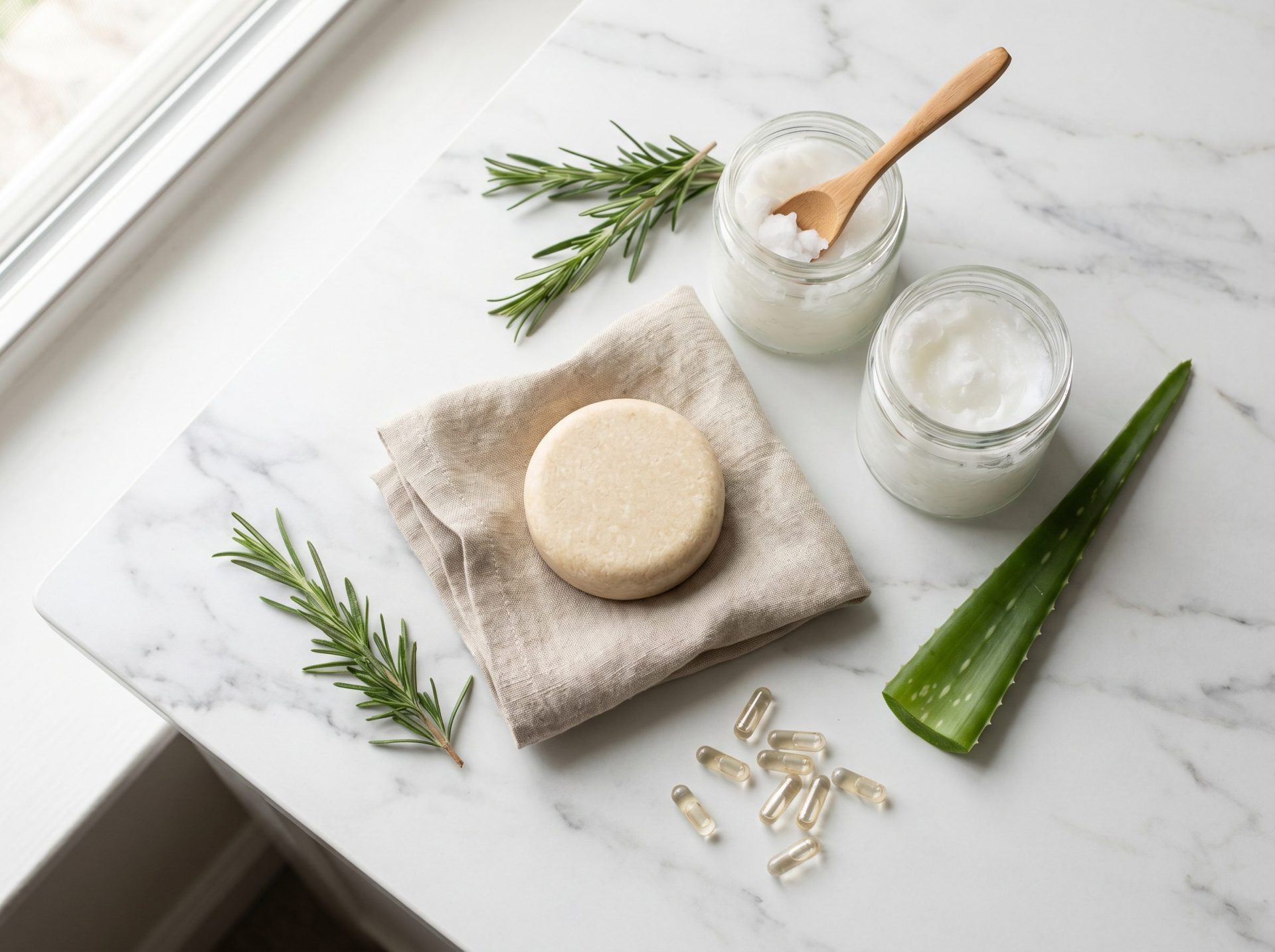
Split ends (trichoptilosis) occur when the protective outer layer of your hair (the cuticle) wears away, exposing the inner cortex. The strand literally splits into two or more pieces.
Types of Split Ends
1. Classic split (Y-shape) — Most common
2. Mini splits (small frays)
3. Fork split (multiple branches)
4. Tree split (splits within splits)
5. Tapered/feathered ends (thinning, breakage)
6. Knots (hair ties itself into knots, breaks off)
Important: Once hair splits, it cannot be repaired. The only fix is cutting it off. But you can prevent new splits from forming.
What Causes Split Ends?
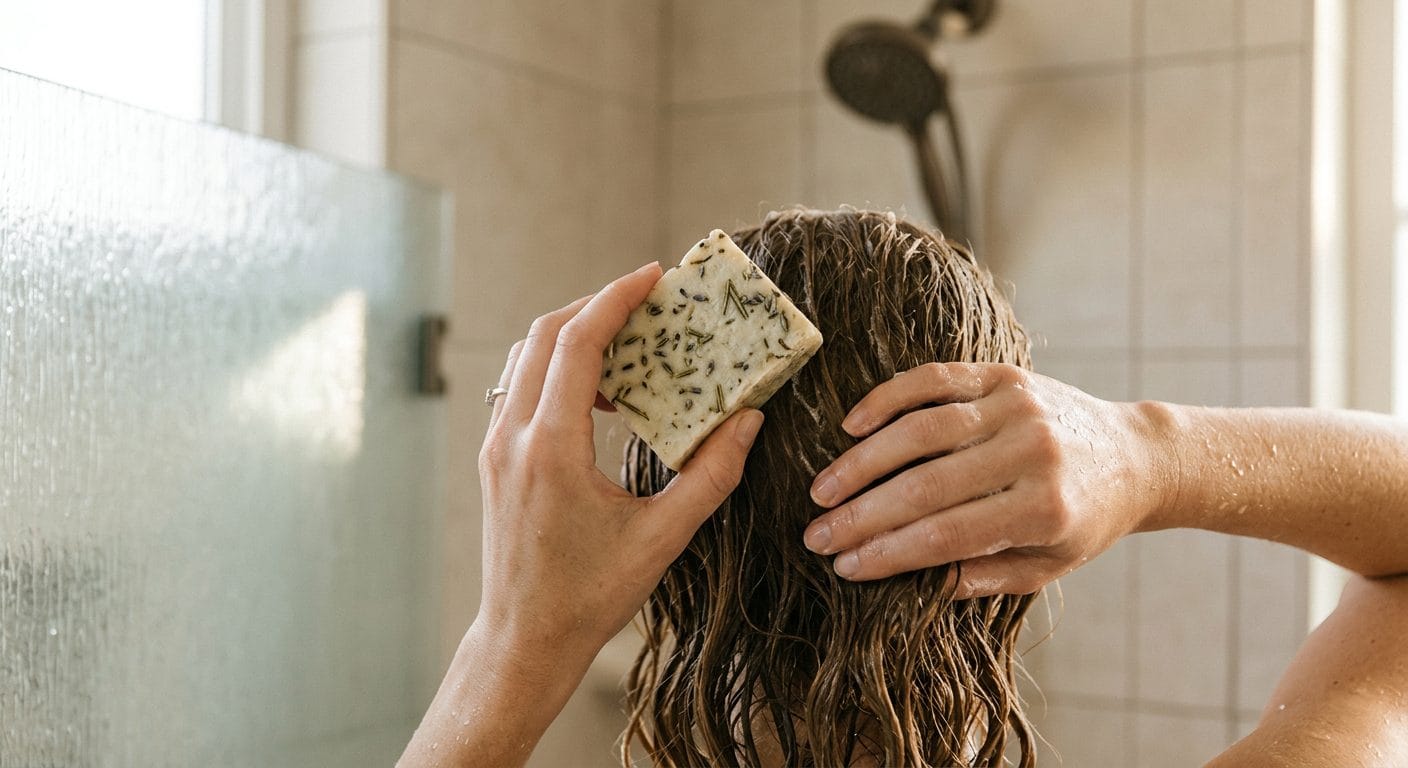
1. Mechanical Damage
- Rough brushing (especially when wet)
- Tight hairstyles (ponytails, braids, buns)
- Over-manipulation (constant touching, twisting)
- Friction (pillowcases, scarves, collars)
2. Heat Damage
- Blow-drying (especially without heat protectant)
- Flat irons, curling irons (high heat weakens protein bonds)
- Hot water (opens cuticle, makes hair fragile)
3. Chemical Damage
- Hair dye (especially bleach)
- Perms, relaxers
- Harsh shampoos (sulfates strip natural oils)
4. Environmental Damage
- UV rays (sun degrades protein structure)
- Chlorine, saltwater (dry out hair)
- Hard water (mineral buildup roughens cuticle)
- Pollution (oxidative stress)
5. Dryness
- Low moisture (hair becomes brittle)
- Overwashing (strips natural oils)
- Lack of conditioning (cuticle lifts, frays)
6. Aging Hair
- Older hair (ends are 2+ years old, naturally weaker)
- Slower oil production (as we age, scalp produces less sebum)
Can Shampoo Bars Prevent Split Ends?
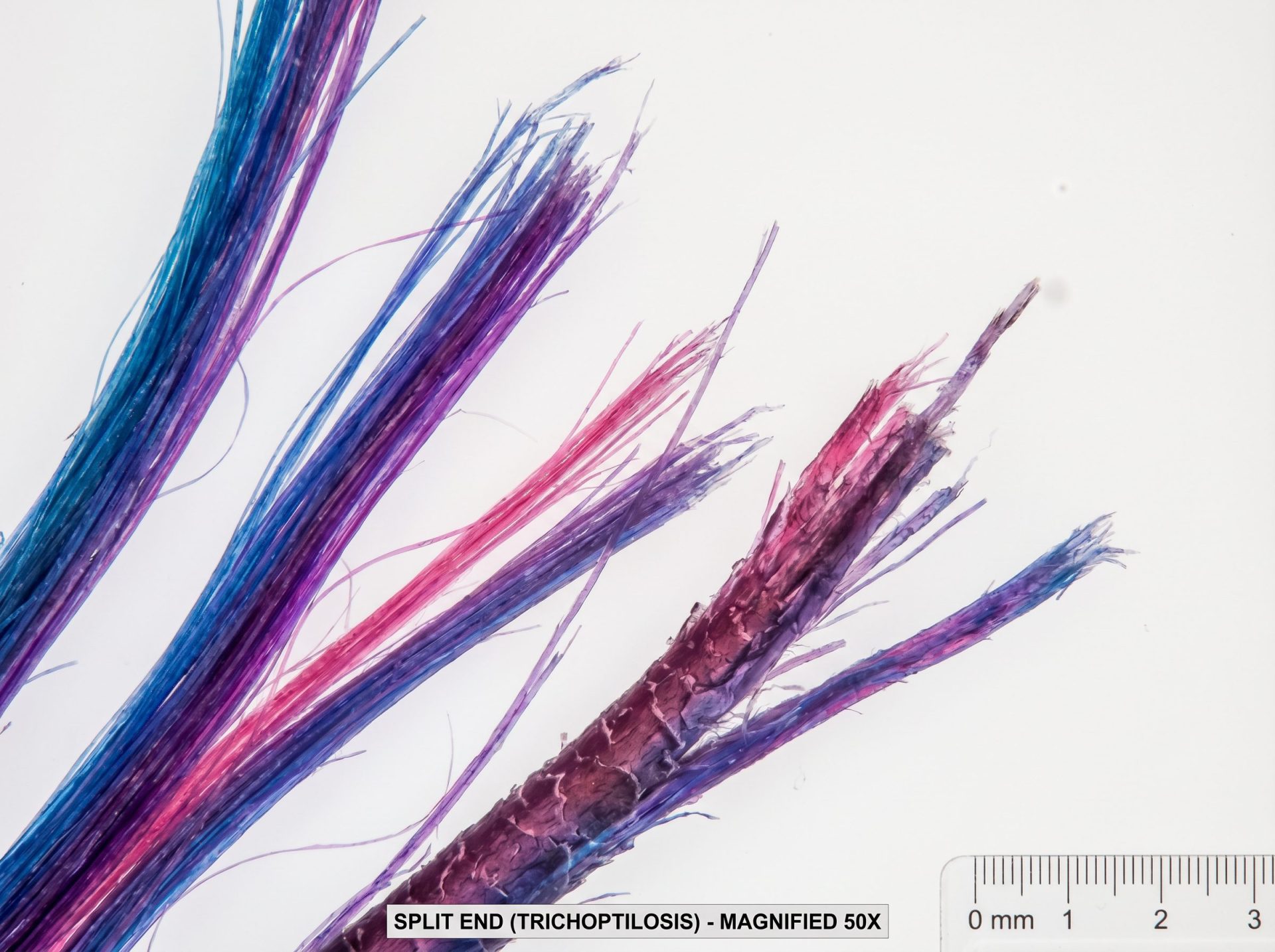
Yes—if you choose the right formula and use it correctly.
How Shampoo Bars Help
1. Gentle cleansing (sulfate-free bars don’t strip oils)
2. Protein reinforcement (keratin, silk protein strengthen strands)
3. Cuticle sealing (oils smooth the outer layer, reduce friction)
4. No harsh chemicals (fewer damaging ingredients than liquid shampoos)
5. Hard water protection (natural oils prevent mineral roughness)
When Shampoo Bars Make Split Ends Worse
1. Soap-based bars in hard water, skipping the rinse → Waxy buildup → rough, tangled hair → breakage
2. Over-cleansing formulas → Strip oils → dryness → splits
3. Rough application → Rubbing bar aggressively on hair → mechanical damage
4. Skipping conditioner → Cuticle stays lifted → friction → splits
The key: A well-superfatted cold-process soap bar is gentle on hair. Its pH 9-10 lifts the cuticle, so finish with an acidic (apple cider vinegar) rinse, especially in hard water, and pair it with moisturizing oils and proteins, used gently.
Best Ingredients to Prevent Split Ends in Shampoo Bars
🧬 Proteins (Strengthen Hair Structure)
Hydrolyzed Keratin ⭐⭐⭐
- Main protein in hair
- Fills in gaps in damaged cuticle
- Reduces breakage by up to 50% (studies show)
- Increases elasticity
Silk Protein ⭐⭐⭐
- Smooths cuticle surface
- Adds shine, reduces friction
- Lightweight (won’t weigh down hair)
Wheat Protein ⭐⭐
- Thickens hair strands
- Improves moisture retention
- Strengthens from within
Rice Protein ⭐⭐
- Adds body and volume
- Protects against environmental damage
- Good for fine hair (doesn’t add weight)
Hydrolyzed Collagen ⭐⭐
- Increases hair diameter
- Improves elasticity
- Adds moisture
How much protein?
- Damaged hair: 2-3x per week
- Healthy hair: 1x per week
- Over-proteined hair (feels stiff, brittle): Back off, focus on moisture
💧 Moisturizing Oils & Butters (Seal Cuticle, Prevent Dryness)
Argan Oil ⭐⭐⭐
- Penetrates hair shaft
- Rich in vitamin E (antioxidant)
- Adds shine, reduces frizz
- Protects from heat damage
Coconut Oil ⭐⭐⭐
- Reduces protein loss (especially when wet)
- Deep conditioning
- Strengthens hair from root to tip
Shea Butter ⭐⭐⭐
- Seals moisture in
- Smooths rough cuticles
- Best for thick, coarse, or very dry hair
Jojoba Oil ⭐⭐
- Mimics scalp’s natural sebum
- Lightweight (won’t weigh down)
- Balances moisture
Avocado Oil ⭐⭐⭐
- High in omega-3s, vitamins A, D, E
- Penetrates deeply
- Strengthens and repairs
Olive Oil ⭐⭐
- Rich in antioxidants
- Adds shine and softness
- Good for dry, damaged hair
🌿 Cuticle-Smoothing Botanicals
Marshmallow Root ⭐⭐⭐
- Creates “slip” (easier detangling)
- Smooths cuticle
- Reduces friction (less breakage)
Slippery Elm ⭐⭐
- Mucilaginous (gel-like coating)
- Detangles, reduces knots
Aloe Vera ⭐⭐
- Hydrating
- Seals cuticle
- Soothes scalp
Flaxseed Extract ⭐⭐
- Natural gel
- Defines curls, reduces breakage
💎 Strengthening Vitamins & Nutrients
Panthenol (Pro-Vitamin B5) ⭐⭐⭐
- Penetrates hair shaft
- Increases moisture retention
- Adds thickness and shine
Biotin (Vitamin B7) ⭐⭐
- Strengthens hair structure
- Reduces breakage
- Promotes healthy growth
Vitamin E (Tocopherol) ⭐⭐⭐
- Antioxidant (protects from UV and pollution)
- Seals cuticle
- Found naturally in argan oil, shea butter
Niacin (Vitamin B3) ⭐⭐
- Improves scalp circulation
- Strengthens follicles
🔥 Hard Water Fighters (Prevent Mineral Roughness)
Hard water = rough cuticles = more split ends.
Citric acid ⭐⭐⭐
- chelates (binds and removes) calcium and magnesium
- Balances pH
- Smooths cuticle
Apple Cider Vinegar (ACV) Powder ⭐⭐⭐
- Natural acidifier (citric acid)
- Adds shine
- Clarifies buildup
Clay (Kaolin, Bentonite) ⭐⭐
- Absorbs minerals and impurities
- Clarifies without stripping
🧴 Gentle Surfactants (Clean Without Damage)
saponified plant oils ⭐⭐⭐
- Coconut-derived, ultra-gentle
- Creamy lather
- Won’t strip natural oils
Decyl Glucoside ⭐⭐⭐
- Plant-based
- Hypoallergenic
- Preserves moisture
Coco Glucoside ⭐⭐
- Mild, non-drying
- Safe for damaged hair
Avoid: SLS (sodium lauryl sulfate), SLES (sodium laureth sulfate) — too harsh, strip oils, worsen splits.
How to Choose a Shampoo Bar to Prevent Split Ends
Step 1: Identify Your Hair Damage Level
| Damage Level | What You Need |
|——————|——————-|
| Minimal damage (healthy, occasional splits) | Light moisture (jojoba, argan), panthenol, gentle surfactants |
| Moderate damage (regular splits, some breakage) | Protein (keratin, silk), coconut oil, marshmallow root |
| Severe damage (frequent splits, brittle, breakage) | Heavy protein + moisture (keratin, shea butter, avocado oil), citric acid (if hard water) |
Step 2: Check Your Water Hardness
Hard water roughens the cuticle → more splits.
- Test your water (kits available online)
- OR check for white mineral deposits on faucets
If hard water: Look for chelating agents (citric acid, EDTA), ACV, or citric acid in your bar.
Step 3: Avoid Damaging Ingredients
❌ Sulfates (SLS, SLES) — Strip oils, dry out ends
❌ High alcohol content (SD alcohol, alcohol denat) — Dries hair
❌ Synthetic fragrances — Can irritate scalp, dry hair
✅ Cold-process soap (pH 9-10) — gentle when well superfatted; in hard water, finish with an acidic (ACV) rinse to close the cuticle and prevent buildup
Best Shampoo Bar Formulas to Prevent Split Ends
🌟 Best All-Around Split End Prevention
Formula:
- saponified plant oils (natural soap)
- Argan oil + coconut oil
- Hydrolyzed keratin
- Panthenol
- citric acid (for hard water)
Why it works: Balances protein and moisture, strengthens strands, smooths cuticle.
🩹 Best for Severely Damaged Hair
Formula:
- SCI or sodium coco sulfate
- Shea butter + avocado oil + coconut oil
- Keratin + silk protein
- Marshmallow root (detangling)
- Vitamin E
Why it works: Heavy-duty repair, deep conditioning, reduces breakage.
💧 Best for Dry, Brittle Ends
Formula:
- SCI or decyl glucoside
- Shea butter + jojoba oil
- Glycerin (humectant)
- Aloe vera
- Panthenol
Why it works: Maximum moisture, seals cuticle, prevents brittleness.
🔥 Best for Hard Water Areas
Formula:
- SCI or coco glucoside
- citric acid + ACV powder
- Argan oil (lightweight moisture)
- Silk protein
- Clay (clarifying)
Why it works: Removes mineral buildup, smooths rough cuticles, reduces friction.
✨ Best for Fine, Fragile Hair
Formula:
- Decyl glucoside (ultra-gentle)
- Jojoba oil + argan oil (light oils only)
- Rice protein or silk protein (lightweight)
- Panthenol
- Aloe vera
Why it works: Strengthens without weight, adds moisture without greasiness.
How to Use Shampoo Bars Without Causing Split Ends
❌ What NOT to Do
1. Don’t rub the bar aggressively on hair → Causes friction, breakage
2. Don’t wash hair in very hot water → Opens cuticle, weakens hair
3. Don’t skip conditioner → Cuticle stays rough
4. Don’t brush wet hair roughly → Hair is weakest when wet
5. Don’t overwash → Strips natural oils, dries ends
✅ The Right Technique
Pre-Wash:
1. Detangle BEFORE washing (use wide-tooth comb, start from ends)
2. Wet hair thoroughly with lukewarm water
3. If hard water: Pre-rinse with diluted ACV (1 tbsp per cup water)
Washing:
1. Lather in hands first (less friction than rubbing bar directly on hair)
2. Apply lather to scalp, massage gently
3. Let lather run through ends (don’t scrub the lengths/ends)
4. Leave on 1-2 minutes (gives proteins time to bind)
Rinsing:
1. Rinse thoroughly (leftover product → buildup → breakage)
2. Cool/cold final rinse (seals cuticle, adds shine)
3. ACV rinse (for hard water): 1 tbsp per cup water, apply to lengths, leave 30 seconds, rinse
Post-Wash:
1. Gently squeeze water out (don’t rub with towel)
2. Microfiber towel or t-shirt (less friction than regular towels)
3. Wide-tooth comb for detangling (never brush wet)
4. Apply leave-in conditioner or oil to ends (argan, jojoba, coconut)
5. Air dry or low heat (high heat = damage)
Beyond Shampoo: Other Ways to Prevent Split Ends
1. Regular Trims
- Every 8-12 weeks (removes existing splits before they travel up)
- “Dusting” (micro-trims) works if you’re growing hair out
2. Deep Conditioning
- 1x per week with protein or moisture mask
- Focus on mid-lengths and ends
3. Protect from Heat
- Use heat protectant spray/serum
- Keep tools under 350°F (175°C)
- Limit heat styling to 2-3x per week
4. Sleep Care
- Silk or satin pillowcase (reduces friction)
- Loose braid or bun (protects ends)
- Never sleep with wet hair (weakest state)
5. Minimize Manipulation
- Avoid tight hairstyles
- Use hair-friendly ties (spiral coils, scrunchies)
- Don’t over-brush
6. UV Protection
- Wear hats in strong sun
- Use leave-in treatments with UV filters
7. Chemical Caution
- Space out dye jobs (12+ weeks)
- Use bond-building treatments (Olaplex, K18)
- Avoid overlapping bleach/color on previously treated hair
Hard Water + Split Ends: The Hidden Connection
Why hard water worsens splits:
1. Mineral coating: Calcium/magnesium create a rough surface → cuticle lifts → friction → breakage
2. Tangling: Buildup makes hair catch on itself → knots → splits
3. Dryness: Minerals block moisture → brittle ends → breaks easily
Solutions
Option 1: Shower Filter ⭐⭐⭐
- Removes 90%+ of minerals
- Best long-term solution (~€30-80)
- Reduces splits, improves shine
Option 2: Weekly ACV Rinses ⭐⭐⭐
- After shampooing: diluted ACV (1 tbsp per cup water)
- Removes buildup, smooths cuticle
- Reduces friction
Option 3: cleansing Shampoo Bar ⭐⭐
- Use 1x per week
- an acidic rinse
- Clarifies minerals
The Truth About “Repairing” Split Ends
Fact: Once hair splits, it cannot be repaired. The cortex is exposed. No product can fuse it back together permanently.
What products CAN do:
- Temporarily seal splits (silicones, oils create a coating)
- Prevent new splits (proteins strengthen, oils seal cuticle)
- Reduce appearance (smoothing serums)
Products that claim to “heal” splits:
- They’re using silicones or polymers to glue ends together temporarily
- This washes out
- It’s not a permanent fix
The only permanent fix: Cutting off the split.
What shampoo bars CAN do:
✅ Strengthen hair to prevent future splits
✅ Smooth cuticle to reduce friction
✅ Moisturize ends to prevent brittleness
✅ Remove buildup that causes roughness
Natural Answer Products: Strengthen & Protect
Our shampoo bars are formulated to minimize damage:
✅ No sulfates — Gentle cleansing preserves oils
✅ Moisturizing oils (coconut, shea butter) — Seal cuticle
✅ Proteins (keratin, silk) — Strengthen strands
✅ Hard water-friendly — pair with an ACV rinse to prevent mineral roughness
✅ No palm oil — High-quality, eco-friendly ingredients
✅ Vegan & cruelty-free
Recommended for split-prone hair:
- Protein-rich formulas (keratin, silk)
- Moisturizing bars (argan oil, shea butter)
- Hard water defense (if needed)
Frequently Asked Questions
Q: Can shampoo bars repair split ends?
A: No product can permanently repair split ends. But shampoo bars can prevent new ones by strengthening hair and sealing the cuticle.
Q: Will shampoo bars make split ends worse?
A: Only if you apply them too roughly, or use a soap-based bar in hard water without a rinse. A well-superfatted cold-process soap bar, finished with an acidic (ACV) rinse, is gentle and protective.
Q: How often should I wash hair to prevent split ends?
A: 2-3x per week for most people. Overwashing strips oils, making ends dry and prone to splitting.
Q: Should I use protein or moisture for split ends?
A: Both! Damaged hair needs protein (keratin, silk) to strengthen AND moisture (oils, butters) to seal. Alternate weekly.
Q: Can I prevent split ends without cutting my hair?
A: You can slow them down (gentle care, oils, trims) but not eliminate them entirely. Regular micro-trims (every 8-12 weeks) prevent splits from traveling up.
Q: Do leave-in products help prevent split ends?
A: Yes! Leave-in conditioners, oils (argan, jojoba), and serums protect ends between washes.
Conclusion: Protect Your Ends, Keep Your Length
Split ends are inevitable for long hair—but you can minimize them with the right shampoo bar, gentle techniques, and consistent care.
Key takeaways:
✅ Choose protein + moisture formulas (keratin, silk, argan oil, shea butter)
✅ Use gentle surfactants (SCI, decyl glucoside)
✅ Fight hard water (chelating agents, ACV rinses)
✅ Apply bars gently (lather in hands, don’t rub aggressively)
✅ Condition always (seals cuticle, reduces friction)
✅ Trim regularly (every 8-12 weeks)
Your action plan:
1. Check water hardness (install filter if needed)
2. Choose a strengthening + moisturizing shampoo bar
3. Use ACV rinses weekly (if hard water)
4. Apply leave-in oil/conditioner to ends
5. Trim every 8-12 weeks
6. Minimize heat, chemicals, and manipulation
With the right care, you can grow long, strong, healthy hair—and keep those ends intact.
Ready to protect your ends? Explore our collection of strengthening, moisturizing shampoo bars — formulated with proteins, oils, and hard water defense to prevent breakage and split ends.
Ready to Make the Switch?
Ready to experience the benefits of a natural shampoo bar? Browse our complete collection of cold-processed soap bars — each one made with 6 organic plant oils and zero synthetic additives.