


Last updated: May 11, 2026
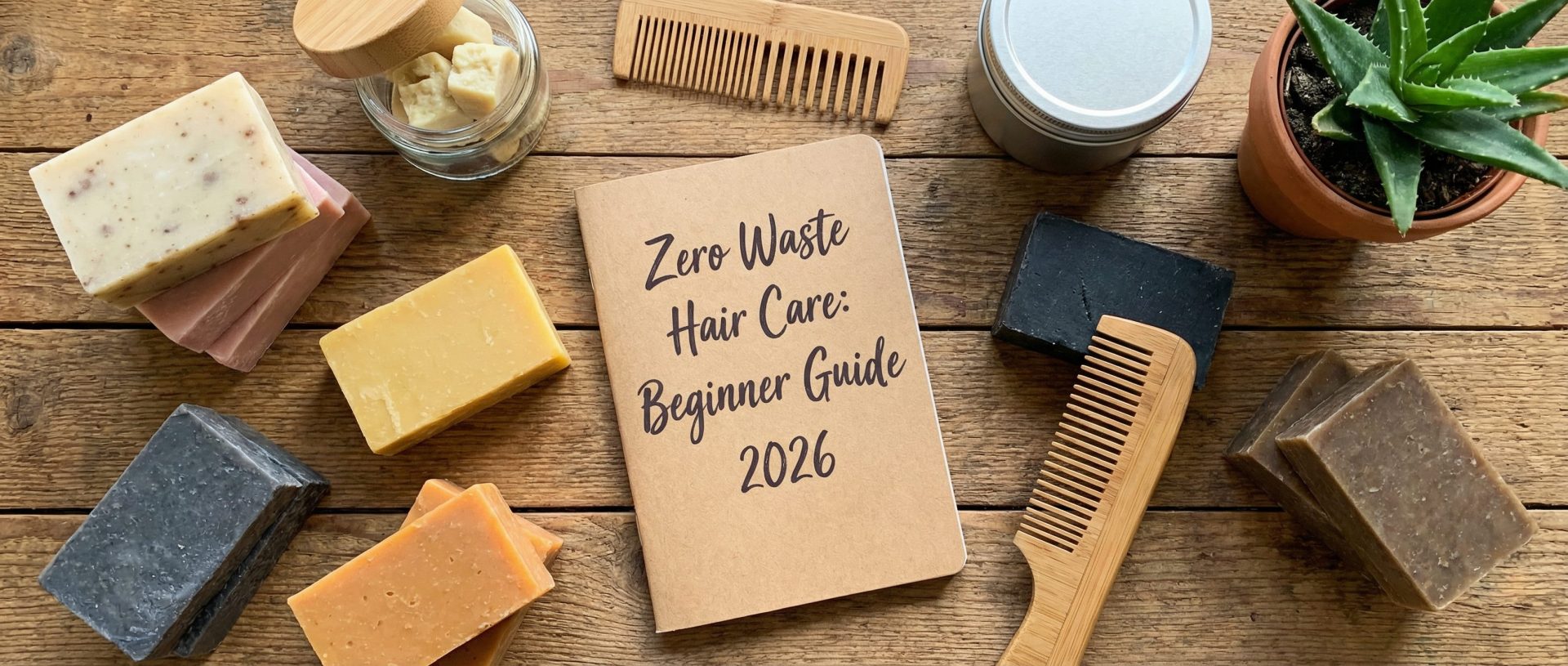
Build a zero waste hair care routine. Replace plastic bottles with sustainable alternatives. This complete beginner guide shows you how.
Why Switch to Zero Waste Hair Care?
The beauty industry produces billions of plastic bottles annually. Most end up in landfills or oceans. According to EPA statistics, personal care packaging contributes significantly to plastic waste.
Making the switch reduces your environmental impact while often improving hair health. Many zero waste products avoid harsh chemicals found in conventional shampoos.
The Real Cost of Plastic Bottles
An average person uses 6-8 shampoo bottles per year. Multiply that by conditioner, styling products, and treatments, and you’re looking at 15-20 plastic bottles annually. Most aren’t recycled—they sit in landfills for 450+ years or break down into microplastics that pollute oceans and enter our food chain.
Beyond environmental damage, you’re paying for water. Liquid shampoos contain 70-90% water. You’re essentially buying diluted products in wasteful packaging, then paying to ship that water weight around the world.
Essential Zero Waste Hair Products

Shampoo Bars
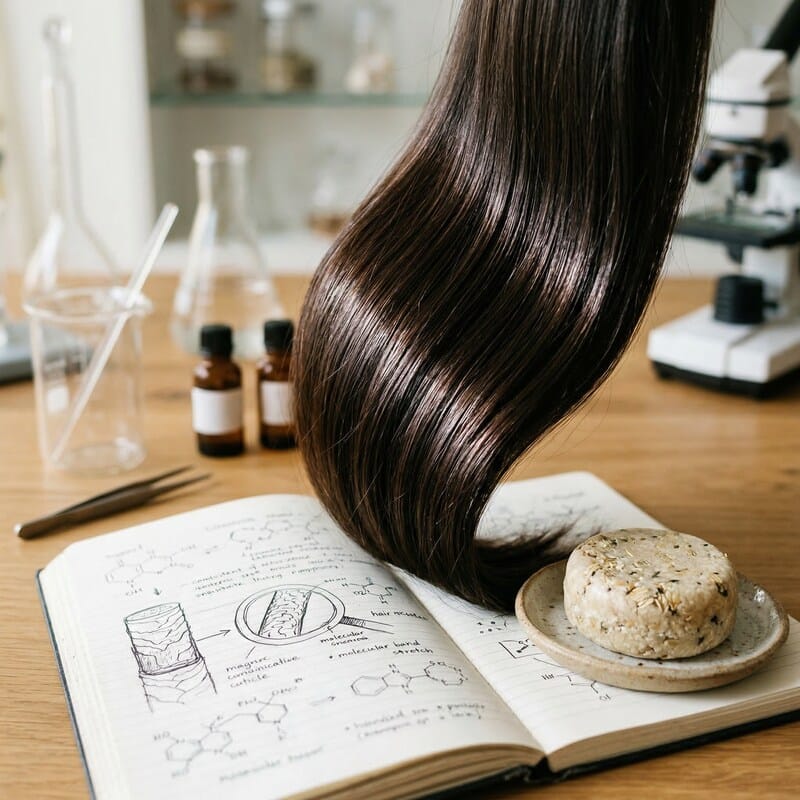
These concentrated bars replace multiple plastic bottles. One bar typically lasts 50-80 washes. They’re perfect for travel and take up minimal bathroom space. Look for palm oil free options like those in the Natural Answer collection to ensure your sustainable choice doesn’t drive deforestation.
Conditioner Bars
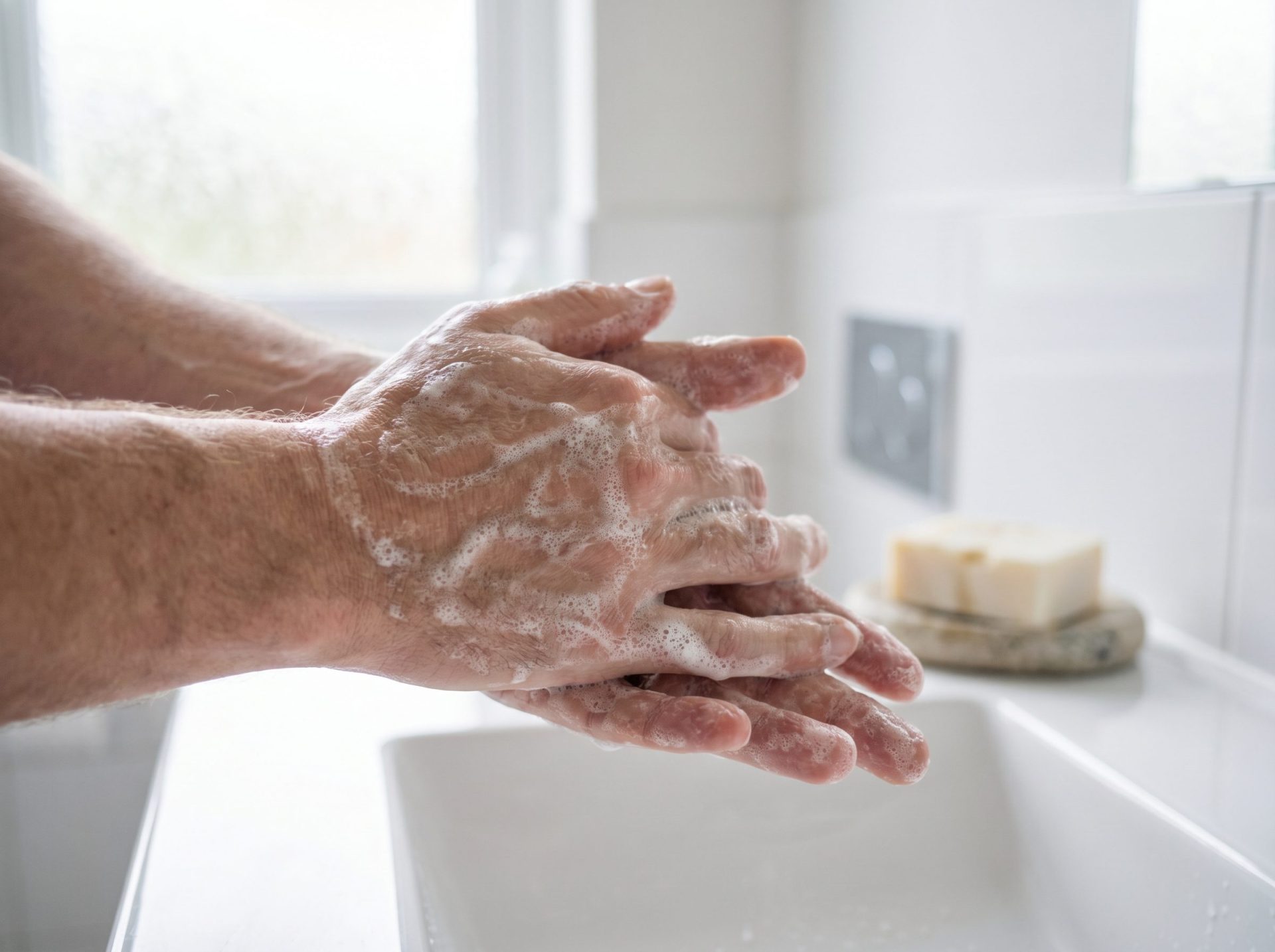
Solid conditioners detangle and moisturize without plastic packaging. Apply directly to wet hair, focusing on ends. Rinse thoroughly for best results. Some people with very dry hair prefer liquid refillable conditioners—that’s still a massive improvement over single-use bottles.
Sustainable Accessories
- Bamboo combs – Biodegradable alternative to plastic
- Wooden brushes – Natural bristles are gentler on hair
- Metal hair clips – Last forever, no plastic waste
- Cotton scrunchies – Kinder to hair than elastic bands
- Reusable headbands – Replace disposable hair ties
Building Your Routine
Start by replacing one product at a time. This makes the transition manageable. Most people begin with shampoo bars since they’re the easiest swap.
Store your bars on a soap dish that allows drainage. This extends their life significantly. Keep them away from direct water spray between uses. For detailed storage instructions, see our storage guide.
Your 4-Week Transition Plan
Week 1: Replace shampoo with a bar. Use your existing conditioner to ease the transition. Don’t change everything at once—this helps you identify what works.
Week 2: Add a conditioner bar or switch to a diluted apple cider vinegar rinse (2 tablespoons ACV in 1 cup water). This helps remove any residue from your old products.
Week 3: Evaluate your hair accessories. Replace one plastic item with a sustainable alternative. Start with your most-used item—usually a brush or comb.
Week 4: Assess and adjust. By now your hair should feel balanced. If not, check our complete switching guide for troubleshooting tips.
Beyond Basic Hair Care
Once you’ve mastered shampoo and conditioner, consider these zero waste additions:
- DIY hair masks: Mix 2 tablespoons olive oil with 1 mashed avocado. Apply to damp hair, wait 15 minutes, rinse. Zero packaging, nourishing results.
- Reusable hair dye: Henna and other plant-based dyes come in compostable packaging and contain no harsh chemicals.
- Silk pillowcases: Reduce hair breakage and last for years. Natural silk is biodegradable.
- Wooden styling tools: Curling wands and straighteners aren’t zero waste yet, but wooden combs and brushes work for most styling needs.
Tips for Success
- Allow adjustment time – your hair needs 2-4 weeks
- Consider water hardness in your area
- Use an apple cider vinegar rinse if needed
- Be patient with the transition process
Common Mistakes to Avoid
Don’t throw away half-full bottles to go zero waste immediately. Use up what you have—waste is worse than delayed sustainability. Finish your old products while researching your sustainable replacements.
Avoid buying every zero waste product at once. Start with essentials. You don’t need 12 different shampoo bars to “find the perfect one.” Choose one based on your hair type, use it for a full month, then reassess.
Don’t forget to check ingredient lists. “Zero waste” doesn’t automatically mean “non-toxic.” Some package-free products still contain sulfates, silicones, or palm oil. Read labels carefully.
The Cost Reality: Saving Money While Saving the Planet
Zero waste hair care often costs less long-term. A quality shampoo bar ($8-12) lasts as long as 2-3 bottles of liquid shampoo ($12-24 total). You’re saving $4-12 per shampoo cycle, plus eliminating shipping costs on heavy water-filled bottles.
Over one year, most people save €30-60 on hair care alone by switching to bars. Add in reusable accessories that last years instead of months, and your savings compound.
Hard Water Solutions
Hard water makes zero waste hair care trickier but not impossible. Minerals in hard water react with soap-based bars, leaving a waxy residue. Solutions:
- Apple cider vinegar rinse: 2 tablespoons ACV in 1 cup water after shampooing. This dissolves mineral buildup.
- Citric acid rinse: 1 teaspoon citric acid in 2 cups water. Spray on, wait 30 seconds, rinse.
- Chelating bars: Some bars are specifically formulated for hard water. Check product descriptions.
- Water softener: If you own your home, a shower water softener is a long-term solution that benefits all your zero waste efforts.
FAQ: Zero Waste Hair Care
Is zero waste hair care more expensive?
Initially similar or slightly cheaper, with major long-term savings. Bars last longer than bottles, and durable accessories replace disposable ones.
Can I go zero waste with colored or treated hair?
Yes. Choose bars formulated for color-treated hair or use sulfate-free options. Check our colored hair guide.
What about travel?
Zero waste products are ideal for travel. Bars are TSA-friendly, won’t spill, and take up minimal luggage space. See our travel tips.
How long do shampoo bars really last?
With proper storage, 60-80 washes or 3-6 months for most people. Learn more about bar longevity.
Can I make my own zero waste hair products?
Possible but challenging. DIY shampoo bars require lye handling and precise formulation. Hair masks and rinses are easier DIY projects. Most people find buying quality bars more practical.
Related Reading
- Complete Guide to Shampoo Bars
- 10 Benefits of Using a Shampoo Bar (Backed by Science)
- Why Choose Palm Oil Free Shampoo Bars
- Complete Guide to Switching from Liquid Shampoo
Last updated: February 2026