


Last updated: October 14, 2026
Switching to shampoo bars should make your hair healthier and your routine simpler. But many people struggle at first—not because shampoo bars don’t work, but because they’re making common mistakes that sabotage their results.If your shampoo bar left your hair greasy, waxy, or limp, it’s probably not the bar’s fault. It’s one of these 12 fixable mistakes.Written by the Natural Answer team · Last reviewed October 14, 2026
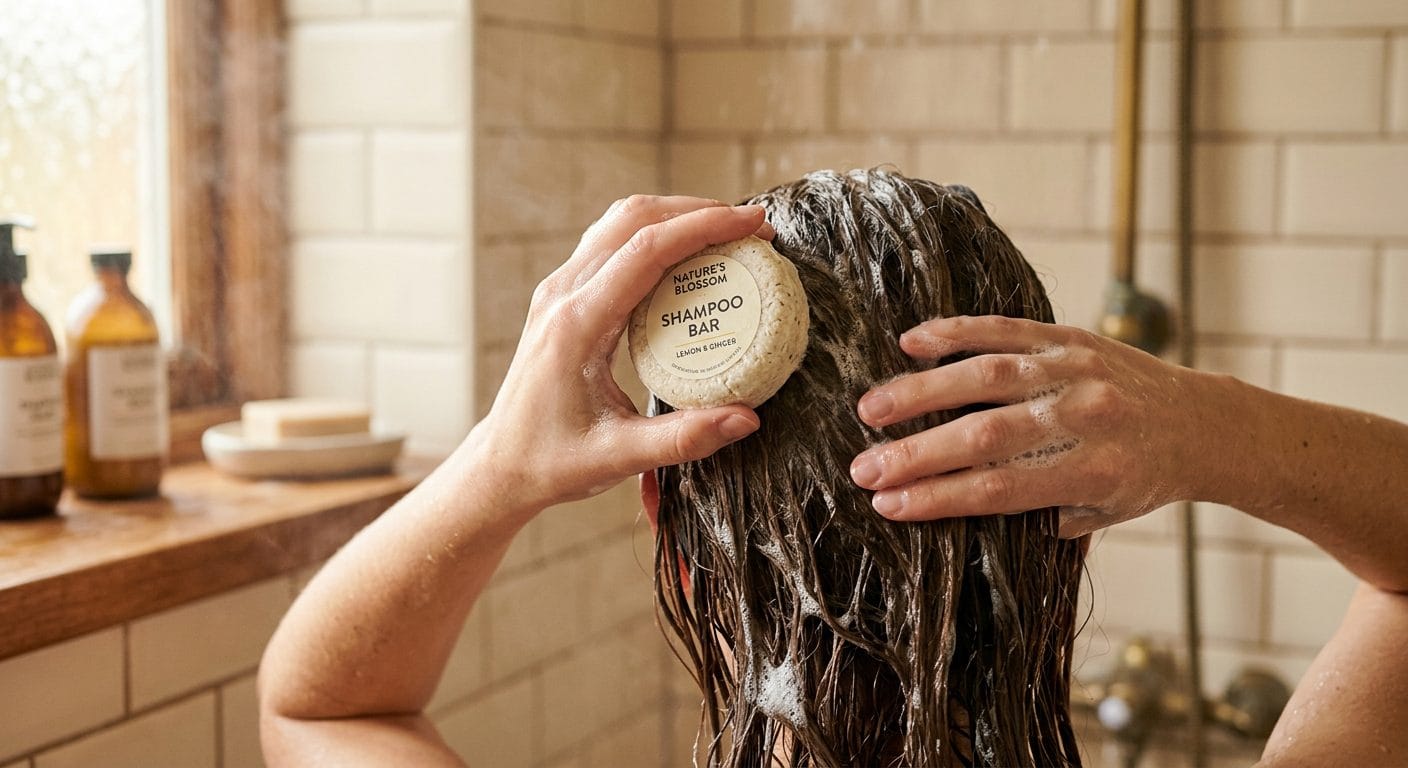
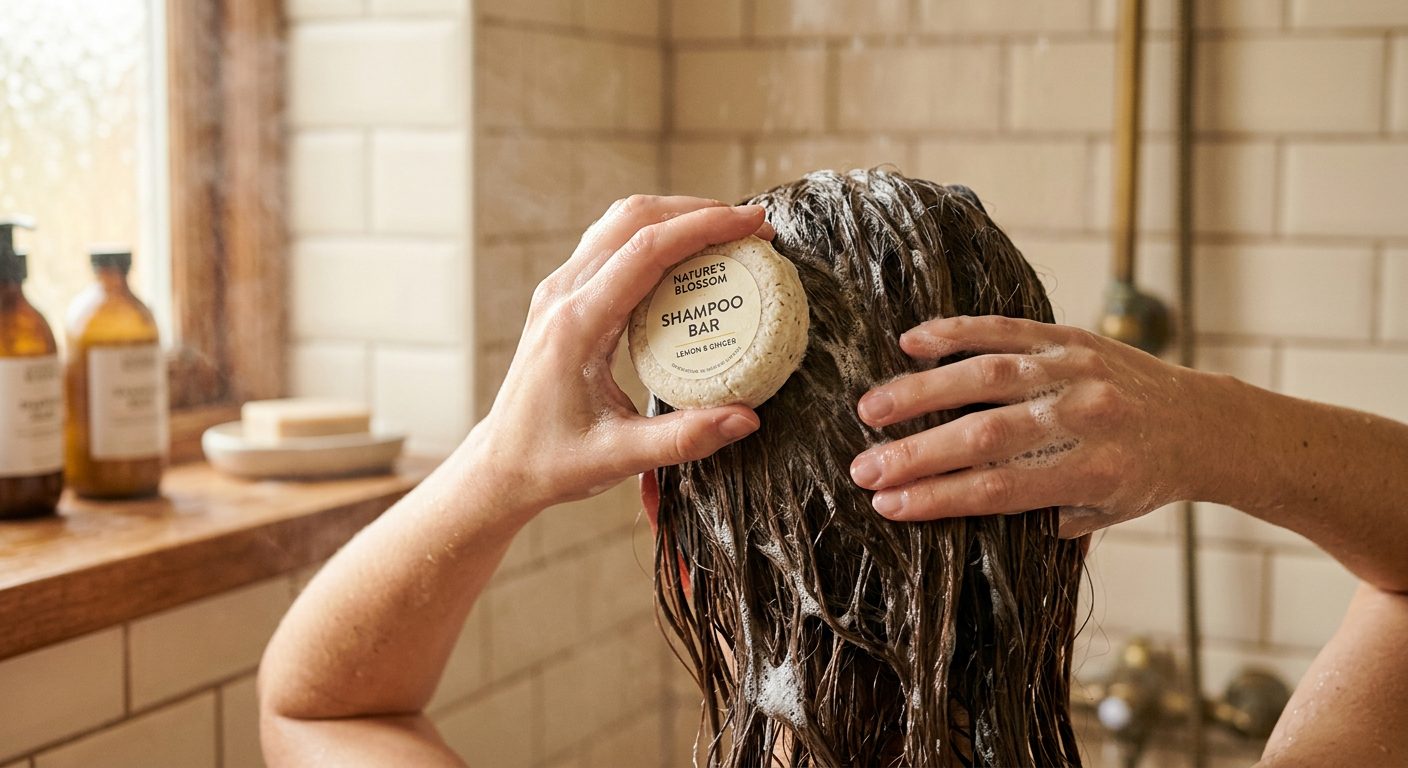
1. Using It Like Liquid Shampoo
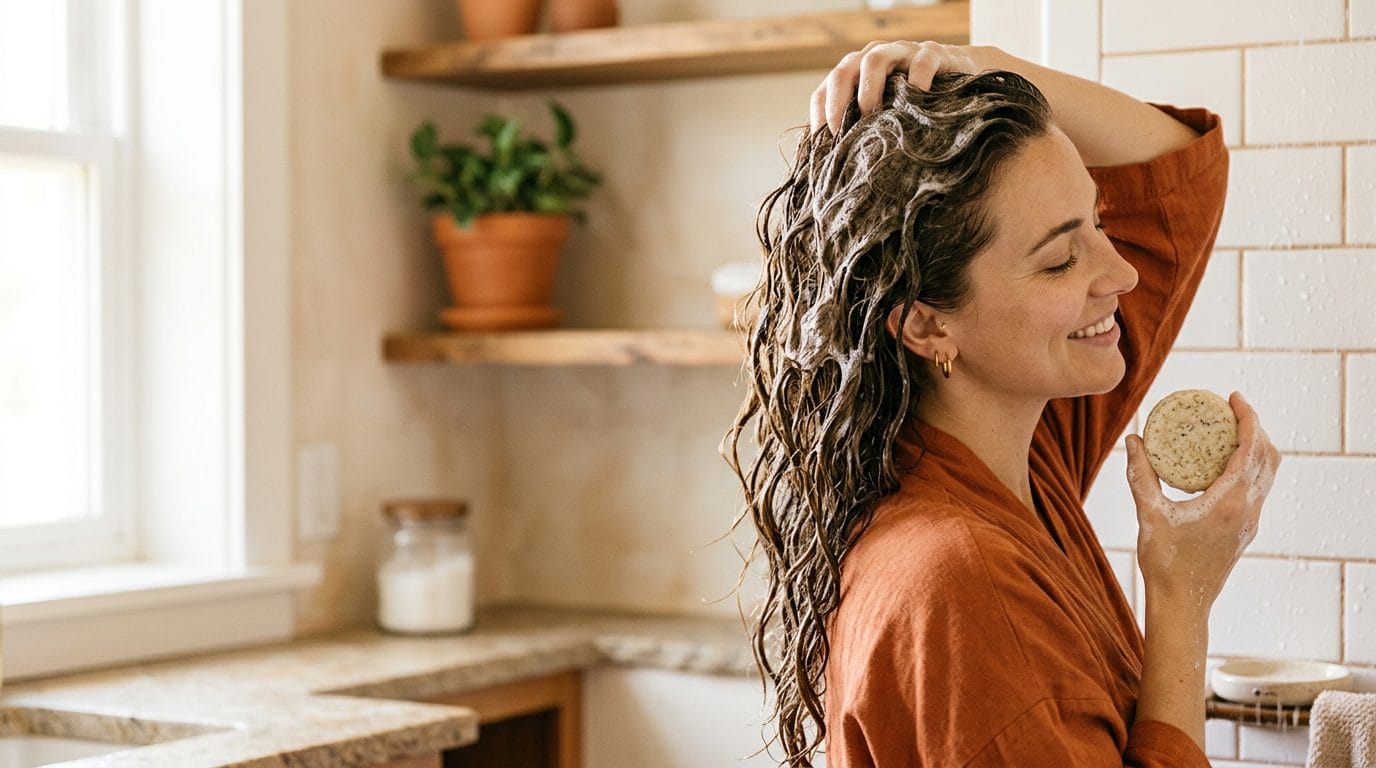
- Wet your hair thoroughly first (30-45 seconds under warm water)
- Glide the bar gently 3-5 times over your scalp in sections
- Set the bar down and lather with your hands
- Focus on your scalp, not your ends
- Less is more—you can always add more if needed
2. Skipping the Pre-Rinse
The Mistake: Applying the bar to damp-ish hair instead of fully saturated hair.Why It Fails: Shampoo bars need water to activate properly. Insufficient water = poor lather, uneven distribution, buildup.The Fix:- Rinse your hair for 30-60 seconds before touching the bar
- Your hair should be dripping wet, not just damp
- In hard water areas, rinse even longer (minerals coat hair and repel water)
- Warm water works better than cold for initial saturation
3. Not Rinsing Long Enough

- Rinse for 60-90 seconds minimum (yes, that’s longer than you think)
- Use warm water (helps dissolve residue better than cold)
- Tilt your head in different directions to reach all areas
- Keep rinsing until your hair feels “squeaky clean” when you run your fingers through it
- In hard water: rinse even longer (2+ minutes)
Short rinses also leave the bar harder to work with on the next wash. If lather is thin no matter what you try, see our guide to shampoo bar lathering problems.
—4. Using Hard Water Without Adjusting Your Routine
The Mistake: Assuming shampoo bars work the same in hard water as soft water.Why It Fails: Hard water minerals (calcium, magnesium) react with shampoo ingredients, creating buildup, reducing lather, and making hair feel waxy or dull.The Fix:- Extend your rinse time (2+ minutes instead of 60 seconds)
- Use warmer water (helps dissolve minerals better)
- Consider a cleansing rinse once a week (apple cider vinegar or citric acid solution)
- Use a cold-process soap bar and finish with an ACV rinse (dissolves mineral film in hard water)
- Install a shower filter if your water is very hard (300+ ppm)
The ACV rinse, step by step: mix 1–2 tablespoons raw apple cider vinegar into 1 cup (250 ml) cool or lukewarm water, pour over hair after rinsing out the bar, leave for about 30 seconds, then rinse with cool water. Dilute every time — never apply ACV undiluted, and skip it on broken or irritated scalp skin. Full method and frequency by water hardness: how to do an apple cider vinegar rinse with shampoo bars.
How to Know if You Have Hard Water:- Google “[your city] water hardness report”
- Signs: soap doesn’t lather well, white residue on faucets, dry skin after showering
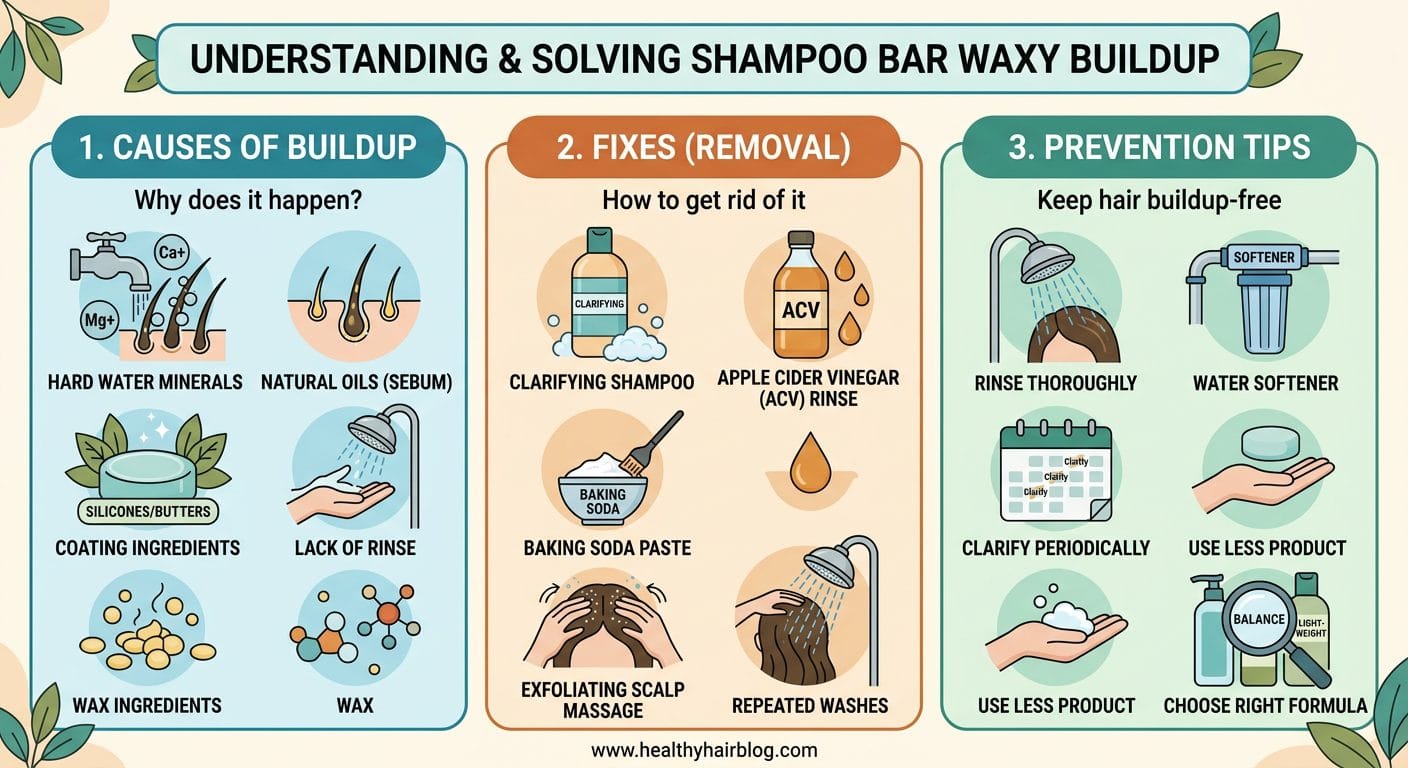
Why Does My Shampoo Bar Leave Hair Waxy or Greasy?
Waxy, greasy-feeling hair after a shampoo bar usually means hard water minerals have reacted with the bar’s cleansing agents and left a film on your hair. The fix is an ACV rinse after washing — the acid dissolves the mineral film so it rinses away. If the feeling persists after a few washes, you may also still be in the transition period described below.
—5. Storing the Bar Incorrectly
The Mistake: Leaving the bar in a wet soap dish, shower caddy with water pooling, or sealed container.Why It Fails: Wet storage makes the bar dissolve 3-5x faster. It also creates a slimy layer, harbors bacteria, and wastes product.The Fix:- Use a draining soap dish (slatted, elevated, or magnetic)
- Keep it out of direct water spray
- Let it air-dry completely between uses
- Move it out of the shower if your bathroom stays humid
- Never store in a closed container while wet
| Storage type | Airflow | Water contact | Bar longevity |
|---|---|---|---|
| Magnetic holder (wall-mounted) | Excellent | None | Best |
| Slatted bamboo dish | Good | Brief, drains off | Good |
| Soap bag, hung to dry | Good | Brief, drains off | Good |
| Wet dish or closed container (avoid) | Poor | Constant, pooling | Worst — dissolves 3–5x faster |
6. Expecting Instant Results During Transition
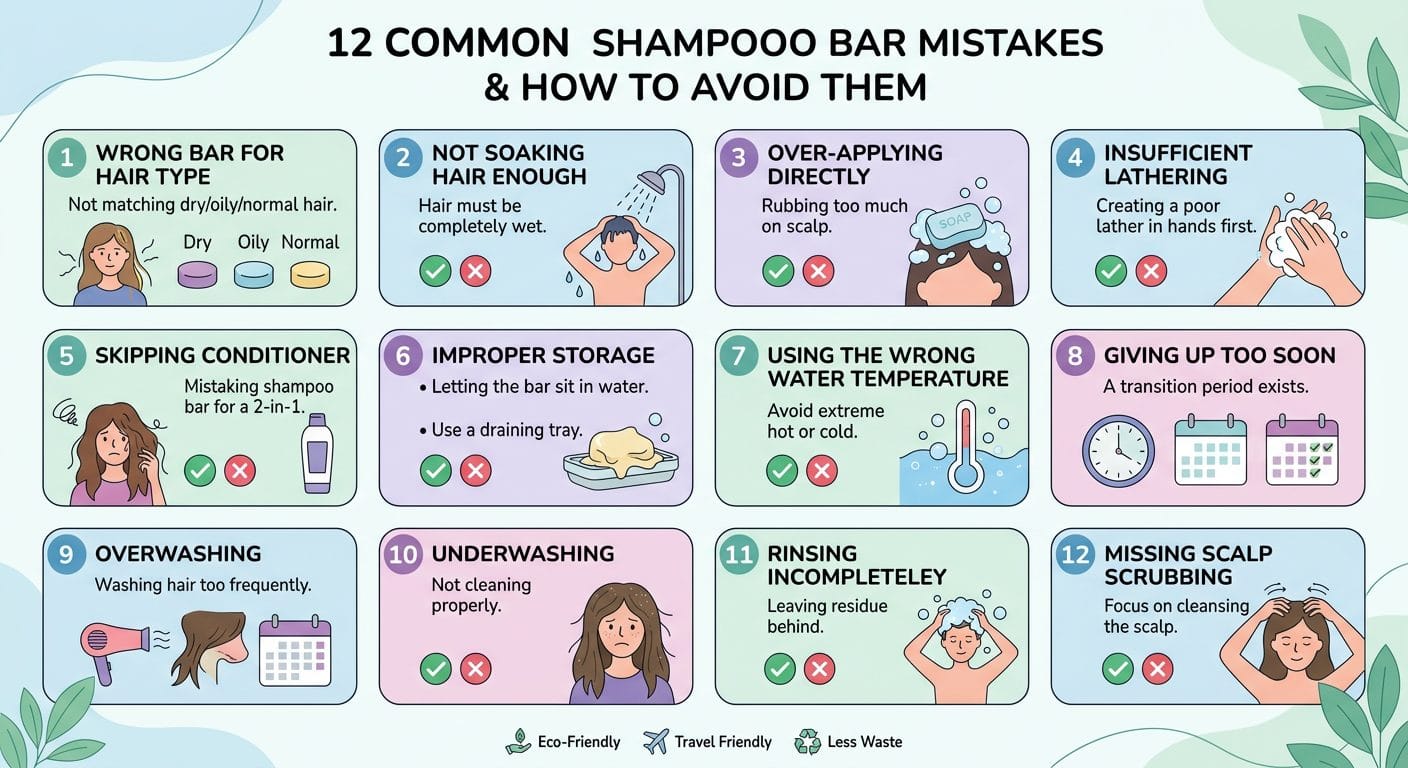
- Commit to 2-4 weeks before judging results
- Do a clarifying wash first (removes silicone buildup from old products)
- Expect an adjustment period: slight greasiness, different texture, less volume at first
- Your scalp will rebalance as it stops compensating for harsh sulfates
- Use a transition rinse (diluted apple cider vinegar) once a week
| Week | What to expect | What to do |
|---|---|---|
| Week 1 | Hair may feel different, possibly greasy or flat | Stick to the routine; do a clarifying wash first if you haven’t |
| Week 2 | Oil production starts regulating | Add a weekly diluted ACV rinse if hard water is a factor |
| Week 3 | Hair feels cleaner longer, texture improves | Keep rinse time and water temperature consistent |
| Week 4+ | Often volume, shine, less oil, healthier scalp | Judge results now, not before |
How to Do a Clarifying Wash Before You Start
A clarifying wash before your first bar wash removes old silicone and product buildup so the bar can work on clean hair, which shortens the transition. Wash once with a sulfate shampoo, or pre-rinse with a diluted baking soda rinse (about 1 teaspoon baking soda per cup of water, rinsed out well), then start your regular bar routine. Do this once at the start of the transition, not every wash.
How Long Does the Shampoo Bar Transition Take?
Most people need about 2–4 weeks to fully transition from liquid shampoo to a shampoo bar. In week 1–2, hair can feel different or slightly greasy as oil production rebalances. By week 3–4, most people notice improved shine, volume, and scalp comfort. Give it the full few weeks before judging.
—7. Using the Wrong Bar for Your Hair Type
The Mistake: Buying any shampoo bar without considering your specific hair needs.Why It Fails: Different hair types need different formulations. Oily hair needs clarifying ingredients. Dry hair needs moisturizing oils. Curly hair needs extra conditioning.The Fix:- Match the bar to your hair type:
- Oily/fine hair: Tea tree, peppermint, or citrus bars (clarifying)
- Dry/damaged hair: Shea butter, argan oil, or coconut milk bars (moisturizing)
- Curly/coily hair: Mango butter, avocado oil, high-moisture bars
- Colored hair: Gentle, sulfate-free, gentle natural formulas
- Dandruff-prone: Tea tree, neem, or salicylic acid bars
- Read ingredient lists, not just marketing
- Try samples before committing to full-size bars
Not sure where to start? Find the right NAP shampoo bar for your hair type in our full collection.
Natural Answer Products offers 8 different formulations targeting specific needs (normal, oily, dry, damaged, curly, colored, sensitive, volume-boosting).—8. Rubbing the Bar Directly on Hair Ends
The Mistake: Sliding the bar down the length of your hair from roots to tips.Why It Fails: Your ends don’t produce oil. They’re the oldest, driest part of your hair. Direct bar application can dry them out further or cause tangles.The Fix:- Apply bar only to your scalp (where oil is produced)
- Lather with your hands, then distribute through hair
- Let the rinse-off clean your ends (residual lather is enough)
- Use conditioner or hair oil on ends if they’re dry or damaged
9. Comparing Lather to Liquid Shampoo
The Mistake: Assuming “more bubbles = cleaner hair.”Why It Fails: Shampoo bars (especially naturals) may produce less dramatic lather than sulfate-heavy liquid shampoos. That’s by design—sulfates create big bubbles but strip your hair.The Fix:- Judge by cleanliness, not lather
- A small, creamy lather is enough to cleanse effectively
- Hard water reduces lather (doesn’t mean the bar isn’t working)
- Focus on how your hair feels after rinsing, not during lathering
10. Not Adjusting for Water Temperature
The Mistake: Using cold water throughout your wash routine.Why It Fails: Cold water doesn’t activate shampoo bars well, doesn’t dissolve product residue effectively, and doesn’t rinse minerals in hard water.The Fix:- Use warm-to-hot water for the pre-rinse and lather (opens hair cuticle, activates product)
- Use warm water for the main rinse (removes residue better)
- Finish with a cool rinse (closes cuticle, adds shine)
11. Using Too Much Product
The Mistake: Applying the bar 10-15 times, thinking “more is better.”Why It Fails: Shampoo bars are 3-5x more concentrated than liquid shampoos. Excessive product = buildup, greasiness, waste, and impossible-to-rinse residue.The Fix:- 3-5 swipes is enough for short-to-medium hair
- 5-8 swipes for long or thick hair
- If in doubt, start with less (you can always add more)
- Focus on coverage, not quantity
12. Giving Up Before Troubleshooting
The Mistake: Experiencing a problem (greasiness, waxy buildup, dullness) and assuming “shampoo bars don’t work for me.”Why It Fails: Most shampoo bar problems have simple fixes. The bar itself is rarely the issue.The Fix:If your hair feels greasy:- You’re not rinsing long enough (add 60 seconds)
- You’re using too much product (reduce swipes by half)
- You’re still in transition (give it 2 more weeks)
- Try a clarifying rinse (1 tbsp apple cider vinegar in 1 cup water)
- You have hard water (extend rinse to 2+ minutes, use warmer water)
- You’re using a soap-based bar in hard water without an ACV rinse (add one)
- Do a cleansing rinse (citric acid solution)
- Product buildup (clarifying wash + longer rinse)
- Hard water minerals (vinegar rinse or cleansing spray)
- Using the wrong bar for your hair type (switch formulations)
- Your hair isn’t wet enough (longer pre-rinse)
- You have hard water (this is normal—lather ≠ cleaning power)
- The bar is too dry (wet it before applying to hair)
- Storage issue (use a draining dish, keep out of water spray)
- You’re using too much product (reduce swipes)
The Bottom Line
Most “shampoo bar failures” are user error, not product failure. The good news? Every single mistake on this list is fixable.Key Takeaways:1. Wet your hair thoroughly (30-60 seconds)2. Use 3-5 gentle swipes, not aggressive rubbing3. Rinse for 60-90+ seconds (longer in hard water)4. Store properly (dry, draining, out of spray)5. Give it 2-4 weeks for transition6. Match the bar to your hair type7. Troubleshoot before giving upIf you have hard water (most people do), the single biggest improvement you can make is:- Longer rinse time (2+ minutes)
- Warmer water
- Use a cold-process soap bar and finish with an ACV rinse
- Shampoo Bar Transition Period: What to Expect
- Best Shampoo Bars for Hard Water
- How to Store Shampoo Bars
FAQs
Can you use a shampoo bar with hard water?
Yes. Cold-process soap bars react with hard water minerals, which is normal soap chemistry, not a flaw. Extend your rinse time, use warmer water, and finish with a diluted apple cider vinegar rinse to dissolve any mineral film and keep hair from feeling waxy.
Why doesn’t my shampoo bar lather?
Thin lather is usually hard water, hair that wasn’t wet enough first, or a dry bar. Soak your hair longer before applying the bar, use warm water, and wet the bar itself. Lather volume doesn’t equal cleaning power. More detail: shampoo bar lathering problems.
How do I store a shampoo bar so it lasts longer?
Keep it out of standing water between uses. A magnetic holder, slatted dish, or hanging soap bag lets it air-dry fully and can roughly double how many washes you get compared with a wet dish or closed container.
Is a shampoo bar better than liquid shampoo?
It depends on your priorities. Shampoo bars cut plastic packaging and last many washes per bar, and cold-process bars clean gently without sulfates. They do need a short adjustment period and, in hard water, an ACV rinse. Neither format is medically necessary — it’s a routine and sustainability choice.
Ready to Make the Switch?
Ready to experience the benefits of a natural shampoo bar? Browse our complete collection of cold-processed soap bars — each one made with 6 organic plant oils and zero synthetic additives.