


Last updated: September 26, 2026
Why Coconut & Nut Allergies Matter
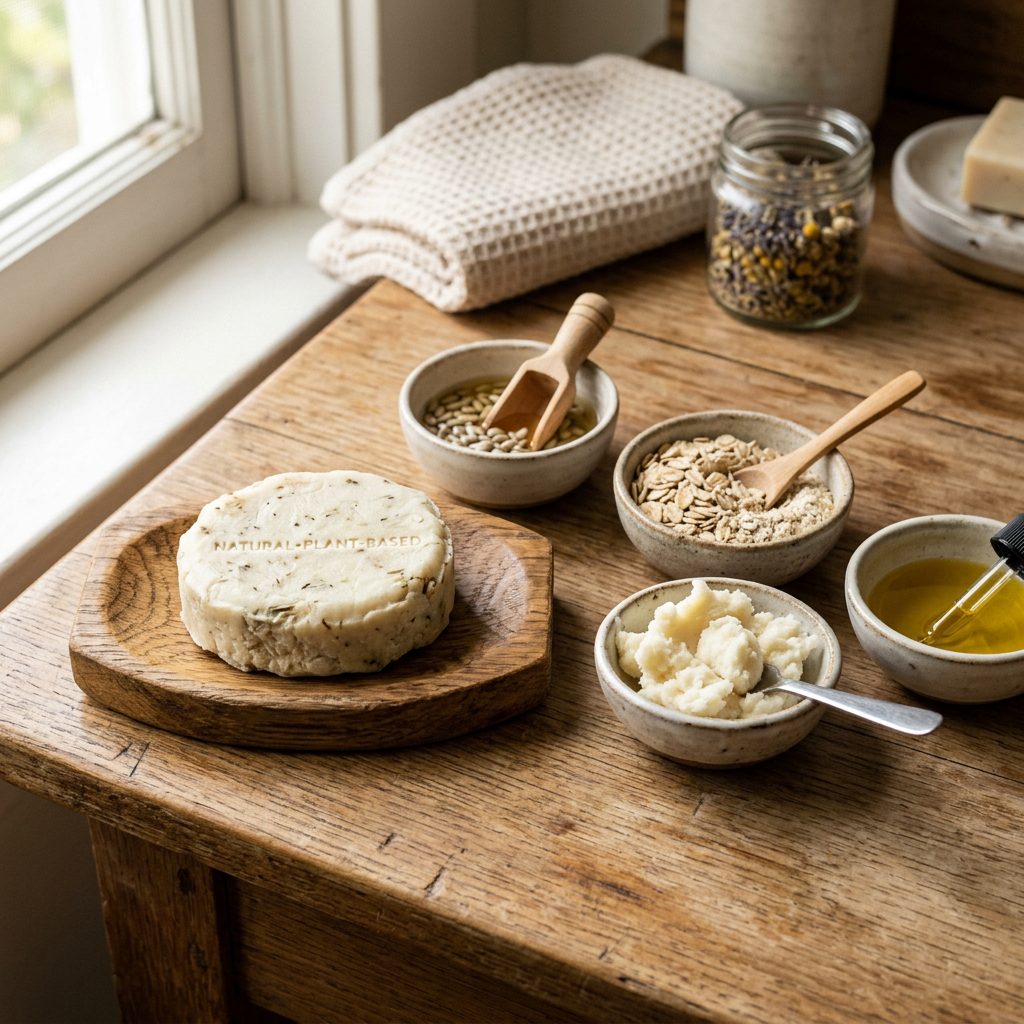
If you’ve ever picked up a “natural” shampoo bar and found yourself faced with coconut oil, shea butter, argan oil, or sweet almond oil — you’re not alone. An estimated 20-30% of people experience sensitivity to coconut-derived ingredients, and tree nut allergies affect millions worldwide.
The frustration? Most eco-friendly shampoo bars are loaded with these ingredients. They’re cheap, effective, and popular — but if you’re allergic, they’re off-limits.
This guide covers everything you need to know about finding safe, effective shampoo bars when coconut and nuts aren’t an option.
Understanding Coconut & Nut Allergies in Hair Products
Coconut Allergy vs. Sensitivity
True coconut allergy is rare (affecting ~0.2% of the population), but coconut sensitivity is far more common:
- Allergic reaction: Hives, swelling, difficulty breathing, anaphylaxis (rare but serious)
- Sensitivity/intolerance: Scalp itching, redness, flaking, irritation, clogged pores (scalp acne)
Even if you can eat coconut, topical coconut products can still cause issues — the proteins in unrefined coconut oil can trigger immune responses on sensitive skin.
Tree Nut Allergies
If you have a tree nut allergy (almond, walnut, pecan, hazelnut, etc.), you need to avoid:
- Sweet almond oil
- Walnut oil
- Argan oil (from argan tree nuts)
- Shea butter (from shea tree nuts — though many with nut allergies tolerate shea)
- Babassu oil (palm-like but sometimes grouped with tree nuts)
- Macadamia oil
Cross-contamination is also a concern if bars are made in facilities that process nut-based products.
Hidden Coconut Ingredients to Avoid
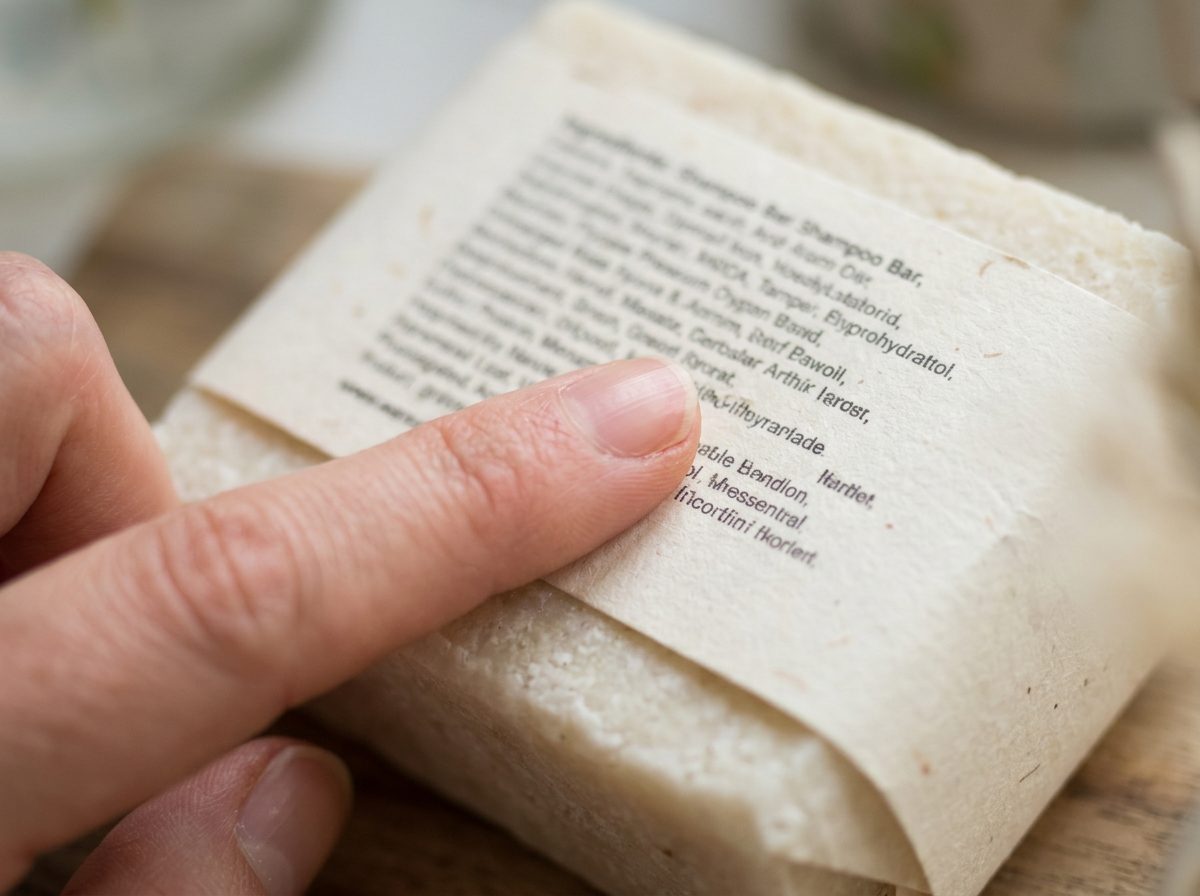
Coconut hides under dozens of chemical names. Here’s what to watch for:
Common Coconut-Derived Ingredients
- Sodium cocoyl isethionate (SCI) — surfactant derived from coconut oil (most shampoo bars use this)
- Coco-betaine / Cocamidopropyl betaine — coconut-based foaming agent
- Sodium coco-sulfate — coconut-derived cleanser (gentler than SLS)
- Cocos nucifera (coconut) oil — straight coconut oil
- Caprylic/capric triglyceride — often coconut-derived (can also be palm)
- Lauric acid / Lauryl alcohol — typically from coconut
- Sodium lauryl sulfate (SLS) / Sodium laureth sulfate (SLES) — often coconut-derived (can also be petroleum or palm)
- Cocoa butter — NOT coconut (it’s from cacao), but name confusion is common
- Cetyl alcohol / Cetearyl alcohol — can be coconut-derived OR synthetic (ask manufacturer)
“Coconut-Free” Doesn’t Mean Allergy-Safe
Many brands advertise “coconut oil-free” but still use SCI or coco-betaine (both coconut-derived). If you’re severely allergic, even processed coconut derivatives can trigger reactions.
What to ask manufacturers: – “Are your surfactants derived from coconut, palm, or synthetic sources?” – “Is this product made in a facility that processes coconut or tree nuts?”
What to Look For in Nut-Free Shampoo Bars
Surfactants (Cleansers) Without Coconut
Finding a shampoo bar without coconut-derived surfactants is tough — but not impossible. Look for:
- Sodium lauryl sulfate (SLS) from synthetic sources — petroleum-based SLS exists (not ideal for eco-conscious buyers, but allergy-safe)
- Sodium cocoyl glutamate — amino acid-based, can be derived from non-coconut sources (ask brand)
- Decyl glucoside — sugar-based surfactant (often corn-derived, gentle)
- Soap-based bars — traditional saponified oils (olive, sunflower, jojoba, castor) without coconut
Warning: Soap-based bars (not detergent-based) can be harsh in hard water — more on that below.
Moisturizing Oils Without Nuts or Coconut
Safe alternatives for hair moisture:
- Olive oil — Mediterranean classic, deeply moisturizing, safe for most allergies
- Sunflower oil — lightweight, vitamin E-rich, non-comedogenic
- Castor oil — thick, strengthening, promotes scalp health
- Jojoba oil — technically a wax (not a nut!), mimics natural sebum
- Avocado oil — rich fatty acids, vitamin-packed, safe for most
- Grapeseed oil — lightweight, won’t weigh hair down
- Hemp seed oil — omega-rich, not psychoactive, allergy-friendly
- Apricot kernel oil — technically a “stone fruit kernel” (NOT a tree nut), but check with allergist if you have severe nut allergies
Butters to avoid: – Shea butter (tree nut — though many tolerate it) – Cocoa butter (safe — it’s from cacao pods, not nuts, but name confusion exists) – Mango butter (stone fruit, generally safe, but verify)
The Hard Water Challenge for Nut-Free Shampoo Bars
Here’s where it gets tricky: Most nut-free shampoo bars are traditional soap bars (made from saponified olive oil, sunflower oil, castor oil). While these are allergy-safe, soap reacts badly with hard water.
What Happens with Soap + Hard Water
Hard water contains dissolved calcium and magnesium. When soap (made through saponification) meets these minerals, it forms soap scum — a waxy, sticky buildup that:
- Coats your hair (dull, greasy, straw-like texture)
- Doesn’t rinse clean (residue accumulates over washes)
- Causes tangles and frizz
- Makes hair look dirty even right after washing
If you live in a hard water area (check your local water report), traditional soap-based bars (even nut-free) may not work well for you.
The Solution: Nut-Free Detergent-based Bars
Detergent-based = “synthetic detergent” — bars made with modern surfactants (not saponified oils). Detergent bars:
- Work beautifully in hard water (no soap scum)
- Rinse completely clean
- Cold-process soap (pH 9–10) — pair with ACV rinse to close cuticles and reduce frizz after washing
The catch: Most detergent bars use SCI (sodium cocoyl isethionate), which is coconut-derived.
What to do: 1. Find detergent bars made with non-coconut surfactants (rare but they exist — look for SLS from synthetic sources, or decyl glucoside) 2. Use traditional soap bars + apple cider vinegar (ACV) rinse to counteract hard water (more on this below) 3. Install a shower filter to soften water (removes minerals)
Apple Cider Vinegar Rinse: The Hard Water Hack
If you’re using a nut-free soap bar in hard water, an ACV rinse is non-negotiable.
Why It Works
- Acidic pH (3.0-5.0) dissolves mineral buildup left by soap + hard water
- Closes hair cuticles (reduces frizz, adds shine)
- Restores hair’s natural pH (soap is alkaline ~9-10, hair should be ~4.5-5.5)
- Prevents waxy buildup over time
How to Use
- After shampooing with bar, rinse thoroughly
- Mix 1-2 tablespoons ACV + 1 cup cool water (use less ACV for fine hair, more for thick/coarse)
- Pour over scalp and hair (focus on areas with most buildup — usually mid-lengths to ends)
- Let sit 1-2 minutes
- Rinse with cool water (or leave in if you like — smell dissipates as hair dries)
Frequency: 1-2x/week minimum in hard water. Daily if severe buildup.
Ingredient Checklist for Nut-Free Shampoo Bars
Use this to vet products:
✅ SAFE (Generally Allergy-Friendly)
- Olive oil
- Sunflower oil
- Castor oil
- Jojoba oil
- Avocado oil
- Grapeseed oil
- Hemp seed oil
- Apricot kernel oil (verify with allergist if severe nut allergy)
- Rice bran oil
- Decyl glucoside (corn/sugar-derived surfactant)
- Sodium cocoyl glutamate (if non-coconut source — ask brand)
- Saponified oils (olive, sunflower, castor — traditional soap)
⚠️ ASK MANUFACTURER (Source Matters)
- Cetyl alcohol / Cetearyl alcohol (coconut, palm, or synthetic?)
- Sodium lauryl sulfate (SLS) — petroleum, coconut, or palm?
- Caprylic/capric triglyceride (coconut or palm?)
- Glycerin (coconut, palm, soy, or synthetic?)
❌ AVOID (Coconut or Tree Nuts)
- Coconut oil (Cocos nucifera)
- Sodium cocoyl isethionate (SCI)
- Coco-betaine / Cocamidopropyl betaine
- Sodium coco-sulfate
- Sweet almond oil
- Argan oil
- Walnut oil
- Macadamia oil
- Shea butter (tree nut — though many tolerate it)
How to Find Nut-Free & Coconut-Free Bars
Read Labels Carefully
Look for “coconut-free” AND “nut-free” claims. If not explicitly stated, assume coconut is present (it’s in 90%+ of shampoo bars).
Contact Brands Directly
If a bar looks promising but ingredients are unclear, email the company:
“Hi, I have a severe coconut allergy. Can you confirm: 1. Are your surfactants derived from coconut, palm, or synthetic sources? 2. Are any ingredients coconut-derived (even if processed)? 3. Is this product made in a facility that processes coconut or tree nuts? Thank you!”
Check for Cross-Contamination
If you have anaphylactic allergies, verify bars are made in dedicated nut-free/coconut-free facilities.
DIY Option
Make your own! Simple soap bars using olive oil + castor oil + lye are nut-free and coconut-free. Many recipes online — but handle lye with care (caustic).
Hard Water Routine for Nut-Free Shampoo Bars
If you’re using nut-free soap bars in hard water, follow this routine for success:
Washing Technique
- Pre-rinse hair 2-3 minutes with warm water (loosens oils/buildup)
- Lather bar in hands (not directly on hair — reduces friction/tangles)
- Apply to scalp and roots (focus cleaning here — hair ends clean with runoff)
- Massage scalp 1-2 minutes (breaks up oils/dirt)
- Rinse thoroughly (section by section, lift hair to reach scalp)
- Apply ACV rinse (1-2 tbsp per cup water)
- Final cool water rinse (closes cuticles, locks in moisture)
Weekly Maintenance
- ACV rinse: 1-2x/week minimum (more if severe hard water)
- Clarifying wash: 1x/month deep cleanse to remove any stubborn buildup
- Deep conditioning mask: 1x/week (use nut-free conditioners — olive oil, avocado oil, or silicone-based)
Troubleshooting
| Problem | Likely Cause | Solution |
|---|---|---|
| Waxy/greasy residue | Soap + hard water buildup | Increase ACV rinse frequency, use shower filter |
| Dry, straw-like hair | Soap’s alkaline pH | ACV rinse after every wash, add moisturizing oils |
| Tangles/knots | Mineral buildup + open cuticles | ACV rinse, detangle before washing, cold final rinse |
| Flat/lifeless hair | Buildup weighing down hair | Clarifying wash, ACV rinse, reduce product use |
| Scalp itching | Allergic reaction OR not rinsing enough | Verify all ingredients safe, rinse 2x as long as you think |
Beyond Shampoo: Nut-Free Hair Care Routine
Conditioner Bars (Nut-Free Options)
Many conditioner bars also rely on coconut-derived ingredients (cetyl alcohol, behentrimonium methosulfate from coconut). Nut-free alternatives:
- Silicone-based conditioners (dimethicone, cyclopentasiloxane — synthetic, not natural but effective and allergy-safe)
- Olive oil-based conditioners
- Jojoba-based leave-in sprays
- Avocado oil masks
Styling Products
Avoid: – Coconut oil serums – Argan oil finishing products – Nut butter-based styling creams
Try: – Grapeseed oil or jojoba for shine – Aloe vera gel for hold (natural, allergy-friendly) – Silicone serums (synthetic but safe)
Special Considerations by Hair Type
Fine/Thin Hair + Allergies
Challenge: Lightweight bars without coconut (which is naturally light).
Solutions: – Soap bars with sunflower oil + castor oil (lighter than olive-only bars) – Minimal conditioning (just ends, not roots) – ACV rinse for volume (removes buildup)
Curly/Coily Hair + Allergies
Challenge: Curly hair needs intense moisture — most moisturizing bars use coconut/shea.
Solutions: – Olive oil-based soap bars (deeply moisturizing) – Avocado oil or grapeseed oil as leave-in – Jojoba oil for sealing – ACV rinse with extra conditioning afterward
Color-Treated Hair + Allergies
Challenge: Need gentle, sulfate-free — but SLS alternatives are often coconut-derived.
Solutions: – Soap-based bars (naturally gentle, no sulfates) – pH-balanced with ACV rinse (prevents color fading from alkaline soap) – Sunflower oil for color protection (vitamin E antioxidant)
Common Mistakes (And How to Avoid Them)
1. Assuming “Natural” = Allergy-Safe
Reality: Natural products are loaded with coconut, nuts, and tree nut oils. Always read labels.
2. Trusting “Coconut Oil-Free” Claims Alone
Reality: Brands may skip coconut oil but still use SCI, coco-betaine, or sodium coco-sulfate (all coconut-derived).
Fix: Ask about surfactant sources specifically.
3. Giving Up After One Wash
Reality: Soap bars + hard water = 2-4 week transition period (waxy/greasy phase).
Fix: Stick with it, use ACV rinse consistently, be patient.
4. Not Rinsing Enough
Reality: Soap residue causes most “bar doesn’t work” complaints.
Fix: Rinse 2x as long as you think you need to. Section hair, lift to scalp.
5. Using Too Much Product
Reality: Bars are concentrated — you need far less than liquid shampoo.
Fix: Lather in hands first, apply sparingly.
Are Nut-Free Shampoo Bars Right for You?
When to Choose Nut-Free Bars
- You have confirmed coconut or tree nut allergies (or strong sensitivities)
- Coconut products cause scalp irritation, breakouts, or itching
- You react to coconut-derived surfactants (SCI, coco-betaine)
- You’re avoiding coconut for personal/environmental reasons (not just allergies)
When to Reconsider
- You have severe hard water and can’t install a shower filter (soap-based bars will struggle)
- You need travel convenience and don’t want to pack ACV (detergent bars are easier)
- You have very damaged/porous hair that needs intense slip (coconut-based bars often perform better)
The Bottom Line
Finding a nut-free, coconut-free shampoo bar is challenging — but not impossible. Your best options:
- Soap-based bars made with olive, sunflower, and castor oils (skip coconut)
- ACV rinse if you have hard water (non-negotiable for soap bars)
- Verify all surfactants with manufacturers (hidden coconut derivatives are common)
- Be patient during transition (2-4 weeks for hair to adjust)
The payoff? Eco-friendly, allergy-safe hair care that works — once you find the right formula.
Frequently Asked Questions
Q: Can I be allergic to coconut in shampoo but not food?
A: Yes. Topical allergies are different from food allergies. Coconut oil proteins on skin/scalp can trigger immune responses even if you eat coconut without issues.
Q: Is shea butter safe if I have tree nut allergies?
A: Maybe. Shea is from a tree nut, but the proteins are different from common tree nut allergens. Many people with nut allergies tolerate shea, but check with your allergist first.
Q: Are soap-based bars as effective as detergent bars?
A: In soft water, yes. In hard water, no — soap reacts with minerals to form buildup. You’ll need ACV rinse or a shower filter.
Q: Can I use coconut-derived surfactants if I’m only sensitive (not allergic)?
A: Maybe. Processed surfactants (like SCI) have coconut proteins largely removed. Some people tolerate them, others don’t. Patch test first (apply to inner elbow for 24 hours, check for reaction).
Q: How do I know if my water is hard?
A: Check your local water report (Google “[your city] water hardness”). Or order a test strip kit (under $10). Hard water = 120+ ppm calcium carbonate.
Q: Will nut-free bars damage my color-treated hair?
A: Soap-based bars (nut-free) are gentle BUT alkaline, which can open cuticles and fade color. Fix: Use ACV rinse immediately after (brings pH back down, seals cuticles, locks in color).
Ready to find your perfect nut-free shampoo bar? Read labels, ask questions, and don’t settle for products that trigger your allergies. Your scalp (and hair) will thank you.
Related reading: the best vegan shampoo bars and the vegan shampoo bar guide.