


Last updated: October 1, 2026
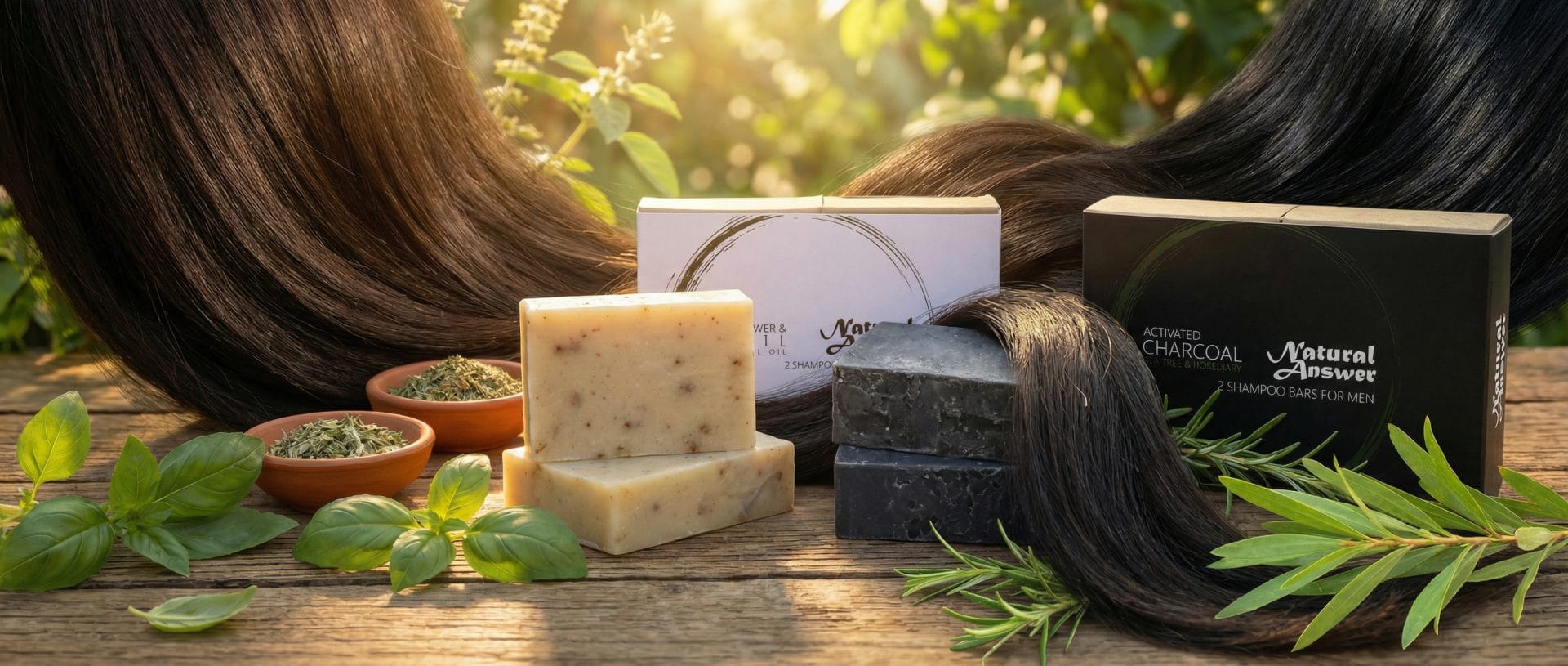
With so many shampoo bars on the market, finding the right one can feel overwhelming. Learning how to choose the best shampoo bar for your specific needs makes all the difference. Not all bars are created equal — ingredients, hair type, and manufacturing processes matter. Here’s your complete guide to help you choose the best shampoo bar for your hair.
Why Switch to a Natural Shampoo Bar?
Before diving into how to choose, let’s be clear about why natural shampoo bars are worth considering:
- No plastic packaging — a single shampoo bar replaces 2-3 plastic bottles
- No sulfates or parabens — your scalp absorbs what you put on it
- Concentrated formula — bars last 60-80 washes on average
- Travel-friendly — no liquid restrictions, no leaks
- Cost-effective — per wash, quality bars beat liquid shampoo
Step 1: Know Your Hair Type to Choose the Best Shampoo Bar
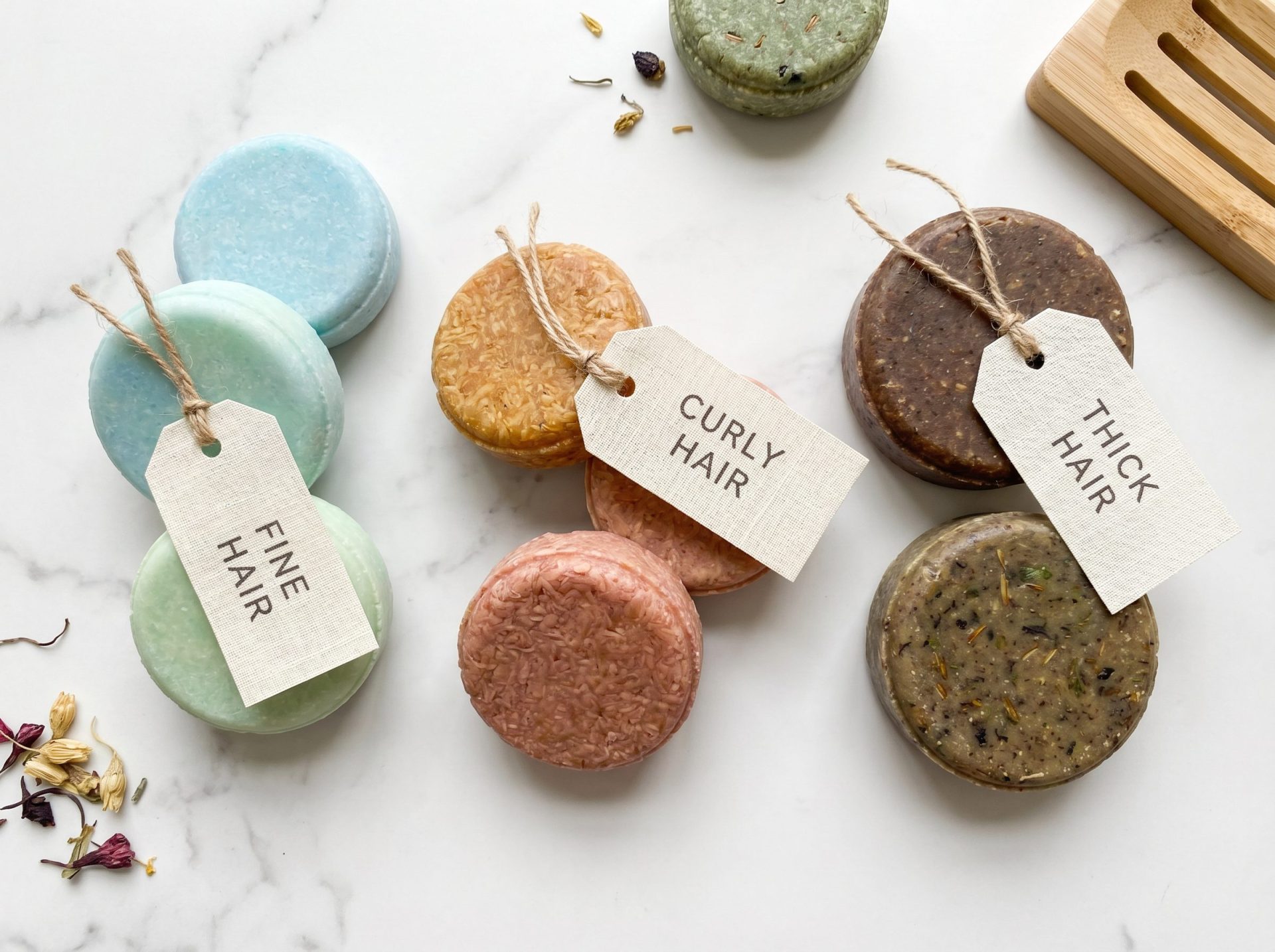
The most important factor in choosing a shampoo bar is matching it to your hair type. Here’s what to look for:
Oily Hair
If your hair gets greasy within a day of washing, look for bars with activated charcoal or kaolin clay. These natural ingredients absorb excess oil without stripping your hair completely. Tea tree essential oil is another excellent ingredient — it regulates sebum production and keeps your scalp fresh.
Dry or Damaged Hair
Dry hair needs moisture and nourishment. Look for bars rich in coconut oil, argan oil, or shea butter. These oils penetrate the hair shaft and provide lasting hydration. Avoid bars with too many astringent essential oils, and consider pairing your shampoo bar with a natural conditioner bar for best results.
Normal Hair
Lucky you — most natural shampoo bars will work well. Look for balanced formulas with gentle essential oils like lavender or lemongrass. These provide a pleasant scent while offering mild scalp benefits without being too strong for your hair.
Sensitive Scalp
If your scalp tends to be irritated or flaky, choose bars with minimal essential oils and soothing ingredients like oatmeal or chamomile. Fragrance-free options exist too. The key is checking that the bar is truly free of synthetic fragrances, not just marketed as “natural.”
Step 2: Check the Ingredients to Choose the Best Shampoo Bar
The word “natural” isn’t regulated, so you need to look beyond the label. Here’s what to watch for:
Green Flags
- Certified organic oils — cold-pressed coconut, olive, or argan oil
- Essential oils — real plant-derived scents (lavender, tea tree, peppermint)
- Natural clays — kaolin, bentonite for cleansing
- Plant butters — shea, cocoa, mango for moisture
- Short ingredient list — if you can read and understand every ingredient, that’s a good sign
Red Flags
- SLS/SLES (Sodium Lauryl/Laureth Sulfate) — harsh detergents, even in “natural” bars
- Palm oil — linked to deforestation; many “eco” brands still use it
- Synthetic fragrance — listed as “parfum” or “fragrance” on the label
- Parabens — preservatives that disrupt hormones
- Silicones — dimethicone and similar create buildup over time
Step 3: Understand the Manufacturing Process
How a shampoo bar is made matters just as much as what goes into it:
Cold-processed bars preserve the beneficial properties of natural oils because they’re not exposed to high heat. This method takes longer but produces a superior bar. Hot-processed and melt-and-pour bars are faster to make but can degrade sensitive ingredients.
Handmade vs. mass-produced also matters. Small-batch production allows for quality control that factory lines can’t match. Many commercial “natural” bars are mass-produced with synthetic binders to speed up manufacturing.
Step 4: The Transition Period
Switching from liquid shampoo to a natural bar? Expect a 2-4 week transition period. Your hair has been coated with silicones and synthetic ingredients for years. When you stop using them, your hair may feel different at first.
Common during transition:
- Hair may feel waxy or heavy (this is buildup being released)
- You might need to wash slightly more often initially
- Your scalp is adjusting its oil production
Tip: An apple cider vinegar rinse (1 tablespoon in a cup of water) after washing can help during the transition. It removes buildup and balances your scalp’s pH.
Step 5: Consider the Full Picture
Beyond ingredients and hair type, think about:
- Is it truly plastic-free? Some bars come wrapped in plastic anyway
- Is it palm oil free? Even “sustainable” palm oil has issues
- Is it vegan? Some bars contain animal fats (tallow, lanolin)
- Where is it made? Local production means lower carbon footprint
- How long does it last? A good bar should give you 60+ washes
Our Recommendation
At Natural Answer, we make every shampoo bar with 100% natural, certified organic ingredients. Every bar is vegan, palm oil free, plastic-free, and cold-processed by hand. We believe you shouldn’t have to compromise between what’s good for your hair and what’s good for the planet.
Whether you have oily hair (try our Charcoal shampoo bar with activated charcoal and tea tree), dry hair (our Gold conditioner bar with argan oil), or just want something that works without the chemicals — we’ve got you covered. Now you know how to choose the best shampoo bar — it’s time to make the switch!
Use code WELCOME10 for 10% off your first order.