



Last updated: October 5, 2026
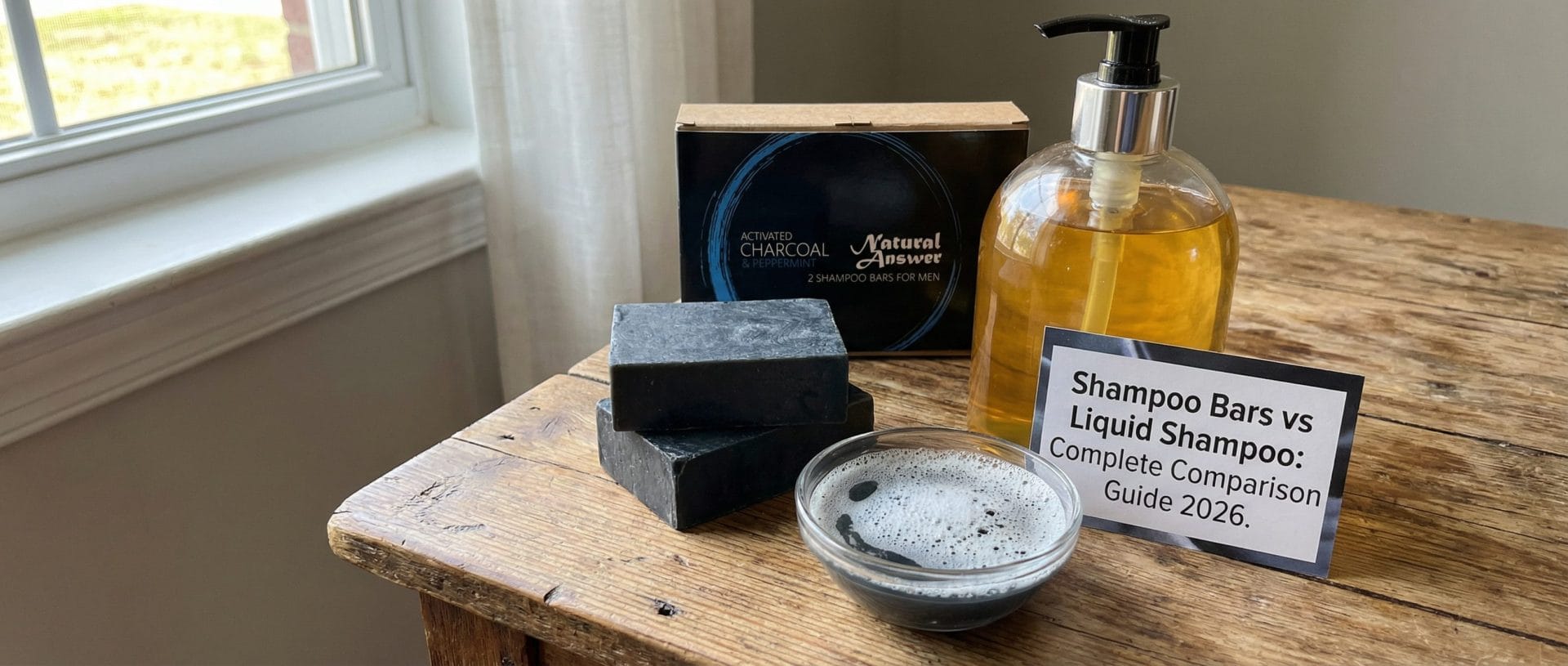
Ready to ditch liquid shampoo? This guide walks you through the transition step by step. Making the switch is easier than you think.
Understanding the Transition Period

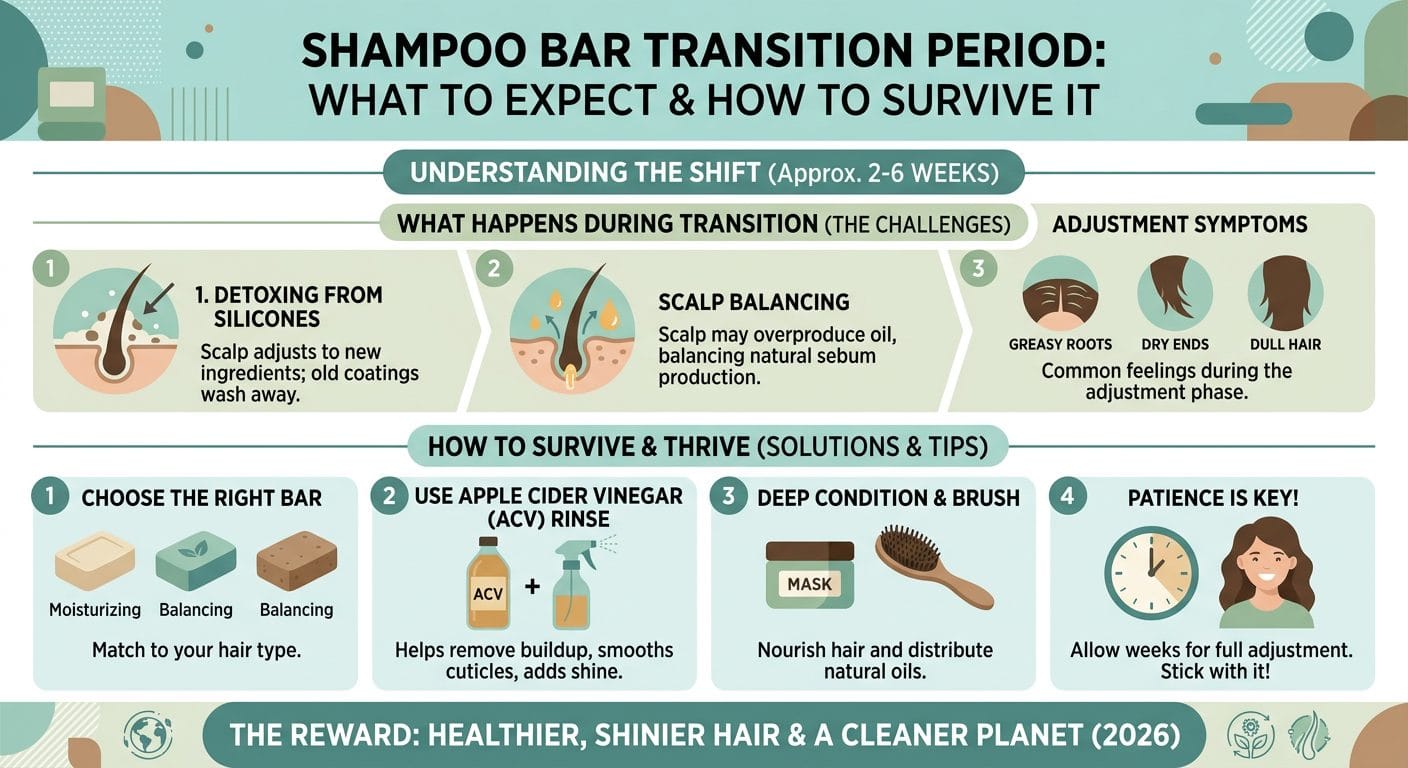
When switching to bar shampoo, expect an adjustment period. This typically lasts 2-4 weeks. During this time, your hair adapts to the new formula.
Why does this happen? Liquid shampoos often contain silicones. These coat your hair strands over time. When you stop using them, your hair needs time to detox and return to its natural state.
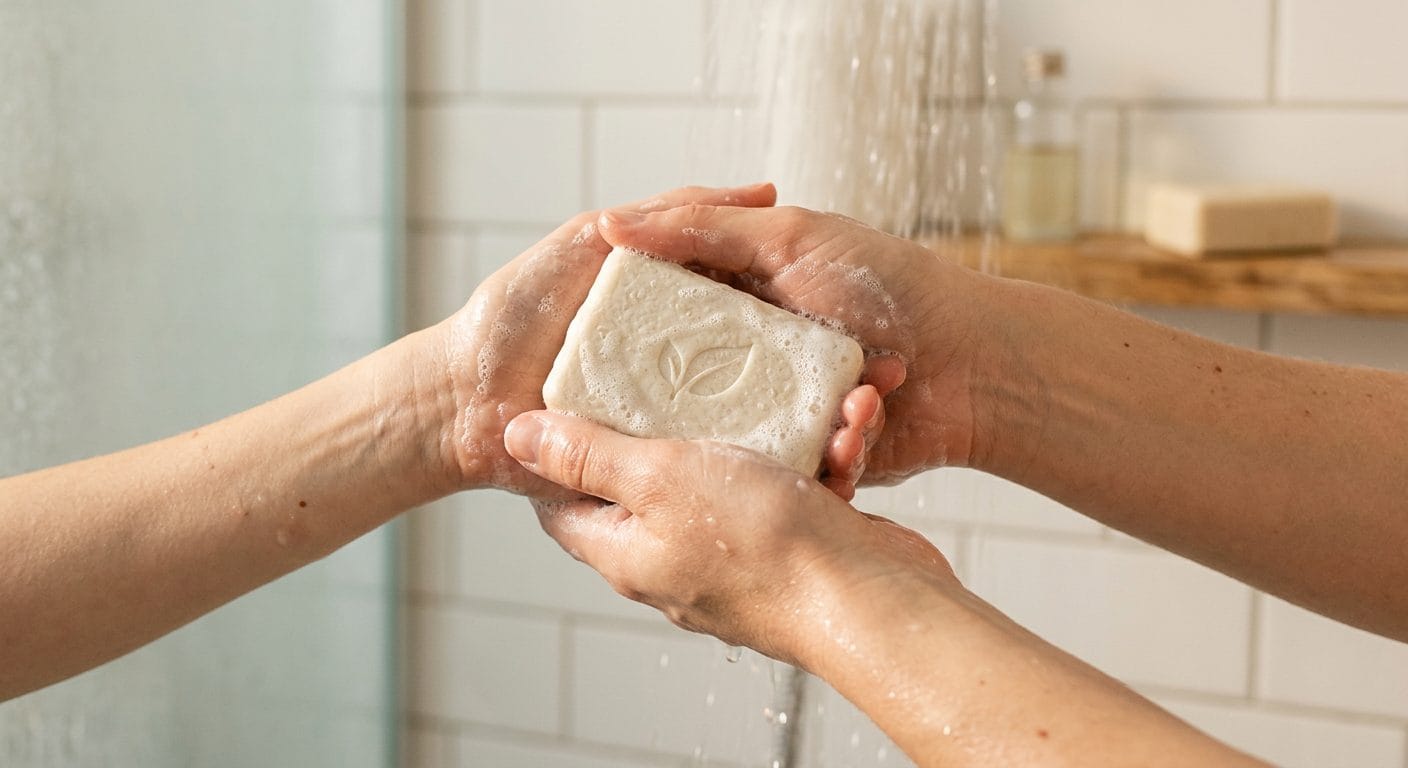
Step-by-Step Transition Guide
Week 1: The Clarifying Phase

Start with a clarifying wash. This removes product buildup from previous shampoos. Consider using an apple cider vinegar rinse as well to help strip residue.
Week 2-3: The Adjustment Phase
Your hair may feel different during this time. It might seem waxy or heavy. However, this is completely temporary and normal. Stay patient and consistent with your new routine.
Week 4+: The Results Phase

By now, your hair should feel great. Many people report healthier, shinier hair after completing the transition. Additionally, styling often becomes easier without silicone buildup.
Tips for a Smooth Transition
- Lather in hands first – This creates better foam distribution
- Use lukewarm water – Hot water strips natural oils
- Dry your bar properly – Extends its life significantly
- Be patient – Results improve over time
- Consider water hardness – Hard water affects lather quality
Troubleshooting Common Issues
Hair feels waxy? Try an apple cider vinegar rinse. Mix 1 part vinegar with 4 parts water. This helps remove buildup and restore shine.
Not enough lather? Your water might be hard. Consider a shower filter or use more product. Different bars also lather differently based on their ingredients.
Scalp feels dry? You may be using too much product. Bar shampoos are concentrated, so a little goes a long way.
Explore Natural Answer shampoo bars for quality options that make transitioning easy.
Last updated: February 2026
Understanding the Transition Period
Switching from liquid to bar shampoo requires patience. Your scalp has adapted to synthetic surfactants (sulfates, SLS, SLES) that strip natural oils and trigger overproduction of sebum. When you switch to genuine cold process soap like Natural Answer Products, your scalp needs 2-4 weeks to recalibrate.
During this adjustment phase, hair may feel greasy, heavy, or waxy. This is completely normal. Your scalp is learning to regulate oil production naturally without being stripped daily by harsh detergents. Cold process soap made from saponified organic plant oils has a gentle pH of 9-10 that cleanses without over-drying.
Week-by-Week Transition Guide
Week 1-2: Hair may feel different – possibly greasy or coated. Use an apple cider vinegar rinse (1-2 tablespoons in 500ml water) after washing to remove buildup and close hair cuticles. Don’t give up.
Week 3-4: Your scalp starts adapting. Greasiness decreases, hair becomes softer. Continue with the acidic rinse 2-3 times per week. Avoid over-washing – this triggers more oil production.
After 4 weeks: Most people experience healthier, shinier hair that stays clean longer. You may find you can wash less frequently. Learn more in our complete guide to shampoo bars.
Hard Water and Waxy Residue Solutions
Hard water (high calcium/magnesium content) reacts with true soap to form calcium soap deposits. This creates a waxy film on hair. Solution: always use an acidic rinse to neutralize these deposits.
Mix 1-2 tablespoons apple cider vinegar or lemon juice in 500ml cold water. Pour over towel-dried hair after washing – do not rinse out. The vinegar smell disappears when dry. This simple step makes a dramatic difference, especially in hard water areas.
Natural Answer Products uses only palm oil-free organic plant oils. Our cold process method preserves the nourishing properties of these oils while creating effective cleansing soap.
Long-Term Benefits and Sustainability
After the transition period, most users report: less frequent washing needed, healthier scalp, shinier hair, reduced dandruff, and elimination of plastic waste. Each Natural Answer Products bar lasts 50-80 washes and replaces 2-3 plastic bottles.
We ship plastic-free from the Netherlands throughout Europe. Our bars are 100% vegan, cruelty-free, and contain no synthetic detergents of any kind. Discover 10 science-backed benefits of using shampoo bars.
Understanding the Science of the Transition
When you switch from liquid to bar shampoo, you’re not just changing products — you’re changing how your scalp works. Liquid shampoos with sulfates strip your scalp’s natural sebum. Your scalp compensates by overproducing oil. When you switch to a gentle bar, your scalp doesn’t know this immediately and keeps overproducing.
This creates the “greasy phase” — usually weeks 1-3. Your scalp is still in overdrive from years of sulfate stimulation. Once it realizes the stripping has stopped, it gradually reduces sebum production to a healthy, balanced level.
Similarly, silicones in liquid conditioners coat each hair strand with a synthetic film. When you stop using them, that film takes 2-4 weeks to fully wash away, revealing your hair’s true condition underneath. This can feel concerning, but it’s actually your hair returning to its natural state.
The Apple Cider Vinegar Protocol
ACV rinses are your best friend during transition. The acid dissolves mineral buildup, closes hair cuticles, and balances pH. Here’s how:
- Standard rinse: 1 tablespoon ACV in 500ml water, pour over hair after shampooing, leave 30 seconds, rinse with cool water
- Hard water rinse: 2 tablespoons ACV in 500ml water, use after every wash
- Maintenance rinse: 1 tablespoon in 1 liter water, once per week after transition
Don’t worry about the vinegar smell — it disappears completely once your hair dries. Add 2-3 drops of lavender or rosemary essential oil if you prefer a pleasant scent.
What to Do When You Want to Quit (Don’t!)
Week 2 is usually the hardest. Your hair feels weird — maybe greasy, waxy, flat, or dry. This is NOT the bar failing. This is your hair detoxing years of synthetic coatings. Here’s how to push through:
- Remind yourself: This phase is temporary and means the transition is working
- Use ACV rinses liberally — they solve 80% of transition problems
- Reduce washing frequency — every other day instead of daily gives your scalp time to adjust
- Avoid heat styling — give your natural texture a chance to emerge
- Take before photos — compare at week 4 and you’ll be amazed at the difference
Transition Timeline by Hair Type
Fine/oily hair: 1-2 weeks. Your scalp adjusts fastest because it naturally produces enough sebum. You’ll see results quickly.
Normal hair: 2-3 weeks. Moderate transition. Some days feel great, others less so. Push through — it’s worth it.
Thick/dry hair: 3-4 weeks. Your hair has more silicone buildup to shed. Be patient and use a deep conditioning mask once per week.
Color-treated hair: 3-4 weeks. Extra care needed — use cool water and cold-process soap bars paired with an acidic rinse to preserve color during transition.
Common Mistakes During Transition
Mistake 1: Using too much product. Bars are 3x concentrated. Start with 3-4 strokes across wet hair. You can always add more.
Mistake 2: Not rinsing long enough. Double your rinsing time. Residue is the #1 cause of transition problems.
Mistake 3: Switching back and forth. This confuses your scalp and restarts the transition clock. Commit for at least 4 weeks.
Mistake 4: Expecting instant results. Your hair took years to become dependent on silicones. Give it weeks to recover.
Long-Term Results: What to Expect
After 4-6 weeks of consistent use, the vast majority of users report:
- Natural volume without styling products
- Reduced need to wash (2-3 times per week instead of daily)
- Shine that comes from healthy hair, not silicone coating
- Less breakage and fewer split ends
- Scalp issues (dandruff, itching) significantly reduced
- Savings of £15-25 per year compared to premium liquid shampoos
Ready to start? Our palm oil-free bars make transition easier — cold-process soap (pH 9–10) with an optional ACV rinse for hard water areas.