


Last updated: September 28, 2026
Why Dandruff Keeps Coming Back — and How Shampoo Bars Can Help

Dandruff affects roughly 50% of adults worldwide, yet most people cycle through anti-dandruff shampoos without ever addressing the root cause. The medicated shampoos that line supermarket shelves — Head & Shoulders, Nizoral, Selsun Blue — work by suppressing symptoms with zinc pyrithione, ketoconazole, or selenium sulfide. Stop using them, and the flakes return within weeks.
Shampoo bars offer a fundamentally different approach. Instead of medicating the symptom, the right bar addresses the underlying scalp environment that allows dandruff to thrive.
What Actually Causes Dandruff
Despite common belief, dandruff is not caused by dry skin. The primary culprit is a yeast-like fungus called Malassezia globosa that lives on every human scalp. It feeds on sebum (scalp oil) and produces oleic acid as a byproduct. In roughly half the population, the scalp reacts to this oleic acid with inflammation, irritation, and accelerated skin cell turnover — visible as white or yellow flakes.
This means effective dandruff treatment needs to do one or more of these things:
- Control Malassezia population — reduce the fungus that produces the irritant
- Regulate sebum production — less food for the fungus means less oleic acid
- Reduce scalp inflammation — calm the immune response that creates flakes
- Normalise cell turnover — slow down the rapid shedding of skin cells
How Shampoo Bars Address Dandruff
Cold Process Soap Bars
Cold process shampoo bars made from saponified plant oils have a naturally alkaline pH (9-10). This alkalinity creates an environment that’s less hospitable to Malassezia, which thrives in acidic to neutral pH (4.5-6.5). While this doesn’t eliminate the fungus entirely, it disrupts its growth cycle.
Additionally, many plant oils used in cold process bars have natural antifungal properties:
- Coconut oil — contains lauric acid, a proven antifungal agent
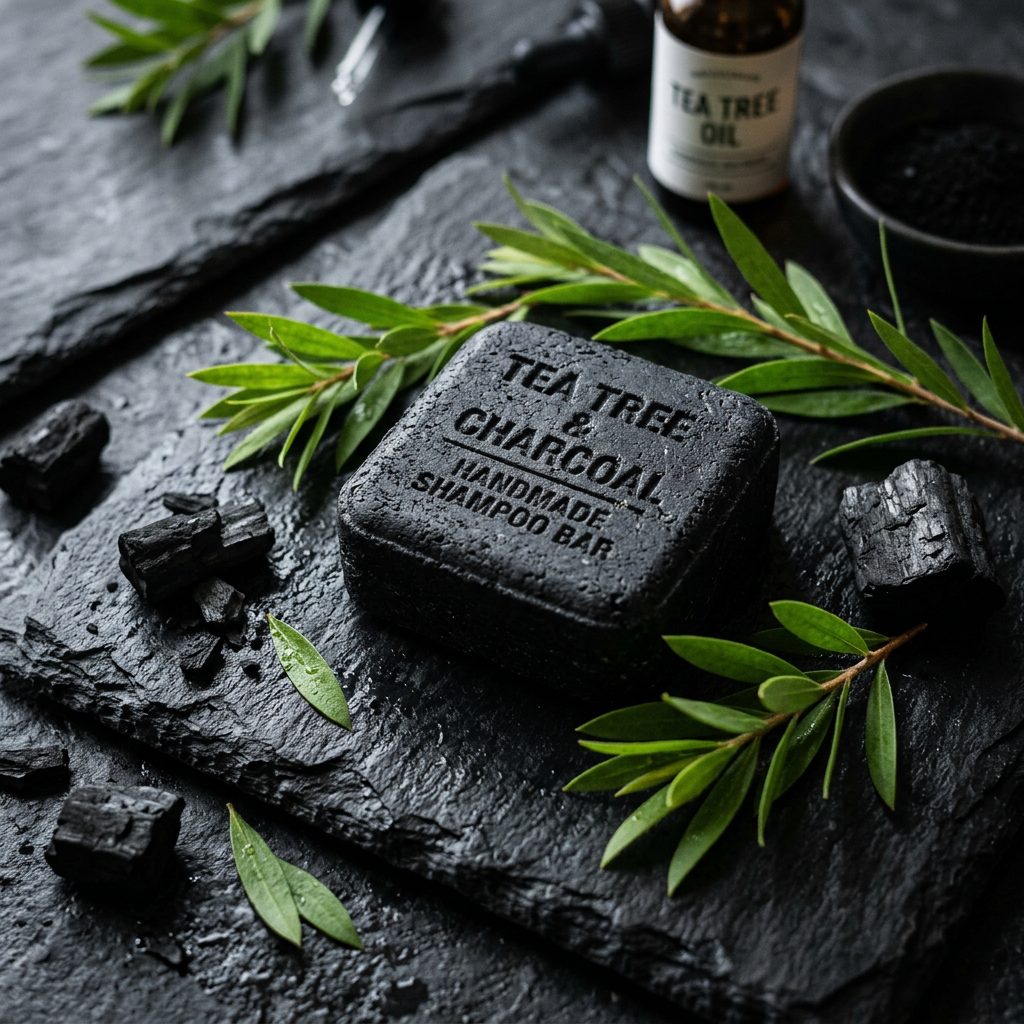
- Tea tree essential oil — clinical studies show 5% tea tree oil reduces dandruff severity by 41%
- Neem oil — traditional antifungal used for centuries in Ayurvedic medicine
- Castor oil — contains ricinoleic acid with anti-inflammatory properties
The key advantage of cold process bars is that they contain no synthetic preservatives, SLS, or silicones — all of which can irritate a sensitive, dandruff-prone scalp and make the condition worse.
Detergent-based Bars for Dandruff
Detergent-based (synthetic detergent) bars are pH-balanced at 5-6. Some people find the pH-neutral approach gentler on an inflamed scalp. However, detergent bars often contain additional ingredients that may contribute to buildup and irritation over time.
For dandruff specifically, cold process bars tend to outperform detergent bars because the alkaline environment actively discourages fungal growth, while the natural glycerine produced during saponification moisturises without clogging follicles.
The Best Anti-Dandruff Shampoo Bar Ingredients
| Ingredient | Mechanism | Evidence Level |
|---|---|---|
| Tea tree oil | Antifungal + anti-inflammatory | Strong — multiple clinical trials |
| Coconut oil (saponified) | Lauric acid is antifungal | Strong — well-documented |
| Activated charcoal | Absorbs excess sebum, deep cleanses | Moderate — mechanism-based |
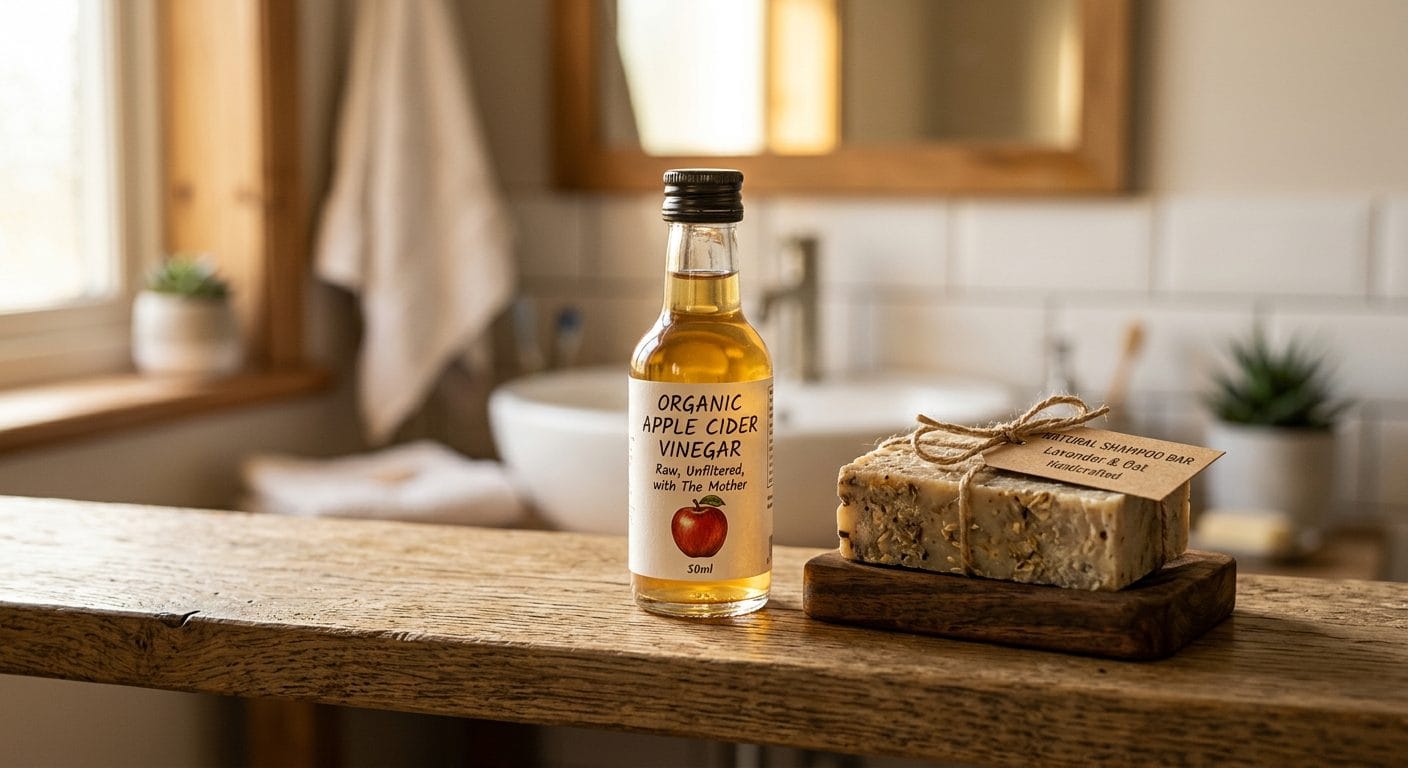
| Apple cider vinegar rinse | Restores scalp acid mantle after wash | Traditional + pH science |
| Neem oil | Antifungal, anti-inflammatory | Moderate — traditional + lab studies |
| Rosemary extract | Stimulates circulation, anti-inflammatory | Moderate — growing evidence |
| Salicylic acid (willow bark) | Exfoliates dead skin cells | Strong — dermatological standard |
Step-by-Step: Using a Shampoo Bar for Dandruff
- Wet your scalp thoroughly — spend a full minute under warm (not hot) water
- Lather the bar in your hands — build up a rich lather before touching your scalp
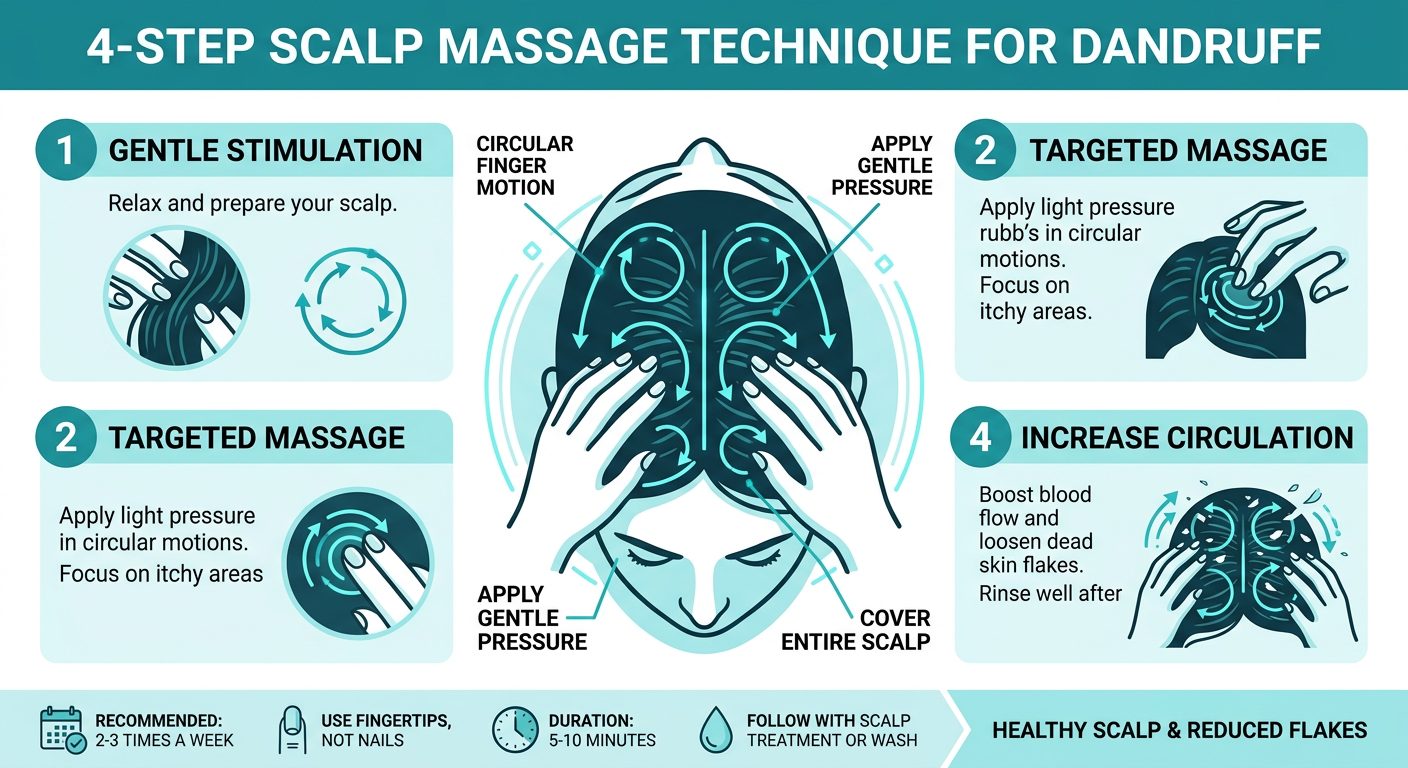
- Apply to the scalp only — use fingertips (never nails) in gentle circular motions
- Leave the lather on for 2-3 minutes — this gives active ingredients time to work on the scalp
- Rinse thoroughly — residue on a dandruff-prone scalp will worsen the condition
- Apple cider vinegar rinse — 1 tablespoon ACV in 500ml cool water, pour over scalp, wait 30 seconds, rinse
- Pat dry gently — avoid rough towelling which irritates an inflamed scalp
The Transition Period and What to Expect
When switching from a medicated anti-dandruff shampoo to a natural bar, expect a transition period of 3-6 weeks. During this time:
- Weeks 1-2: Dandruff may temporarily worsen. Your scalp has been dependent on anti-fungal medication and needs time to establish its own balance.
- Weeks 2-4: Sebum production stabilises. The scalp stops overproducing oil (a common response to sulfate-based shampoos).
- Weeks 4-6: Most people see significant improvement. Flakes reduce, itching decreases, scalp feels healthier.
Important: If you have seborrheic dermatitis (severe, persistent dandruff with red, scaly patches), consult a dermatologist. Shampoo bars work well for common dandruff but severe cases may need medical treatment alongside natural care.
Hard Water and Dandruff: A Common Problem
Hard water areas pose a double challenge for dandruff sufferers using shampoo bars. Mineral deposits from hard water can build up on the scalp, trapping dead skin cells and creating more visible flakes — even when the underlying dandruff is improving.
Solutions:
- Always use an ACV rinse — this is non-negotiable in hard water areas, as it dissolves mineral deposits
- Install a shower filter — reduces calcium and magnesium at the source
- Do a clarifying wash monthly — use a diluted baking soda solution (1 tsp in 500ml) before your regular bar wash to strip mineral buildup
How Often to Wash a Dandruff-Prone Scalp
Contrary to popular advice about washing less frequently, dandruff-prone scalps often benefit from more regular washing — at least every 2-3 days. This is because Malassezia feeds on sebum, and allowing oil to accumulate for too long gives the fungus more food.
With a gentle cold process shampoo bar and ACV rinse, you can wash every 2 days without stripping your scalp. The natural glycerine in cold process bars prevents the over-drying that triggers rebound oil production.
Natural Remedies to Combine with Your Shampoo Bar
- Tea tree oil scalp treatment: Add 2-3 drops of tea tree oil to a tablespoon of carrier oil (jojoba or sweet almond). Massage into scalp 30 minutes before washing.
- Apple cider vinegar soak: Once a week, apply undiluted ACV directly to the scalp with a cotton pad, wait 15 minutes, then wash with your bar.
- Scalp massage: 5 minutes of daily scalp massage with fingertips improves circulation and helps regulate sebum production.
- Diet: Zinc, B vitamins, and omega-3 fatty acids all support scalp health. Dandruff is more common in people with zinc deficiency.
Frequently Asked Questions
Can a shampoo bar cure dandruff permanently?
Dandruff is a chronic condition — it can be managed but not permanently cured. However, many people find that switching to a natural shampoo bar with an ACV rinse reduces symptoms to the point where dandruff is no longer noticeable. The key is consistency.
Which is better for dandruff: soap-based or detergent bars?
For most people, cold process soap bars with tea tree oil work better because the alkaline pH discourages Malassezia growth and the natural ingredients are less irritating than synthetic surfactants. The ACV rinse afterwards restores the scalp’s natural pH.
Will shampoo bars make my dandruff worse at first?
Possibly, for the first 2-3 weeks. This is your scalp adjusting to life without medicated shampoo. If dandruff hasn’t improved after 6 weeks of consistent use, try a different bar or consult a dermatologist.
Can I use a shampoo bar with my medicated shampoo?
Yes. A good transition strategy is to alternate — use your medicated shampoo 2-3 times per week and your bar on other days, gradually reducing the medicated washes over 4-6 weeks.