


Last updated: October 15, 2026
Do Shampoo Bars Work? Science, Benefits & Common Myths Debunked
Introduction
If you’re considering switching to shampoo bars, you’ve probably wondered: do shampoo bars actually work? It’s a fair question. For decades, we’ve been conditioned to believe that effective hair care must come in a plastic bottle with a long list of synthetic ingredients.
The short answer is yes, shampoo bars work—and in many cases, they work better than liquid shampoos. But like any hair care product, their effectiveness depends on choosing the right formula for your hair type and using them correctly.
This guide dives into the science behind shampoo bars, explores their benefits, debunks common myths, and helps you understand whether they’re the right choice for your hair.

How Shampoo Bars Work: The Science
The Cleansing Mechanism
Shampoo bars work using the same basic principle as liquid shampoos: surfactants that lift dirt, oil, and product buildup from your hair and scalp. The main difference is the format—bars are concentrated and don’t contain 70-80% water like liquid shampoos.
Key surfactants in quality shampoo bars:
- Sodium Cocoyl Isethionate (SCI): A gentle, coconut-derived surfactant that creates rich lather without stripping hair
- Sodium Coco-Sulfate: A milder alternative to harsh sulfates like SLS
- Decyl Glucoside: A plant-derived, ultra-gentle surfactant ideal for sensitive scalps
- Coco-Glucoside: Another mild, biodegradable cleanser from coconut and fruit sugars
Why Concentration Matters
A typical liquid shampoo contains:
- 70-80% water
- 10-15% surfactants
- 5-10% conditioning agents and preservatives
- 1-5% fragrance and other additives
A quality shampoo bar contains:
- 0% water (or minimal moisture)
- 30-50% surfactants
- 20-30% nourishing oils and butters
- 10-20% conditioning agents
- Natural essential oils for fragrance
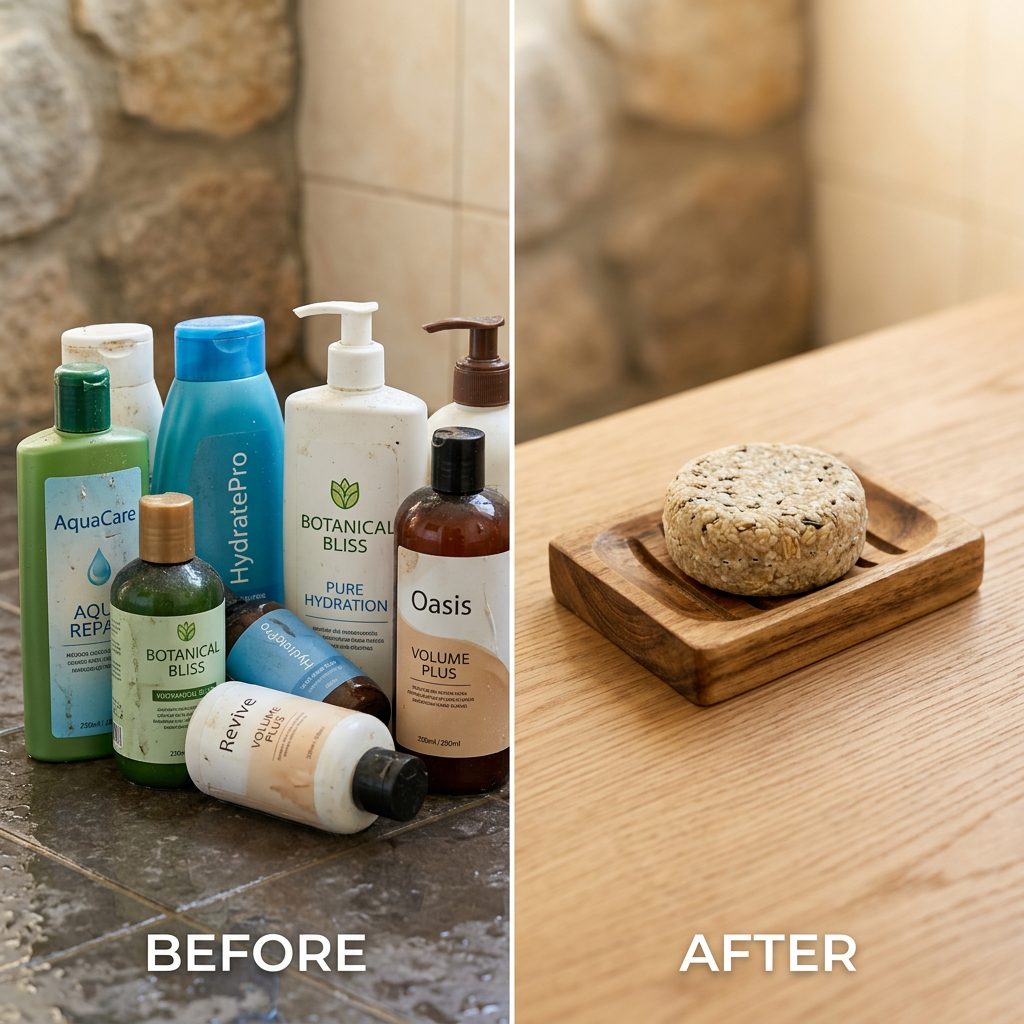
The result? One shampoo bar (70-90g) lasts as long as 2-3 bottles of liquid shampoo because you’re getting concentrated active ingredients without the water weight.
pH Balance and Hair Health
Healthy hair has a pH of 4.5-5.5 (slightly acidic). Many traditional bar soaps have a pH of 9-11 (alkaline), which can:
- Lift the hair cuticle
- Cause frizz and tangles
- Strip natural oils
- Lead to dryness and breakage
Modern shampoo bars are formulated to be pH-balanced (4.5-6.5), making them as gentle on hair as quality liquid shampoos. This is achieved through:
- Using mild synthetic surfactants (not true soap)
- Adding natural ingredients or other pH adjusters
- Incorporating conditioning ingredients
Important: Not all shampoo bars are created equal. Traditional “soap bars” marketed for hair are very different from modern natural shampoo bars (synthetic detergent bars) specifically formulated for hair care.
Do Shampoo Bars Really Clean Hair Effectively?
Clinical Evidence
Studies on solid shampoo formulations have shown:
- Cleaning efficacy: Properly formulated shampoo bars remove sebum, dirt, and styling product buildup just as effectively as liquid shampoos
- Gentleness: Sulfate-free shampoo bars can be gentler on color-treated hair and sensitive scalps compared to harsh liquid formulas
- Scalp health: The concentrated nourishing ingredients in quality bars can improve scalp condition over time
Real-World Performance
Thousands of users report that shampoo bars:
- ✅ Create rich, creamy lather
- ✅ Rinse out completely (when used correctly)
- ✅ Leave hair feeling clean without being stripped
- ✅ Reduce the need for conditioner (thanks to built-in conditioning agents)
- ✅ Improve hair health over weeks/months of use
What About Hard Water?
Hard water is the #1 reason people struggle with shampoo bars. When hard water (high in calcium and magnesium) mixes with soap-based bars, it creates soap scum—a waxy residue that coats hair.
Solutions:
- Use cold-process soap bars with an ACV rinse (the rinse neutralizes mineral deposits so the soap rinses completely clean)
- Use a cleansing shampoo bar plus an acidic rinse to clear mineral buildup
- Install a shower filter to reduce water hardness
- Do an apple cider vinegar rinse monthly to remove any buildup
Natural Answer Products shampoo bars are cold-process soap (pH 9–10), 6 organic plant oils saponified with lye. In hard water, pair them with an ACV rinse to prevent soap scum buildup.
Benefits of Shampoo Bars (Backed by Facts)
Environmental Benefits
Plastic reduction:
- Each shampoo bar replaces 2-3 plastic bottles
- In the EU alone, over 500 million shampoo bottles are used annually
- Most shampoo bottles are not recycled (contamination, mixed plastics)
Carbon footprint:
- Shampoo bars weigh 90% less than liquid equivalents
- Lower shipping emissions (less weight + compact packaging)
- No water transport (you’re not paying to ship water across continents)
Water conservation:
- Manufacturing liquid shampoo requires significant water use
- Bars eliminate this entirely in production
Biodegradability:
- Natural shampoo bars with plant-based ingredients break down harmlessly
- No microplastics, no synthetic preservatives entering waterways
Economic Benefits
Cost-effectiveness:
- One shampoo bar (€8-15) lasts 2-3 months with daily use
- Equivalent liquid shampoo (€6-12 per bottle × 2-3 bottles) = €12-36
- Savings: 20-50% over time
Travel savings:
- TSA-friendly (no liquid restrictions)
- No spills or leaks in luggage
- Takes up minimal space
Hair Health Benefits
Gentler cleansing:
- Sulfate-free formulas don’t strip natural oils
- Less dryness and damage over time
- Better for color-treated hair (less fading)
Scalp health:
- Nourishing oils (coconut, olive, argan) condition scalp
- Fewer synthetic ingredients = lower allergy risk
- Natural essential oils have antimicrobial properties
Reduced chemical exposure:
- No parabens, sulfates, or silicones in quality natural bars
- Fewer preservatives needed (low moisture = less bacterial growth)
- Transparent ingredient lists (easier to avoid allergens)
Common Myths About Shampoo Bars (Debunked)
Myth 1: “Shampoo Bars Leave Waxy Buildup”
Truth: This happens with soap-based bars in hard water, not modern natural shampoo bars.
Why the myth persists:
- Many people’s first experience was with traditional soap bars (like Castile soap) marketed for hair
- These react with hard water minerals to create soap scum
- Modern shampoo bars use different chemistry (synthetic detergents) that don’t have this problem
Solution: Choose natural shampoo bars specifically formulated for hair, especially if you have hard water.
Myth 2: “Bars Don’t Lather Well”
Truth: Quality shampoo bars create just as much lather as liquid shampoos—sometimes more.
Why the myth persists:
- Low-quality or all-natural bars may skimp on surfactants
- User error (not wetting hair enough, not rubbing bar properly)
- Confusion with traditional soap bars (which lather less than modern formulas)
Solution: Wet hair thoroughly, rub bar directly on scalp in circular motions, and add more water if needed.
Myth 3: “You Need to Use Vinegar Rinses”
Truth: It depends on the bar. With a syndet (pH 5–6) shampoo bar, vinegar rinses are optional. With a cold-process soap bar (pH 9–10, like Natural Answer), a diluted apple cider vinegar rinse is part of the routine: it closes the cuticle and removes mineral buildup in hard water.
Why the myth persists:
- Necessary for high-pH soap bars (to restore hair’s acidic pH)
- Early adopters used soap bars, so the advice stuck
- It does not apply to syndet bars, which sit closer to hair’s natural pH
When vinegar rinses help:
- Every wash with a cold-process soap bar (pH 9–10)
- If you have hard water (to remove mineral buildup)
- Monthly clarifying treatment with a syndet bar
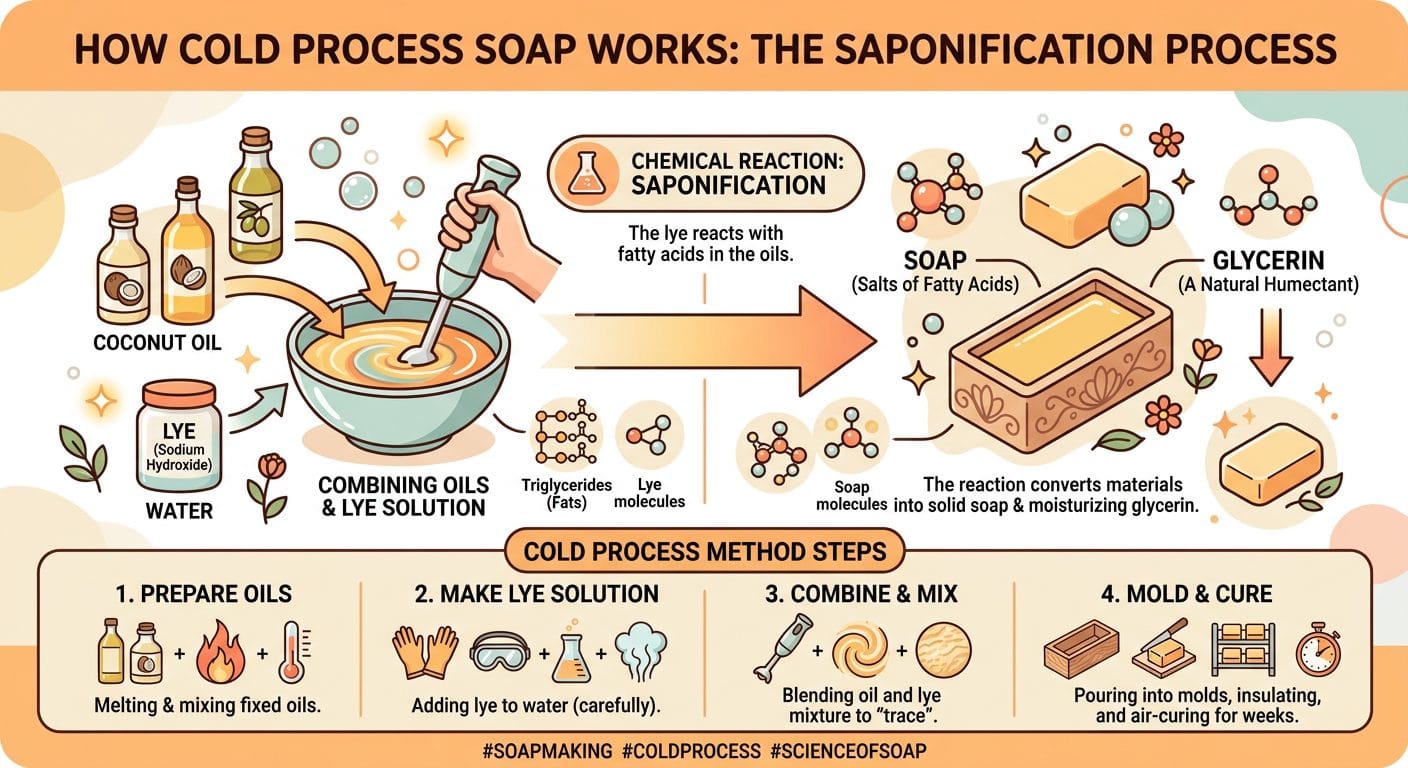
Myth 4: “Shampoo Bars Are Just Soap”
Truth: Many modern shampoo bars use synthetic detergents (syndet, pH 5–6). Some, like Natural Answer, are cold-process soap (saponified plant oils, pH 9–10)—a genuine shampoo bar type with different chemistry.
The difference:
| Soap Bars (e.g., Castile) | Modern Shampoo Bars |
|—————————|———————|
| pH 9-11 (alkaline) | pH 4.5-6.5 (balanced) |
| Saponified oils (true soap, e.g. Natural Answer) | Synthetic surfactants (SCI, SCS) |
| Creates soap scum in hard water | Works in all water types |
| Drying, opens hair cuticle | Gentle, conditions hair |
Solution: For syndet bars, look for “pH-balanced” (pH 5–6). For cold-process soap bars (pH 9–10), pair with an ACV rinse to close the cuticle and manage hard water. Both are valid shampoo bars.
Myth 5: “Transition Period Is Always Awful”
Truth: Many people have zero transition period with quality shampoo bars.
Why some people struggle:
- Switching from silicone-heavy products (need clarifying wash first)
- Hard water + soap-based bars (see myth #1)
- Low-quality bars that don’t suit their hair type
How to avoid transition issues:
- Do a clarifying wash before switching
- Choose a shampoo bar matched to your hair type
- Use a natural shampoo bar if you have hard water
- Be patient (2-4 weeks for scalp to adjust oil production)
Many users report immediate improvement in hair texture and manageability.
Myth 6: “Bars Don’t Work for All Hair Types”
Truth: There are shampoo bars formulated for every hair type—you just need to choose the right one.
Available formulas:
- Dry/damaged hair: Bars with shea butter, argan oil, proteins
- Oily hair: Bars with clay, charcoal, tea tree oil
- Curly hair: Moisturizing bars with coconut oil, glycerin
- Fine hair: Lightweight bars without heavy oils
- Color-treated: Sulfate-free, pH-balanced bars
- Sensitive scalp: Fragrance-free, ultra-gentle formulas
The key: Match the bar to your needs, just like you would with liquid shampoo.
Myth 7: “Shampoo Bars Are Unhygienic”
Truth: Shampoo bars are more hygienic than liquid shampoos in bottles.
Why bars are cleaner:
- Low moisture content prevents bacterial growth
- You’re not sticking fingers into a bottle (contamination risk)
- Surfactants have natural antimicrobial properties
- Proper storage (dry soap dish) keeps bars clean
Proper storage:
- Use a soap dish with drainage
- Keep bar dry between uses
- Avoid leaving in standing water
Myth 8: “Homemade Bars Are Just as Good”
Truth: DIY soap bars and professional shampoo bars are very different products.
Why professional formulation matters:
- pH testing: Ensuring proper acidity for hair health
- Surfactant balance: Creating effective cleansing without stripping
- Stability testing: Preventing rancidity, ensuring shelf life
- Safety: Proper preservatives (if needed), skin-safe concentrations
DIY risks:
- Lye soap (saponification) creates high-pH bars unsuitable for hair
- Incorrect ratios can damage hair or irritate scalp
- No quality control or safety testing
When DIY works: If you have experience formulating cosmetics and access to proper ingredients (SCI, preservatives, pH strips).
Who Should (and Shouldn’t) Use Shampoo Bars?
Shampoo Bars Are Ideal For:
✅ Eco-conscious consumers looking to reduce plastic waste
✅ Frequent travelers who need TSA-friendly, spill-proof options
✅ People with hard water (choose natural shampoo bars)
✅ Those sensitive to synthetic fragrances/preservatives
✅ Anyone wanting to simplify their routine (bars often replace conditioner)
✅ Color-treated hair (sulfate-free bars preserve color longer)
✅ Minimalists (one bar = shampoo + body wash for some)
When to Approach with Caution:
⚠️ Very hard water + soap-based bars (choose natural or install water filter)
⚠️ Heavily silicone-dependent hair (do clarifying wash first, expect adjustment)
⚠️ Extremely damaged hair (may need liquid deep conditioners in addition)
When Liquid Might Be Better:
🚫 Severe scalp conditions requiring medicated shampoo (though some therapeutic bars exist)
🚫 Professional salon color right after treatment (use salon-recommended products first)
How to Make Shampoo Bars Work for You
Choosing the Right Bar
- Identify your hair type:
– Oily scalp? → Clarifying bars with clay/charcoal
– Dry/curly? → Moisturizing bars with oils/butters
– Fine hair? → Lightweight, volume-boosting formulas
– Color-treated? → Sulfate-free, pH-balanced bars
- Check the ingredient list:
– First ingredient should be a surfactant (SCI, SCS, Decyl Glucoside)—not oil
– Cold-process soap shows Sodium Hydroxide (lye) or saponified oils on the list — pairs well with an ACV rinse in hard water
– Look for nourishing oils (coconut, olive, argan, jojoba)
– Optional: Proteins (keratin, silk), botanical extracts, essential oils
- Verify pH balance:
– Quality brands list pH on their website (look for 4.5-6.5)
– If unlisted, contact the company or look for reviews
- Consider water hardness:
– Hard water? Choose natural shampoo bars explicitly marketed for hard water
– Look for cleansing ingredients: vinegar, citric acid or sodium citrate
Proper Usage Technique
- Wet hair thoroughly (30 seconds under warm water)
- Wet the shampoo bar under running water
- Rub bar directly on scalp in circular motions (10-15 seconds per section)
- Set bar aside and massage scalp with fingers to create lather
- Work lather through hair lengths (less scrubbing = less tangles)
- Rinse thoroughly (add extra rinse time compared to liquid shampoo)
- Condition ends if needed (many bars reduce conditioner need)
Pro tip: If you struggle with direct application, rub bar between hands to create lather, then apply to hair.
Storage for Maximum Lifespan
- Use a soap dish with drainage holes
- Keep bar dry between uses (elevated, not sitting in water)
- Store away from shower spray when not in use
- Let bar air-dry (ventilated soap dish works best)
Proper storage extends bar life by 50%+ and prevents mushiness.
Dealing with the Transition Period (If It Happens)
Week 1-2: Hair may feel different as scalp adjusts oil production
Week 3-4: Most people notice improvement in texture and manageability
Week 6+: Hair often feels healthier, shinier, less greasy
If struggling:
- Do an apple cider vinegar rinse (1 part vinegar : 4 parts water)
- Try a different bar (your first choice might not match your hair type)
- Check water hardness and switch to natural shampoo bar if needed
- Be patient—it takes time for scalp to adjust after years of sulfates
Many people skip the transition entirely with the right bar choice.
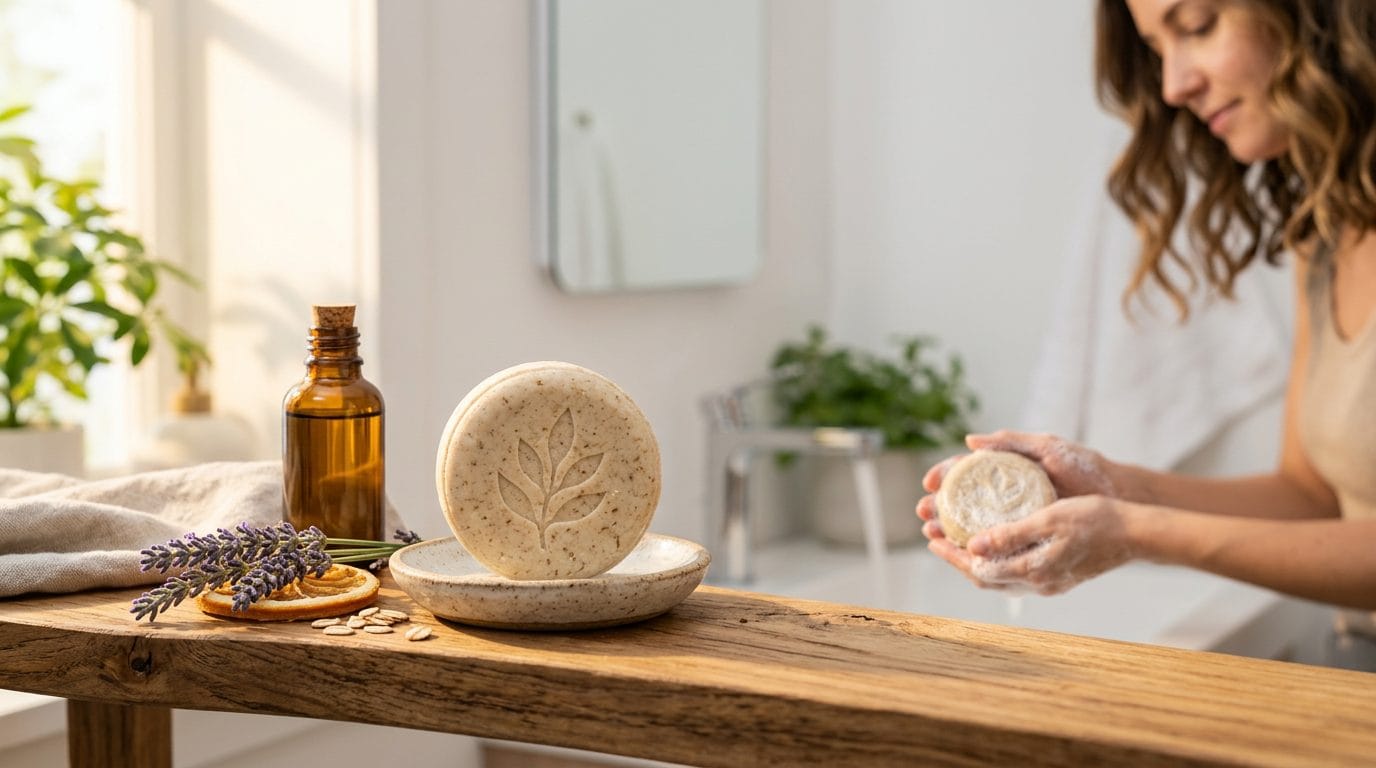
Natural Answer Products: Shampoo Bars That Actually Work
Our shampoo bars are formulated to address the common problems people face:
✅ Cold process soap (pH 9–10) → 6 organic plant oils saponified with lye
✅ Superfatted formula → Gentle on hair and scalp; pair with an apple cider vinegar rinse in hard water
✅ Sulfate-free → Clean without stripping natural oils
✅ Palm oil-free → Eco-friendly from start to finish
✅ Vegan & cruelty-free → No animal ingredients or testing
✅ Handmade in small batches → Quality control and freshness
✅ No silicones or parabens → Clean, natural ingredients
✅ Lasts 2-3 months → Cost-effective and sustainable
We ship across Europe and offer a satisfaction guarantee because we’re confident our bars work.
Scientific References & Further Reading
- Surfactant chemistry in hair care: International Journal of Cosmetic Science, “Mild surfactants for personal care products”
- pH and hair health: Journal of Dermatological Science, “Effect of pH on hair fiber properties”
- Hard water effects on hair: International Journal of Trichology, “Water quality and hair health”
- Sustainable personal care: Environmental Science & Technology, “Life cycle assessment of solid vs. liquid personal care products”
Conclusion: Yes, Shampoo Bars Work (When Done Right)
The bottom line: Quality shampoo bars clean hair just as effectively as liquid shampoos—sometimes better—while offering environmental, economic, and health benefits.
Keys to success:
- Choose a modern natural shampoo bar, not traditional soap
- Match the formula to your hair type
- Use proper technique (wet thoroughly, rinse completely)
- Store correctly (dry between uses)
- Be patient during adjustment (if needed)
The shampoo bar “revolution” isn’t a trend—it’s a return to concentrated, effective, sustainable hair care. Once you find the right bar and technique, most people never go back to bottles.
Ready to make the switch?
Browse Our Shampoo Bar Collection →
Related Articles:
- How to Use Shampoo Bars: Complete Guide
- Best Shampoo Bars for Hard Water
- Shampoo Bars vs Liquid Shampoo: Full Comparison
- How Long Do Shampoo Bars Last?
Have questions about shampoo bars? Contact us and we’ll help you find the perfect match for your hair.