


Last updated: October 9, 2026
Quick Answer
- Citrus lovers: Lemon, grapefruit, or orange essential oils (uplifting, clean)
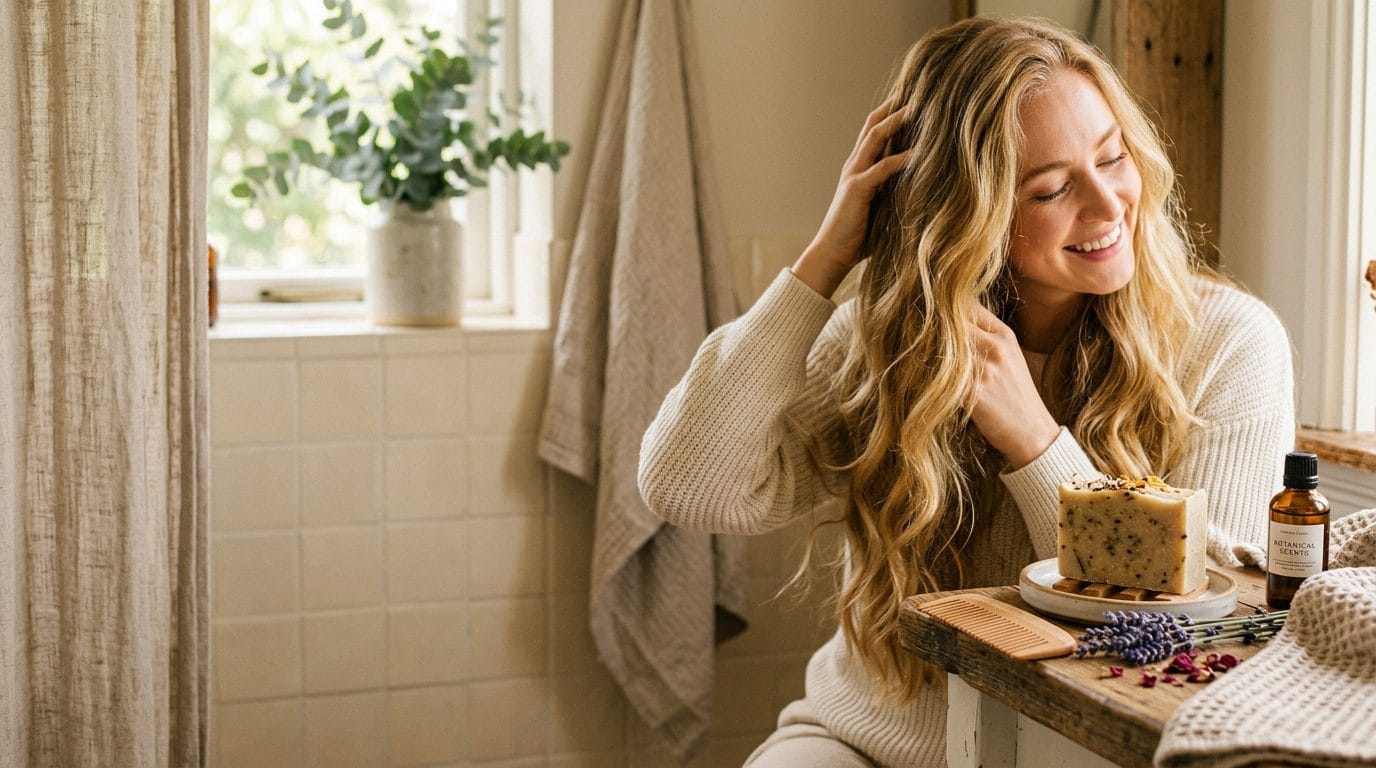
- Floral fans: Lavender, rose, or ylang-ylang (calming, romantic)
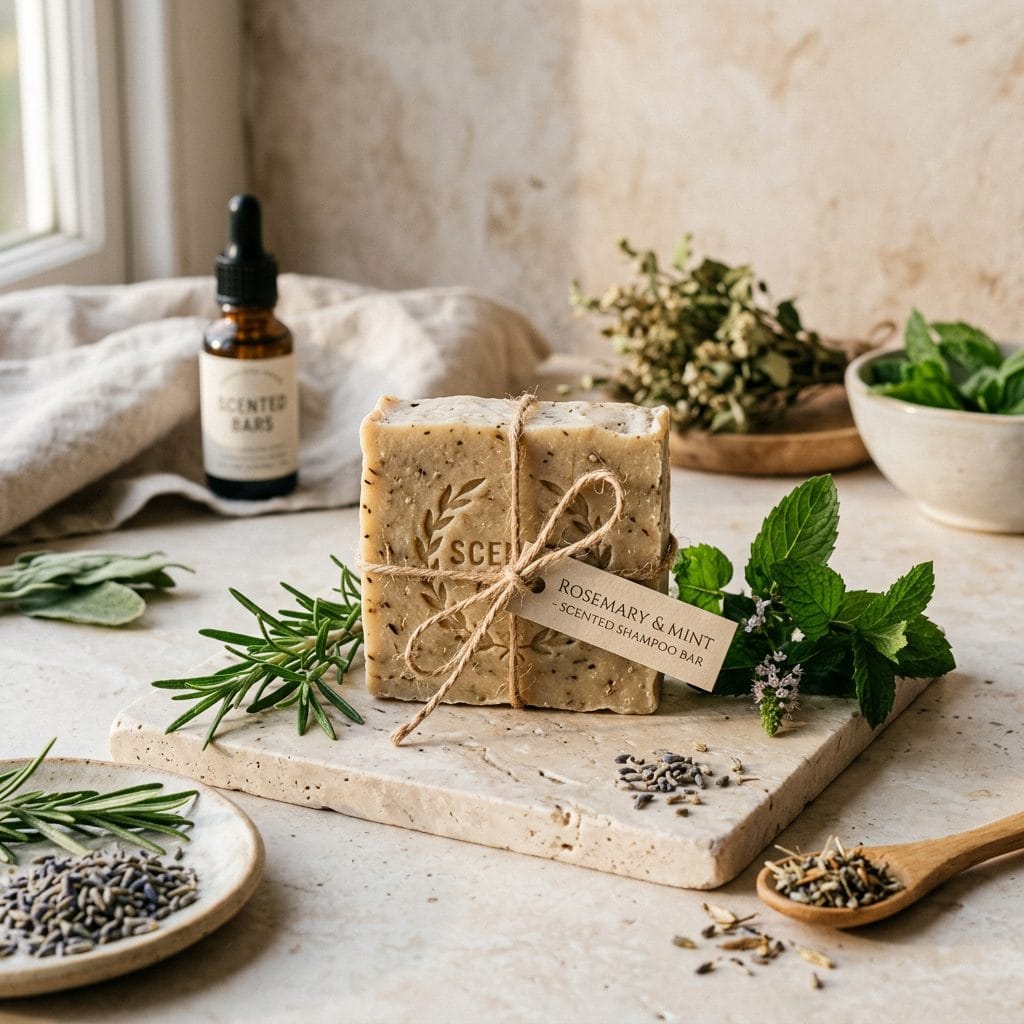
- Herbal seekers: Peppermint, rosemary, or tea tree (invigorating, fresh)
- Woody/earthy: Cedarwood, sandalwood, or patchouli (grounding, sophisticated)
- Tropical vibes: Coconut, vanilla, or tropical blends (sweet, vacation-like)
Why Scent Matters in Shampoo Bars
The Sensory Experience
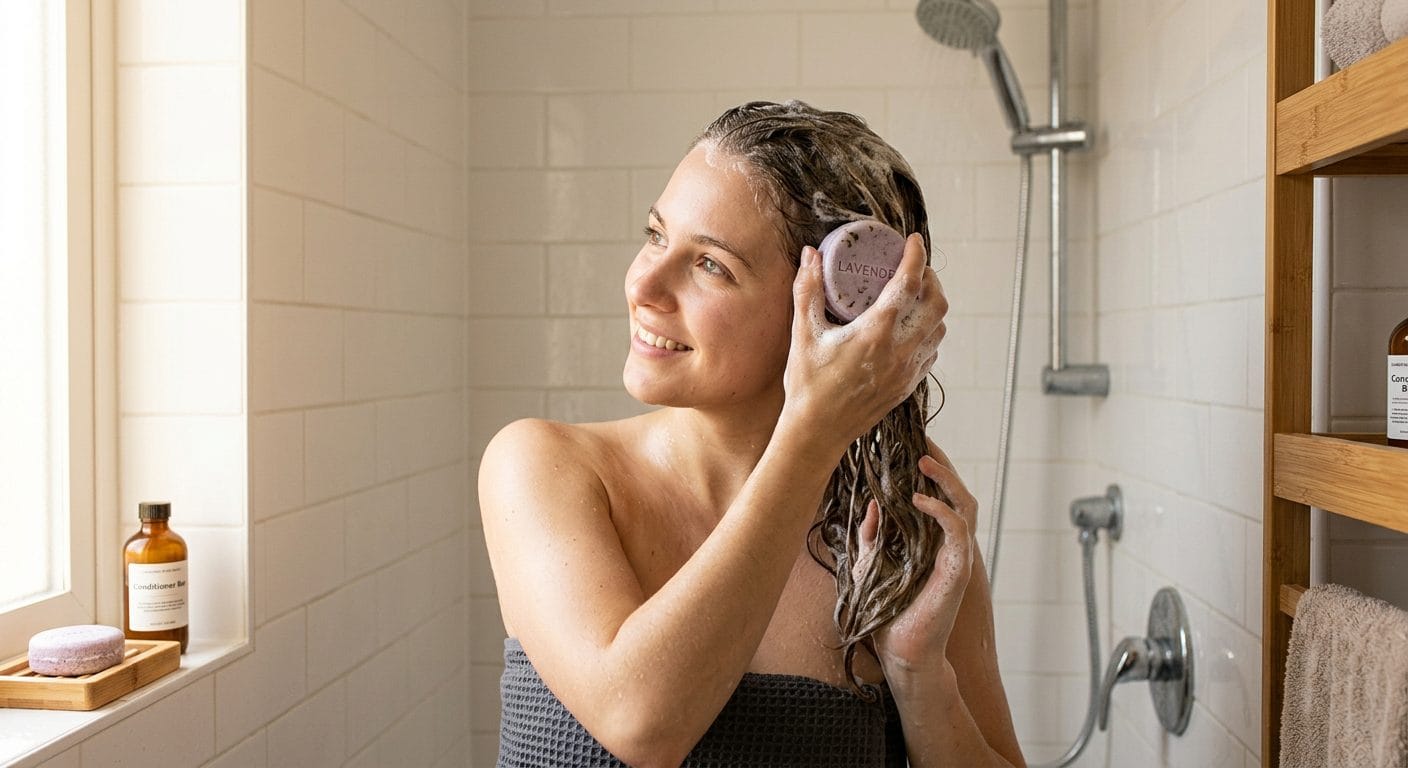
- Energize your morning (citrus, peppermint)
- Calm your evening (lavender, chamomile)
- Boost confidence (floral, woody)
- Trigger positive memories (vanilla, coconut)
Realistic Expectations
What you’ll experience:- Strong scent while lathering (most noticeable)
- Subtle residual fragrance immediately after washing
- Very faint scent once hair dries (if any)
- Water rinses away most fragrance molecules
- Essential oils are volatile (evaporate quickly)
- Hair doesn’t hold scent like fabric does
Best Scents by Category
1. Citrus Scents (Energizing & Clean)
- Lemon — Bright, sharp, squeaky-clean feeling (uplifting)
- Grapefruit — Tangy, slightly bitter, sophisticated (energizing)
- Orange — Sweet, cheerful, less sharp than lemon (mood-boosting)
- Lime — Zesty, fresh, modern (crisp)
- Strong scent payoff (even in small amounts)
- Cuts through oil (perception of extra cleanliness)
- Gender-neutral appeal
- Brightening effect (feels like sunshine)
2. Floral Scents (Calming & Romantic)
Best for: Evening showers, sensitive scalps, creating a spa-like experienceTop floral scents:- Lavender — Calming, classic, slightly sweet (relaxing)
- Rose — Romantic, luxurious, slightly powdery (elegant)
- Ylang-ylang — Exotic, heady, slightly spicy (sensual)
- Jasmine — Intoxicating, warm, sweet (indulgent)
- Geranium — Fresh, rosy, slightly green (balancing)
- Soothing effect on mind (aromatherapy benefits)
- Traditionally “clean” association (like fresh linens)
- Romantic, self-care vibe
- Works well in blends (adds complexity)
3. Herbal Scents (Invigorating & Fresh)
Best for: Scalp care, dandruff, oily hair, waking up sluggish morningsTop herbal scents:- Peppermint — Cooling, tingly, sharp (invigorating)
- Rosemary — Herbaceous, woody, medicinal (stimulating)
- Tea tree — Medicinal, clean, slightly camphor-like (purifying)
- Eucalyptus — Minty, fresh, slightly medicinal (clarifying)
- Basil — Green, peppery, culinary (uplifting)
- Scalp benefits (circulation, antimicrobial properties)
- Perception of “treatment” (feels therapeutic)
- Gender-neutral to masculine appeal
- Cooling/tingling sensation (peppermint, eucalyptus)
4. Woody/Earthy Scents (Grounding & Sophisticated)
Best for: Evening routines, mature preferences, creating a spa-like atmosphereTop woody/earthy scents:- Cedarwood — Warm, woodsy, slightly sweet (grounding)
- Sandalwood — Creamy, soft, slightly milky (luxurious)
- Patchouli — Earthy, musky, slightly sweet (bohemian)
- Vetiver — Smoky, earthy, slightly bitter (masculine)
- Pine — Fresh, forest-like, crisp (outdoorsy)
- Sophisticated, mature vibe (less “bubble gum” than fruity scents)
- Unisex to masculine appeal
- Long-lasting base notes (linger better than top notes)
- Spa/retreat association (luxury experience)
5. Sweet/Tropical Scents (Indulgent & Vacation-Like)
Best for: Dry hair, winter months, creating a mood-boost, escapismTop sweet/tropical scents:- Coconut — Creamy, tropical, sweet (vacation vibes)
- Vanilla — Warm, comforting, slightly caramel (cozy)
- Honey — Sweet, warm, slightly floral (indulgent)
- Tropical blends — Mango, papaya, pineapple (playful)
- Almond — Nutty, sweet, marzipan-like (gourmand)
- Mood-boosting (trigger happy memories)
- Comforting during cold months (vanilla, honey)
- Playful, fun vibe (less serious than herbals)
- Wide appeal (universally liked by most)
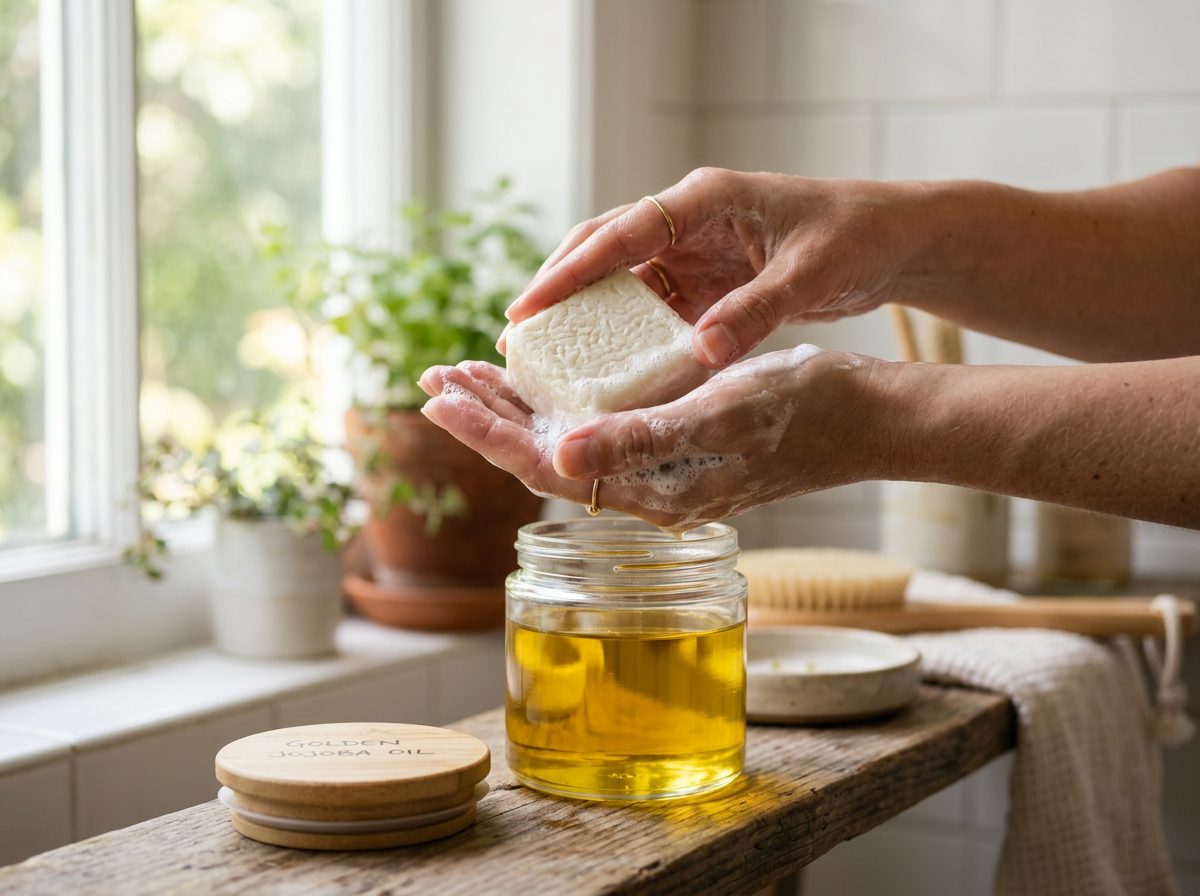
Scent Intensity: What to Expect
During Lathering (Strongest)
- Strong scent: You’ll smell it clearly while massaging into hair
- Steam amplifies: Hot water releases fragrance molecules
- Peak experience: This is when you’ll enjoy the scent most
During Rinsing (Moderate)
- Fading fast: Most scent washes away with water
- Subtle traces: Some fragrance clings briefly to hair
- Water-soluble: Essential oils don’t bind to hair like they do to skin
After Drying (Faint to None)
- Minimal residue: Most people won’t smell much (if anything)
- Close proximity: You might catch faint whiffs when moving your head
- Not like perfume: Don’t expect lasting fragrance like a leave-in product
Why Lasting Scent is Rare
Hair doesn’t hold scent well:- No pores (unlike skin, which absorbs fragrance)
- Water-repellent cuticle (once closed)
- Lightweight structure (can’t hold heavy oils)
- Surfactants remove oils (including fragrant ones)
- Rinsing removes residue (including scent molecules)
- Clean hair = neutral hair (by design)
Essential Oils vs. Fragrance Oils
Essential Oils (Natural)
Pros:- 100% natural (plant-derived)
- Therapeutic benefits (aromatherapy, scalp care)
- Clean ingredient lists (no synthetics)
- Generally safer for sensitive scalps
- More expensive (production is labor-intensive)
- Weaker scent throw (fades faster than synthetics)
- Limited palette (only what nature provides)
- Phototoxic risk (some citrus oils)
Fragrance Oils (Synthetic or Blended)
Pros:- Stronger, longer-lasting scent
- Wider variety (any scent imaginable)
- More affordable (cheaper to produce)
- Consistent scent profile (batch to batch)
- Synthetic chemicals (may irritate sensitive scalps)
- Less “natural” (if that matters to you)
- No therapeutic benefits (purely sensory)
- May contain allergens (check ingredient lists)
Unscented vs. Lightly Scented vs. Strongly Scented
Unscented Bars
What it means: No added fragrance (essential oils or fragrance oils) Smell: Mild “base” smell (oils, butters, surfactants — slightly waxy or soapy) Best for: Fragrance allergies, very sensitive scalps, those who layer perfumePros:- Zero fragrance allergens
- Works for scent-sensitive workplaces (healthcare, food service)
- Won’t clash with perfume/cologne
- Base ingredients may smell slightly “off” to some (not bad, just plain)
- No aromatherapy benefits
- Less luxurious sensory experience
Lightly Scented Bars
What it means: 1-2% essential oils or fragrance oils Smell: Noticeable while lathering, subtle after rinsing Best for: Most people (balanced approach)Pros:- Sensory enjoyment without overwhelming
- Lower risk of irritation (less fragrance = less potential for reaction)
- Still feels like a “treat” (not clinical/boring)
- May feel “not enough” for scent lovers
- Can fade too quickly for some preferences
Strongly Scented Bars
What it means: 3-5%+ essential oils or fragrance oils Smell: Intense while lathering, moderate residue after rinsing Best for: Scent enthusiasts, those wanting shower experience to feel indulgentPros:- Maximum sensory impact (feels like spa treatment)
- Scent lingers longer (but still fades after drying)
- Great for gifts (impressive first impression)
- Higher risk of scalp irritation (especially essential oils)
- May be overwhelming in small bathrooms (poor ventilation)
- Can trigger headaches in sensitive individuals
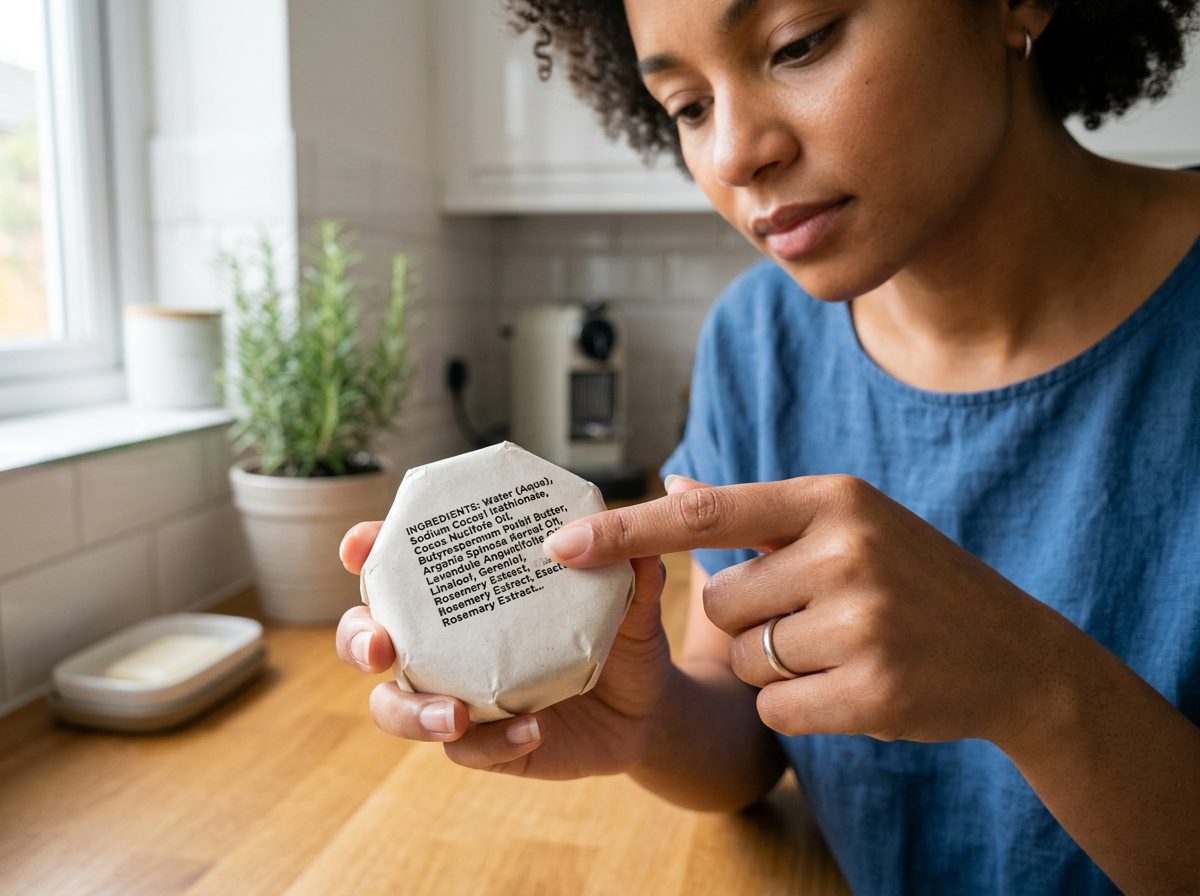
How to Choose Your Scent
1. Match Your Mood/Routine
Morning showers:- Energizing scents (citrus, peppermint, rosemary)
- Wake-up effect (invigorating)
- Set positive tone for the day
- Calming scents (lavender, chamomile, ylang-ylang)
- Wind-down ritual (relaxing)
- Signal to body: “It’s time to rest”
- Clarifying scents (eucalyptus, tea tree, peppermint)
- Fresh, clean feeling (prepares you mentally)
2. Consider Your Hair Type
Oily hair:- Citrus scents (lemon, grapefruit) — perception of extra cleanliness
- Herbals (rosemary, tea tree) — scalp-balancing properties
- Sweet scents (coconut, vanilla, honey) — comforting, moisturizing association
- Florals (rose, ylang-ylang) — softer, less astringent
- Tea tree, eucalyptus, peppermint — antimicrobial benefits
- Avoid heavy sweet scents (may mask scalp issues)
- Unscented or lightly scented (lavender, chamomile)
- Avoid citrus (can be irritating)
3. Seasonal Preferences
Spring/Summer:- Fresh, light scents (citrus, herbal, light floral)
- Cooling effect (peppermint, eucalyptus)
- Avoid heavy sweet scents (can feel cloying in heat)
- Warm, cozy scents (vanilla, sandalwood, cedarwood)
- Comforting (honey, almond)
- Avoid icy/cooling scents (peppermint feels cold)
4. Personal Style Alignment
Minimalist/Modern:- Unscented or single-note scents (just lavender, just cedarwood)
- Clean, simple (lemon, eucalyptus)
- Floral blends (rose + jasmine, lavender + geranium)
- Sweet (vanilla, honey)
- Woody, earthy (pine, cedarwood, vetiver)
- Herbaceous (rosemary, basil)
- Unexpected blends (grapefruit + patchouli, peppermint + vanilla)
- Tropical (mango, coconut, passion fruit)
Common Scent Combinations
Classic Blends
Lavender + Peppermint:- Balancing (calming + invigorating)
- Scalp care (soothing + circulation-boosting)
- Mediterranean vibe (bright + herbaceous)
- Clarifying (oil control + stimulation)
- Spa treatment feel (medicinal + fresh)
- Scalp health (antimicrobial duo)
- Floral sophistication (romantic + fresh)
- Skin/scalp balancing (both have calming properties)
Modern Blends
Grapefruit + Cedarwood:- Sophisticated balance (bright top note + grounding base)
- Unisex appeal (neither too feminine nor masculine)
- Tropical indulgence (sweet vacation vibes)
- Comforting (dessert-like)
- Unexpected twist (cooling + cozy)
- Year-round appeal (refreshing but not cold)
- Spa luxury (creamy wood + bright citrus)
- Balanced energy (uplifting but grounded)

Hard Water Considerations
Why Hard Water Affects Scent
Mineral interference:- Calcium/magnesium ions can bind to fragrance molecules
- Reduces scent throw (you smell it less)
- Creates dull, flat scent profile
- Soap bars (react with minerals) — scent gets muted
- Detergent bars (work in hard water) — scent stays truer
How to Maximize Scent in Hard Water
1. Finish with an acidic rinse — a tablespoon of apple cider vinegar in 250 ml of water keeps mineral film off the hair2. Add citric acid rinse — removes mineral buildup, allows fragrance to shine3. Lather longer — More contact time = more scent release4. Hot water — Opens cuticle, allows scent molecules to penetrate better5. Use scented conditioner — Conditioner sits on hair longer (more scent retention)Best Scents for Hard Water
Citrus: Cuts through minerals (perception of brightness even if muted) Herbals: Strong, medicinal notes survive mineral interference Avoid: Delicate florals (get lost in hard water)—Scent Allergies & Sensitivities
Common Triggers
- Synthetic fragrance oils (broad category, many potential irritants)
- Citrus essential oils (limonene can irritate)
- Ylang-ylang (strong, heady — can trigger headaches)
- Patchouli (polarizing — some find it overwhelming)
Signs of Sensitivity
- Scalp itching/redness during or after washing
- Headaches triggered by shower time
- Sneezing, watery eyes (respiratory reaction)
- Rash on hands (if lathering in hands before applying)
Safer Options
Hypoallergenic scents:- Lavender (generally well-tolerated)
- Chamomile (calming, gentle)
- Mild citrus (sweet orange vs. sharp lemon)
Best Scented Shampoo Bars by Brand
Natural Answer Products (Netherlands)
Scent profile: Lightly scented with natural essential oils Hard water: ✅ Works in mineral-rich water with the included ACV rinse (cold-process soap, pH 9–10) Best for: Those who want effective cleansing + subtle fragrance in hard water areas Palm oil-free: ✅ (ethical sourcing)—Ethique (New Zealand)
Scent profile: Strongly scented (essential oils + fragrance oils) Popular scents: St Clements (orange), Guardian (rosemary + peppermint), Heali Kiwi (kiwi fruit) Best for: Scent lovers who want intense fragrance experience Note: Contains “sustainable palm oil” (if that matters to you)—HiBAR (USA)
Scent profile: Lightly to moderately scented Popular scents: Soothe (lavender), Maintain (citrus), Volumize (herbal) Best for: Salon-quality performance + subtle scent Note: Sleek modern branding, gender-neutral appeal—Lush (UK)
Scent profile: VERY strongly scented (signature Lush intensity) Popular scents: Seanik (seaweed + citrus), Jason and the Argan Oil (rose) Best for: Those who want shower experience to smell like a Lush store Note: Can be overwhelming if you’re scent-sensitive—Basin (USA)
Scent profile: Moderately scented (essential oil blends) Popular scents: Big Sur (eucalyptus), Mint Julep (peppermint), Lavender (classic) Best for: Spa-like experience, artisan quality Note: Higher price point (luxury positioning)—DIY Scent Customization
Adding Scent to Unscented Bars (Advanced)
Method:1. Grate 1 cup unscented shampoo bar2. Melt gently in double boiler (low heat)3. Add 20-30 drops essential oil per cup4. Pour into mold, let hardenPros: Total control over scent strength/type Cons: Changes texture (may become softer), requires effort—Layering Scents (Simple)
Use complementary products:1. Shampoo bar (base scent)2. Conditioner bar (same or complementary scent)3. Leave-in oil/serum (finishing scent)Example: Citrus shampoo → lavender conditioner → vanilla hair oil = complex, layered fragrance—Storing Scented Bars
Scent Preservation
Keep scent strong:- Store in airtight container between uses (prevents evaporation)
- Avoid direct sunlight (breaks down essential oils)
- Cool, dry place (heat accelerates scent loss)
- Essential oils: 12-18 months (before noticeable scent fade)
- Fragrance oils: 18-24 months (more stable than natural oils)
- Weaker smell when dry (sniff the bar)
- No scent payoff while lathering
- Change in color (oxidation of oils)
Travel & Gym Considerations
TSA-Friendly Scents
Best for shared spaces:- Neutral/universally liked (citrus, light floral)
- Avoid polarizing scents (patchouli, very strong florals)
- Travel tins (keeps scent contained when not in use)
- Prevents scent transfer to clothes/toiletries
Gym Shower Etiquette
Be considerate:- Lightly scented bars (not overwhelming in shared steam)
- Avoid heavy sweet scents (cloying in humid locker rooms)
- Fresh, clean scents are safest (citrus, mint, eucalyptus)
Frequently Asked Questions
Will my hair smell like the shampoo bar?
Minimally. You’ll notice scent while washing and briefly after rinsing. Once hair dries, fragrance is faint to non-existent. If you want lasting scent, use a scented conditioner or hair perfume.Are strongly scented bars better?
Not necessarily. Stronger scent = higher concentration of fragrance = higher risk of scalp irritation. Moderate scent is often the sweet spot (sensory enjoyment without irritation).Can I mix different scented bars?
Yes! Alternate between bars based on mood/season. Some people even lather two bars together (one in each hand) for custom blends — though this is unnecessary.Do essential oils clean better than fragrance oils?
No. Scent doesn’t affect cleaning power. Surfactants (cleansing agents) do the work. Essential oils may have therapeutic scalp benefits, but fragrance is purely sensory.Why doesn’t my bar smell as strong as it did when new?
Scent fade is normal. Essential oils evaporate over time (especially if stored improperly). Store in airtight container between uses to preserve fragrance longer.—The Bottom Line
Best scented shampoo bars prioritize:1. Scent profile match (energizing vs. calming vs. sophisticated)2. Intensity preference (strong vs. light vs. unscented)3. Natural vs. synthetic (essential oils vs. fragrance oils)4. Hard water compatibility (cold-process soap paired with ACV rinse works in mineral-rich water)Key takeaway: Scent in shampoo bars is mostly a shower experience, not a lasting fragrance. Enjoy it while washing, but don’t expect your hair to smell like perfume hours later.For hard water areas: Scent sits better on hair that is free of mineral film, so the vinegar rinse matters as much as the bar you choose.Personal preference matters most. What smells “amazing” to one person might smell “meh” to another. Start with sample sizes if available, or choose classic scents (lavender, citrus, peppermint) that have broad appeal.—Ready to find your perfect scent? Explore Natural Answer’s range of lightly scented, hard-water-friendly shampoo bars at naturalanswerproducts.comReady to Make the Switch?
Ready to experience the benefits of a natural shampoo bar? Browse our complete collection of cold-processed soap bars — each one made with 6 organic plant oils and zero synthetic additives.