


Last updated: September 22, 2026
Updated 30 August 2026 — refreshed rankings, new powder-vs-paste comparison, and the latest research.

Hydroxyapatite toothpaste went from niche import to mainstream in a few short years. In 2026 you can find it in pharmacies across Europe and the US — but the products vary wildly in concentration, particle size, and price. This guide cuts through the noise: what hydroxyapatite is, how it compares to fluoride, and which format actually gives you the most mineral for your money.
What is Hydroxyapatite Toothpaste?
Hydroxyapatite (HAP) is the mineral your teeth are made of — about 97% of your enamel is hydroxyapatite. When you brush with it, you give your teeth back their own building material.
This is not new science. Japan has used hydroxyapatite in toothpaste since the 1980s. It has been the standard there for decades while the West stuck with fluoride.
The research has caught up. Multiple clinical trials now show hydroxyapatite matches fluoride for cavity prevention, and 2026 is the first year it appears in mainstream dental guidance across several EU countries.
How Does Hydroxyapatite Work?
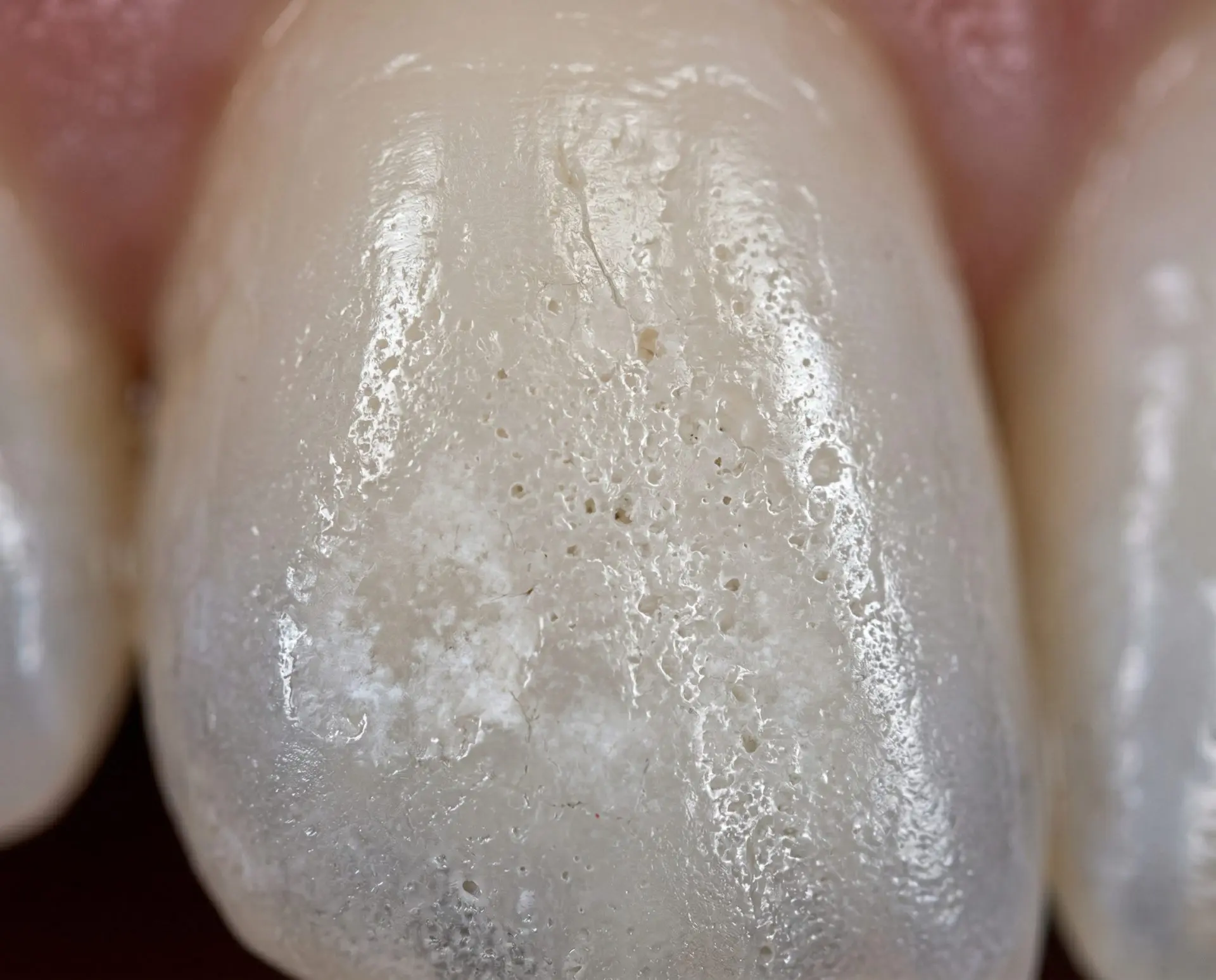
When you eat or drink, acids attack your enamel and create microscopic holes and rough patches. This is early demineralization — the first stage of cavity formation.
Hydroxyapatite particles:
- Fill in those microscopic holes
- Bond with your natural enamel
- Create a smoother, stronger surface
- Make teeth less sensitive
Unlike fluoride, which forms a protective layer on your teeth, hydroxyapatite integrates into your enamel structure. Want the full mechanism? See our deep dive on whether hydroxyapatite can repair tooth enamel.
Hydroxyapatite vs. Fluoride: What the Science Says
| Factor | Hydroxyapatite | Fluoride |
|---|---|---|
| Remineralization | Yes (clinical trials: equivalent to fluoride) | Yes |
| Toxicity if swallowed | None | Yes (fluorosis risk in children) |
| Whitening effect | Yes (fills surface imperfections) | No |
| Sensitivity relief | Yes | Sometimes |
| Safe for children | Yes, any amount | Must limit |
| Available in EU | Yes | Restricted in some products |
A 2019 systematic review found nano-hydroxyapatite performed equally to fluoride for preventing and reversing early cavities — without the toxicity concerns. For the full head-to-head, read our hydroxyapatite vs fluoride comparison or the science-focused nano-hydroxyapatite vs fluoride breakdown.
Nano vs. Micro Hydroxyapatite: Does Size Matter?
Nano-hydroxyapatite (n-HAP): particles smaller than 100 nanometers.
- Penetrates deeper into enamel
- More effective at remineralization
- This is what most clinical studies use
Micro-hydroxyapatite: larger particles (measured in microns).
- Still beneficial
- Creates a smoother surface
- Less penetration into enamel
For maximum benefit, look for nano-hydroxyapatite (n-HAP) on the ingredient list. Not sure which suits you? Our nano vs 40-micron comparison walks through the trade-offs in detail.
Powder vs. Paste: The Comparison Most Guides Skip
Here is what almost no toothpaste review tells you: the tube is mostly filler. A typical hydroxyapatite toothpaste contains 1–10% active mineral. The rest is water, humectants, thickeners, and flavor. You pay for the whole tube, but only a fraction of it does the work.
Pure hydroxyapatite powder flips that ratio. It is 100% active mineral — no water, no preservatives, no foaming agents. You control the dose: dip a wet brush for a light polish, or mix a small amount with water for a concentrated remineralizing paste. Many of our customers use it as a weekly booster on top of their regular toothpaste; others replace paste entirely. A well-formulated paste with 10% hydroxyapatite is excellent — but gram for gram of active mineral, powder costs a fraction of the price.
| Toothpaste (tube) | Pure powder | |
|---|---|---|
| Active HAP content | Typically 1–10% | 100% |
| Cost per gram of HAP | High (you pay for fillers) | Low |
| Dosing control | Fixed by the formula | You decide per brushing |
| Convenience | Squeeze and go | Small extra step |
| Shelf life & waste | Preservatives needed, plastic tube | Years, minimal packaging |
If you want to try the powder route, start with our Nano Hydroxyapatite Powder (60nm) for maximum enamel penetration, or the gentler 40-micron Hydroxyapatite Powder for daily polishing. Both work as a standalone brushing powder or as a boost mixed into your current paste — the DIY toothpaste guide shows you how.
What to Look For in HAP Toothpaste
Must-Haves
- Nano-hydroxyapatite listed in the first 5 ingredients
- No SLS (sodium lauryl sulfate) — it can irritate gums
- No artificial sweeteners if you avoid them
Nice-to-Haves
- Additional remineralizing ingredients (calcium, phosphate)
- Natural flavoring
- Recyclable or plastic-free packaging
Red Flags
- HAP listed at the very end (too little to be effective)
- Only “hydroxyapatite” without a stated concentration or particle size
- Loaded with harsh abrasives
Best Hydroxyapatite Toothpaste Options 2026
1. Best Overall: Pure Powder
Hydroxyapatite powder gives you maximum concentration without fillers. Mix with water to form a paste, or dip your wet toothbrush directly in. The 60nm nano powder is the pick here — the particle size clinical studies use, at 100% concentration.
Pros: highest HAP concentration, zero waste, lasts months
Cons: slightly different routine than paste
2. Best for Sensitivity
Look for HAP combined with potassium nitrate for dual sensitivity relief. Hydroxyapatite alone already helps by sealing exposed dentin tubules — our guide on hydroxyapatite for sensitive teeth explains which approach fits which type of sensitivity.
3. Best for Kids
HAP is the ideal choice for children because it is completely safe if swallowed. No more worrying about fluoride intake. See the kids’ safety guide for age-by-age advice.
4. Best Budget Option
Some HAP toothpastes cost $15+ per tube and last a month. A 50-gram jar of pure powder costs about the same and lasts several months, because you only use a small pinch per brushing. The 40-micron powder is the value pick. Our full hydroxyapatite powder buyer’s guide compares the options.
How to Use Hydroxyapatite Toothpaste
For best results:
- Brush for 2 full minutes — HAP needs contact time
- Don’t rinse immediately — let it sit on your teeth for a minute
- Use twice daily — consistency matters
- Be patient — remineralization takes 2–4 weeks to notice
Common Questions
Can I use HAP and fluoride together?
Yes, though most people choose one or the other. They work through different mechanisms and don’t interfere.
Will HAP whiten my teeth?
Sort of. It fills microscopic surface imperfections, making teeth appear smoother and brighter. It is not bleaching — it is restoring.
How long until I see results?
Most people notice reduced sensitivity within 1–2 weeks. Visible improvements to enamel take 4–8 weeks of consistent use.
Is HAP safe during pregnancy?
Yes. Unlike fluoride, there are no restrictions on HAP during pregnancy or breastfeeding.
Is powder as effective as toothpaste?
Yes — often more so, because pure powder is 100% hydroxyapatite while pastes carry a small percentage in a base of water and fillers. The mineral is identical; only the delivery format differs.
Making the Switch from Fluoride
You don’t need to go cold turkey. Some people:
- Use HAP in the morning, fluoride at night
- Switch fully after finishing their current toothpaste
- Start with HAP for children while adults continue fluoride
There is no wrong approach. The goal is finding what works for you.
Conclusion
Hydroxyapatite toothpaste offers everything fluoride does — cavity prevention, remineralization, sensitivity relief — without the toxicity concerns. It is especially valuable for children, pregnant women, and anyone who prefers natural alternatives.
The science is solid. Japan has proven it works for 40+ years. And if you want the most mineral per euro, skip the tube and go straight to the source: pure powder.
Looking for hydroxyapatite dental powder? Check out our nano formula (60nm) or the 40-micron polishing powder — both ship throughout Europe.
Curious about DIY toothpaste with HAP powder? Same hydroxyapatite, full control over flavoring and abrasive level.
Related reading: how to make your own zero-waste toothpaste at home.
Looking for the powder this guide covers?
See Nano Hydroxyapatite Powder (60nm) in our shop.
View Nano Hydroxyapatite Powder (60nm) →