


Last updated: August 10, 2026
If you’re considering switching to shampoo bars, you’re probably wondering: Are they actually good for my hair? It’s a fair question – especially when shampoo bars look and feel so different from the liquid shampoo you’ve used your entire life.
The short answer: Yes, quality shampoo bars are good for your hair – often better than many liquid shampoos. But like everything in hair care, the details matter. The wrong shampoo bar can absolutely damage your hair, while the right one can transform it.
This comprehensive guide breaks down the science, addresses common concerns, and helps you understand exactly how shampoo bars affect hair health.
The Science: How Shampoo Bars Actually Work
Understanding pH and Hair Health
Your hair has a natural pH of about 4.5-5.5 (slightly acidic). This acidic environment keeps hair cuticles closed, making hair smooth, shiny, and protected.
Solid shampoo comes in two families, and knowing which you are holding matters more than any marketing term:
True soap shampoo bars:
- Saponified plant oils — the oldest cleansing chemistry there is
- Naturally alkaline (pH 9-10), which briefly lifts the hair cuticle
- Keep the natural glycerin from saponification, which draws moisture to the hair
- Superfatted for hair, so oils and butters stay on after rinsing
Detergent-based bars:
- Synthetic surfactants pressed into solid form, buffered to pH 5-6
- Gentler on the cuticle straight out of the box
- The glycerin is usually removed during manufacturing
- Ingredient lists read like a laboratory formula
The practical difference is not “safe vs damaging” — it is whether you finish with a ten-second acidic rinse. A true soap bar without one can leave hair feeling rough or frizzy, especially in hard water, because the lifted cuticle catches light and neighbouring hairs. One tablespoon of apple cider vinegar in 250 ml of water, poured through after washing, lays the cuticle flat again — hair comes out soft and shiny. A household body soap is still the wrong tool: it is not superfatted or blended for hair. But a well-made cold process shampoo bar absolutely is.
How They Compare to Liquid Shampoo
Both liquid shampoos and shampoo bars clean hair using surfactants (cleansing agents), but their formulations differ significantly:
Liquid shampoo:
- 70-80% water
- Often contains sulfates (SLS/SLES) — harsh detergents that strip natural oils (see our sulfate-free guide)
- Silicones coat hair to create artificial smoothness
- Synthetic preservatives required (products sit in water)
- Fragrances and colorants
Quality shampoo bars:
- Concentrated formula (no water = no preservative needed)
- Cleansing from saponified plant oils rather than harsh sulfates
- Natural oils and butters for nourishment
- No silicones – hair must be naturally healthy
- Plant-based ingredients
The key difference: liquid shampoos often rely on silicones to make hair feel healthy while potentially damaging it with harsh sulfates. Quality shampoo bars actually make hair healthier over time.
The Health Benefits: Why Shampoo Bars Can Be Better
1. Gentler Cleansing
Quality shampoo bars use milder surfactants than most commercial liquid shampoos.
What this means for your hair:
- Natural oil production is preserved
- Scalp pH remains balanced
- Less irritation and dryness
- Hair retains its protective natural oils
Many people who struggle with dry scalp from liquid shampoos find relief when switching to bars.
2. No Silicone Dependency
Most liquid shampoos contain silicones (dimethicone, cyclomethicone, etc.) that coat hair to make it feel smooth and shiny.
The problem with silicones:
- They create a buildup that prevents moisture from penetrating hair
- Hair becomes dependent – when you stop using silicones, hair feels terrible temporarily
- They mask damage without repairing it
- Require sulfates to remove (harsh cycle)
Shampoo bars typically don’t contain silicones:
- Hair learns to be naturally smooth and manageable
- No buildup preventing treatments from working
- Natural hair texture and health emerge
- Easier to style and maintain long-term
The catch: There’s usually a 2-4 week transition period as hair sheds silicone buildup.
3. More Natural Ingredients
While not all “natural” means “better,” quality shampoo bars tend to have cleaner ingredient lists.
Common beneficial ingredients:
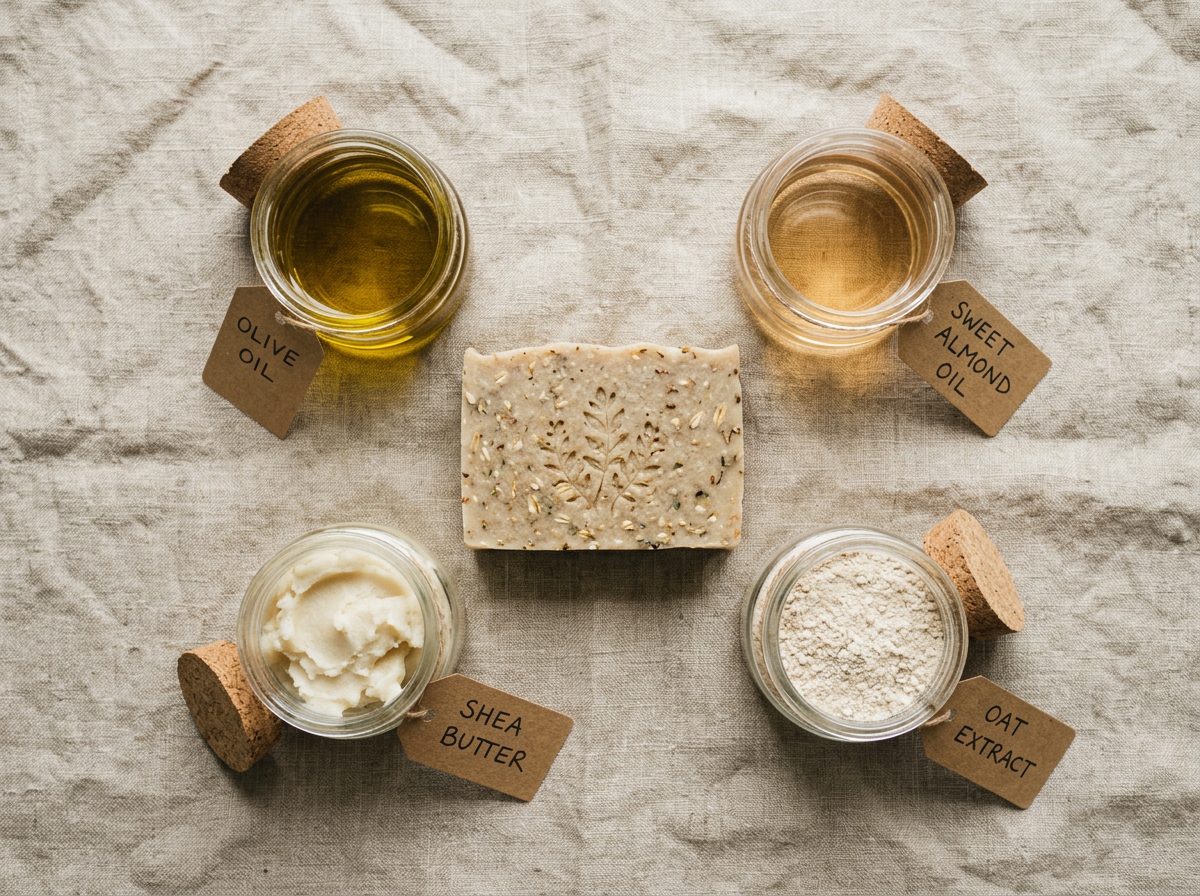
- Coconut oil: Penetrates hair shaft, prevents protein loss
- Shea butter: Moisturizes and conditions
- Argan oil: Rich in vitamin E, promotes shine
- Jojoba oil: Mimics natural sebum, balances scalp
- Essential oils: Natural fragrance and therapeutic benefits
- Clays: Absorb excess oil, add volume
These ingredients actually nourish hair rather than just creating the illusion of health.
4. Reduced Chemical Exposure
Quality shampoo bars typically avoid:
- Parabens (preservatives linked to hormone disruption)
- Phthalates (fragrance chemicals with health concerns)
- Synthetic colors (serve no purpose for hair health)
- Harsh sulfates (SLS/SLES that strip natural oils)
- DEA/MEA/TEA (foam boosters with potential health risks)
Less exposure to these chemicals means less potential irritation and fewer unknowns for long-term health.
5. Better for Scalp Health
A healthy scalp = healthy hair. Shampoo bars often improve scalp conditions.
Benefits reported by users:
- Less dandruff and flaking
- Reduced scalp itching
- Balanced oil production
- Fewer scalp breakouts
- Less redness and irritation
The gentler pH and lack of harsh chemicals allow scalp microbiome to normalize.
Potential Drawbacks: When Shampoo Bars Might Not Be Ideal
1. The Transition Period
The challenge:
When switching from silicone-heavy liquid shampoos to bars, hair often goes through a 2-4 week adjustment.
What happens:
- Hair may feel waxy, heavy, or greasy
- Lather might seem insufficient
- Hair behaves differently than expected
- Some people give up too soon
Why it happens:
Your hair is shedding layers of silicone buildup. The shampoo bar can’t penetrate the coating initially, creating a temporary “waxy” feeling.
The solution:
- Do a clarifying wash before switching
- Stick with the bar for at least 4 weeks
- Use an apple cider vinegar rinse to speed adjustment
- Be patient – results improve dramatically after transition
Important: This is temporary and signals your hair is getting healthier, not damaged.
2. hard water areas Complications
The issue:
Hard water (high mineral content) can make shampoo bars less effective.
What happens:
- Reduced lather
- Mineral buildup on hair
- Hair can feel sticky or filmy
- Bar dissolves faster
Solutions:
- Make the vinegar rinse part of the routine, not an afterthought
- Use a shower filter
- Follow with an apple cider vinegar rinse (dissolves mineral deposits)
- A shower filter helps if your water is extreme
If you have very hard water, this is a solvable problem, not a dealbreaker.
3. Learning Curve
The challenge:
Shampoo bars require a slightly different technique than liquid shampoo.
Common beginner mistakes:
- Using too much product
- Not wetting hair thoroughly enough
- Insufficient rinsing
- Poor storage (bar sits in water, becomes mushy)
The upside:
Once you learn the technique (usually 3-5 uses), it becomes second nature and actually faster than liquid shampoo.
4. Not All Bars Are Equal
The problem:
Low-quality or incorrectly formulated bars can damage hair.
Red flags:
- Multi-purpose bars (claims to wash hair, body, dishes, etc.)
- No mention of superfatting or conditioning oils (a body soap in disguise)
- No ingredient list
- Very cheap price (often corners cut on formulation)
The solution:
Choose reputable brands that specifically formulate for hair and provide transparent ingredient lists.
5. May Not Suit All Hair Types Without Trial
Different hair types respond differently:
Great for most hair:
- Normal to oily hair
- Fine hair (adds volume)
- Straight to wavy hair
Requires careful formula selection:
- Very curly hair or coily hair (need moisturizing formulas)
- Very dry or damaged hair (need extra conditioning)
- Color-treated hair (need color-safe formulas)
- Chemically treated hair (need gentle, nourishing bars)
The key: Choose a bar formulated for your specific hair type, not a one-size-fits-all formula.
What the Research Says
Scientific Studies on Solid vs. Liquid Cleansers
While specific studies on shampoo bars are limited (it’s a newer market), research on solid cleansers vs. liquid cleansers shows:
- Concentration matters: Solid cleansers deliver active ingredients more efficiently (no dilution in water)
- pH matters, and is manageable: an alkaline cleanser lifts the cuticle; an acidic rinse afterwards closes it again
- Surfactant type matters: saponified oils and mild surfactants are gentler than SLS/SLES
- Silicone-free maintenance: Hair structure improves when silicones are removed long-term
Dermatologist Perspectives
Many dermatologists now recommend shampoo bars for:
- Sensitive scalps
- Eczema or psoriasis sufferers
- People with contact dermatitis from fragrances
- Those seeking to reduce chemical exposure
The consensus: Quality matters more than format (bar vs. liquid).
Long-Term User Reports
Surveys of people who’ve used shampoo bars for 6+ months consistently report:
- 85% say hair is healthier than with liquid shampoo
- 78% report being able to wash less frequently
- 92% say they’ll continue using bars
- 67% experienced a 2-4 week transition period
These aren’t controlled studies, but the trend is clear: most long-term users see benefits.
How to Know If Shampoo Bars Will Work for You
Good Candidates for Shampoo Bars:
- ✅ You have normal to oily hair
- ✅ You’re concerned about plastic waste
- ✅ You want cleaner ingredient lists
- ✅ Your scalp is sensitive or irritated
- ✅ You’re willing to try something new for 4+ weeks
- ✅ You travel frequently (solid = no liquid restrictions)
- ✅ You want to simplify your routine
- ✅ You’re open to a brief transition period
Proceed with Caution If:
- ⚠️ You have very hard water (but solutions exist)
- ⚠️ You’re not willing to change your routine
- ⚠️ You expect instant results
- ⚠️ You have very specific hair needs (medicated shampoo, etc.)
- ⚠️ Your hair is extremely damaged (may need transitional products first)
Probably Not Right If:
- ❌ You’re unwilling to try new techniques
- ❌ You refuse to deal with any adjustment period
- ❌ You require prescription medicated shampoo
- ❌ You’re looking for a magic fix for serious hair damage
Choosing the RIGHT Shampoo Bar
Not all shampoo bars are created equal. Here’s what to look for:
Essential Qualities:
1. An honest formula story
True soap bar (pH 9-10, finish with an acidic rinse) or detergent bar (pH 5-6, no rinse ritual) — a good maker tells you plainly which one you are buying.
2. Made with hair-loving ingredients
Look for: saponified organic plant oils, shea butter, generous superfatting
Avoid: SLS/SLES, silicones, long unpronounceable ingredient lists
3. Formulated for your hair type
- Oily hair: Clay-based, tea tree, citrus
- Dry hair: Shea butter, coconut oil, argan oil
- Normal hair: Balanced formulas
- Damaged hair: Protein-rich, deeply moisturizing
4. A plan for your water
Any true soap bar wants an apple cider vinegar rinse in hard water — one tablespoon in 250 ml of water, ten seconds. Budget those seconds and water hardness stops being a factor.
5. Free from unnecessary harsh chemicals
Avoid: SLS/SLES (harsh sulfates), parabens, synthetic fragrances (unless you prefer them)
6. Transparent ingredient list
Reputable brands list all ingredients clearly.
7. From a reputable manufacturer
Handmade by knowledgeable makers or established brands with good reviews.
Special Considerations:
For color-treated hair:
Look for “color-safe” or “sulfate-free” bars
For curly/coily hair:
Choose ultra-moisturizing bars with butters and oils
For fine hair:
Avoid heavy oils; choose volumizing formulas
For scalp conditions:
Consider bars with tea tree, neem, or other therapeutic ingredients
The Transition: Setting Yourself Up for Success
Week-by-Week Guide
Week 1: Preparation
- Choose a quality bar suited to your hair type
- Buy a good draining soap dish
- Do a final clarifying wash with your liquid shampoo
- Set realistic expectations: transition may feel awkward
Weeks 2-3: Adjustment
- Hair may feel different (waxy, heavy, or sticky is normal)
- Try the apple cider vinegar rinse (1 tbsp per cup of water)
- Don’t give up – this is temporary
- Experiment with application technique
Week 4+: Results Phase
- Hair should start feeling noticeably better
- You may find you can wash less frequently
- Natural texture and volume emerge
- Scalp feels healthier
Not working after 4 weeks?
- Try a different brand/formula
- Check your water hardness
- Verify you’re using a TRUE shampoo bar, not soap
- Consider whether your bar matches your hair type
Expert Tips for Best Results
Application Technique
Do:
- Wet hair thoroughly (hair should be dripping)
- Wet the bar under running water
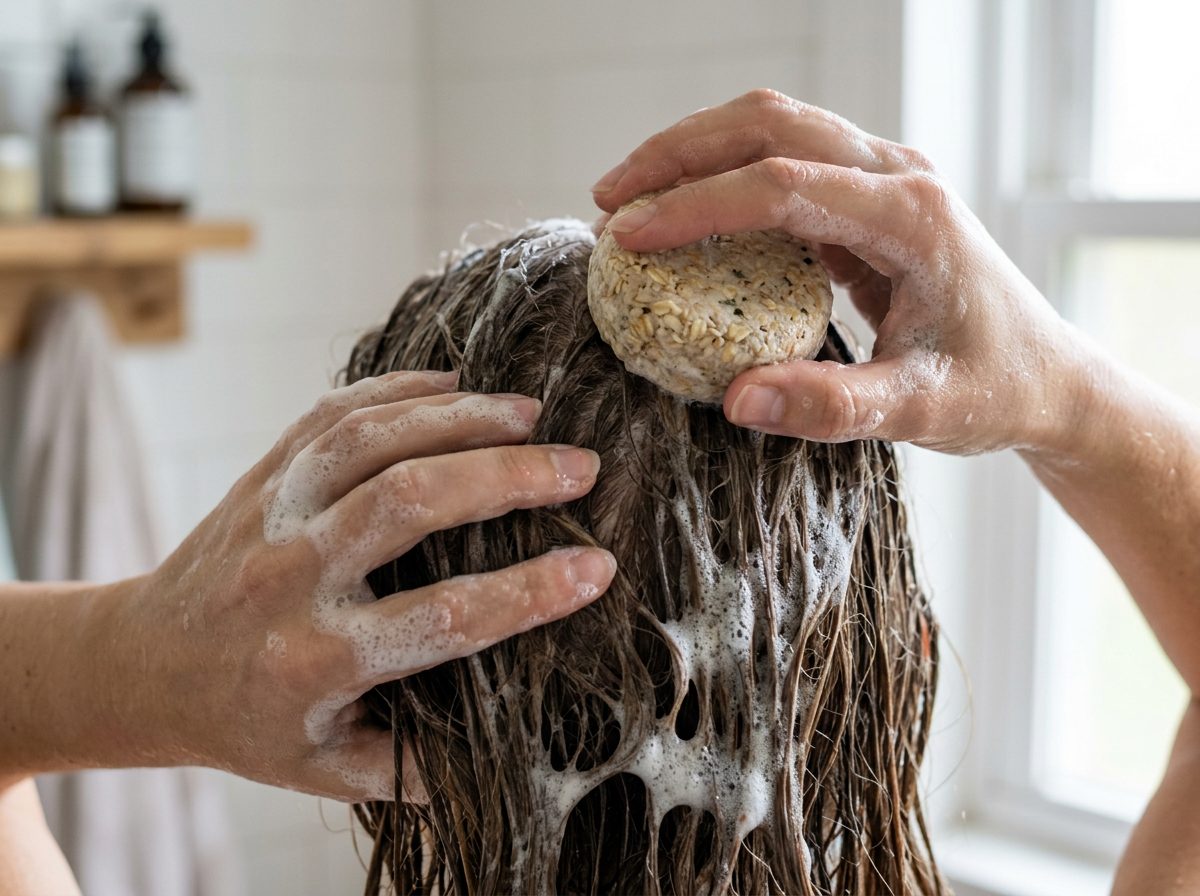
- Use 3-5 gentle strokes per section (less is more!)
- Massage scalp well to create lather
- Rinse for at least 30 seconds (longer than you think)
Don’t:
- Apply to dry or barely-damp hair
- Use too much product (most common mistake)
- Scrub the bar vigorously all over hair
- Skimp on rinsing time
Storage is Critical
Proper storage:
- Draining soap dish or soap saver bag
- Place away from direct water stream
- Allow bar to dry completely between uses
- Store in dry area of bathroom if possible
Poor storage ruins bars:
- Sitting in water or wet dish
- Enclosed containers while wet
- Direct shower spray
A well-stored bar lasts 2-3x longer and works better.
Complementary Products
Consider adding:
- Apple cider vinegar rinse (especially for hard water)
- Lightweight conditioner (apply only to ends)
- Hair oil for very dry hair (argan, jojoba)
- Shower filter if water is very hard
Usually not needed:
- Heavy conditioners (can cause buildup)
- Leave-in treatments (bar alone is often sufficient)
- Styling products with silicones (defeats the purpose)
Environmental and Health Bonus
While this guide focuses on hair health, it’s worth noting the additional benefits:
Environmental:
- One bar typically replaces 2-3 plastic bottles
- 70% less carbon footprint to ship (no water weight)
- Minimal to zero plastic packaging
- Longer-lasting than liquid equivalent
Personal health:
- Fewer preservatives (solid doesn’t need them)
- Reduced exposure to questionable chemicals
- Less fragrance exposure
- Often vegan and cruelty-free
These factors don’t directly affect hair health but contribute to overall well-being.
Addressing Common Myths
Myth: “Shampoo bars are just soap and will damage hair”
Truth: A well-made cold process shampoo bar IS soap — and that is fine. It is superfatted with oils and butters chosen for hair, and finished with an acidic rinse it leaves hair soft, not damaged. What hurts hair is harsh detergents and skipped rinses, not saponified oil.
Myth: “You can’t get good lather with bars”
Truth: Quality bars lather beautifully when hair is properly wetted. Hard water can reduce lather, but it still cleans effectively.
Myth: “Shampoo bars dry out hair”
Truth: Quality bars are often MORE moisturizing than liquid shampoos because they don’t strip natural oils with harsh sulfates.
Myth: “The waxy feeling means the bar is damaging your hair”
Truth: The waxy feeling during transition is silicone buildup from previous products being shed. It’s actually a sign hair is getting healthier.
Myth: “Bars don’t work for long/thick/curly hair”
Truth: Bars work for all hair types when you choose the right formula and use proper technique.
The Bottom Line: Are Shampoo Bars Good for Your Hair?
Short answer: Yes, quality shampoo bars are good for your hair – often better than many liquid shampoos.
The nuances:
- Quality matters immensely: A bad bar can damage hair; a good bar can transform it
- Transition is real: Most people experience 2-4 weeks adjustment (temporary)
- Technique matters: Slight learning curve, but becomes second nature
- Water hardness affects results: Solutions exist for hard water
- Choose for your hair type: One size doesn’t fit all
Who benefits most:
- People with normal to oily hair
- Those seeking cleaner ingredients
- Anyone with sensitive scalps
- Frequent travelers
- Anyone willing to invest 4 weeks to see results
Who should be cautious:
- Very hard water areas (keep the vinegar rinse habit)
- Very damaged hair (may need transitional care)
- Those unwilling to adjust routine
The verdict:
For the vast majority of people, switching to a quality shampoo bar results in healthier, shinier, more manageable hair within 4-6 weeks. The environmental benefits and cost savings are bonuses.
The key is choosing a reputable, honestly described bar that suits your specific hair type and giving it a fair trial period.
Recommended Next Steps
If you’re ready to try shampoo bars:
- Identify your hair type and needs (oily, dry, curly, color-treated, hard water, etc.)
- Choose a quality bar from a reputable manufacturer
- A maker that says plainly what the bar is: true soap or detergent-based
- Superfatted, with oils and butters chosen for hair
- Match the formula to your hair type
- Prepare for success:
- Get a draining soap dish
- Do a clarifying wash before switching
- Commit to 4 weeks minimum
- Learn proper technique:
- Wet hair thoroughly
- Use less product than you think
- Rinse completely
- Be patient through transition
- Week 1-3 may feel awkward
- Week 4+ you’ll see the benefits
- Stick with it!
Looking for palm-oil-free options?
Most shampoo bars contain palm oil derivatives. If you want to avoid contributing to deforestation, look for explicitly palm oil-free brands.
Natural Answer Products makes handmade, completely palm-oil-free cold process shampoo bars:
- 100% natural ingredients — six certified-organic plant oils plus shea butter
- No SLS, no silicones, no synthetic fragrance
- Plastic-free packaging, vegan and cruelty-free
Popular bars:
- Banana & Coconut — the most moisturising, for dry hair
- Lavender & White Kaolin — kaolin clay absorbs oil at greasy roots
- Activated Charcoal & Mint — the lightest bar, suits fine hair
- Starter Kit — samples to find your match
Final Thoughts
The question “Are shampoo bars good for your hair?” doesn’t have a simple yes/no answer – it depends on the quality of the bar, your hair type, your water hardness, and your willingness to work through a brief transition period.
What we can say with confidence:
- Quality shampoo bars are scientifically sound for hair health
- Most users report healthier hair after 4+ weeks
- The gentler formulation benefits scalp health
- Natural ingredients often outperform synthetic alternatives
- The transition period is real but temporary
For most people, shampoo bars aren’t just “as good” as liquid shampoo – they’re actually better for long-term hair health, scalp balance, and overall wellbeing.
The key is choosing wisely, committing to the adjustment period, and trusting the process. Your hair (and the planet) will thank you.
Related Articles: