


Last updated: October 12, 2026
Key takeaways
- A HAP mouthwash extends hydroxyapatite contact time with tooth surfaces beyond brushing, supporting daily enamel remineralisation.
- Three recipes are provided: a minimalist rinse, a mineral-rich blend with calcium carbonate and baking soda, and an herbal version using chamomile or sage tea.
- Adding xylitol to a HAP rinse provides a second protective mechanism by reducing the load of Streptococcus mutans, the main cavity-causing bacterium.
- Homemade rinses contain no preservatives and must be refrigerated and used within 5–7 days.
- Visible improvements in sensitivity and enamel smoothness typically require 4–8 weeks of consistent daily use.
Most commercial mouthwashes are 90% water, 5–25% alcohol, and a small amount of active ingredient mixed with synthetic dyes and flavours. They sting, dry the mouth, and miss the chance to do something genuinely useful: remineralise your teeth.
A simple DIY hydroxyapatite mouthwash takes 5 minutes, costs a fraction of a bottle of Listerine, and supports the same enamel-rebuilding process that makes HAP toothpaste effective.
Why DIY hydroxyapatite mouthwash makes sense
Hydroxyapatite particles bind to tooth surfaces during contact time. Brushing gives 2 minutes of contact. A swish-and-rinse gives another 30–60 seconds. Repeated daily, that contact time adds up to noticeable surface remineralisation over weeks.
HAP rinses are particularly useful for:
- People with sensitivity
- People with early-stage enamel erosion (white-spot lesions)
- Anyone wanting a fluoride-free maintenance routine
- Children old enough to swish but not yet brushing perfectly
- Recovery after dental cleaning, orthodontic adjustment, or whitening
What you’ll need
Common to all three recipes:
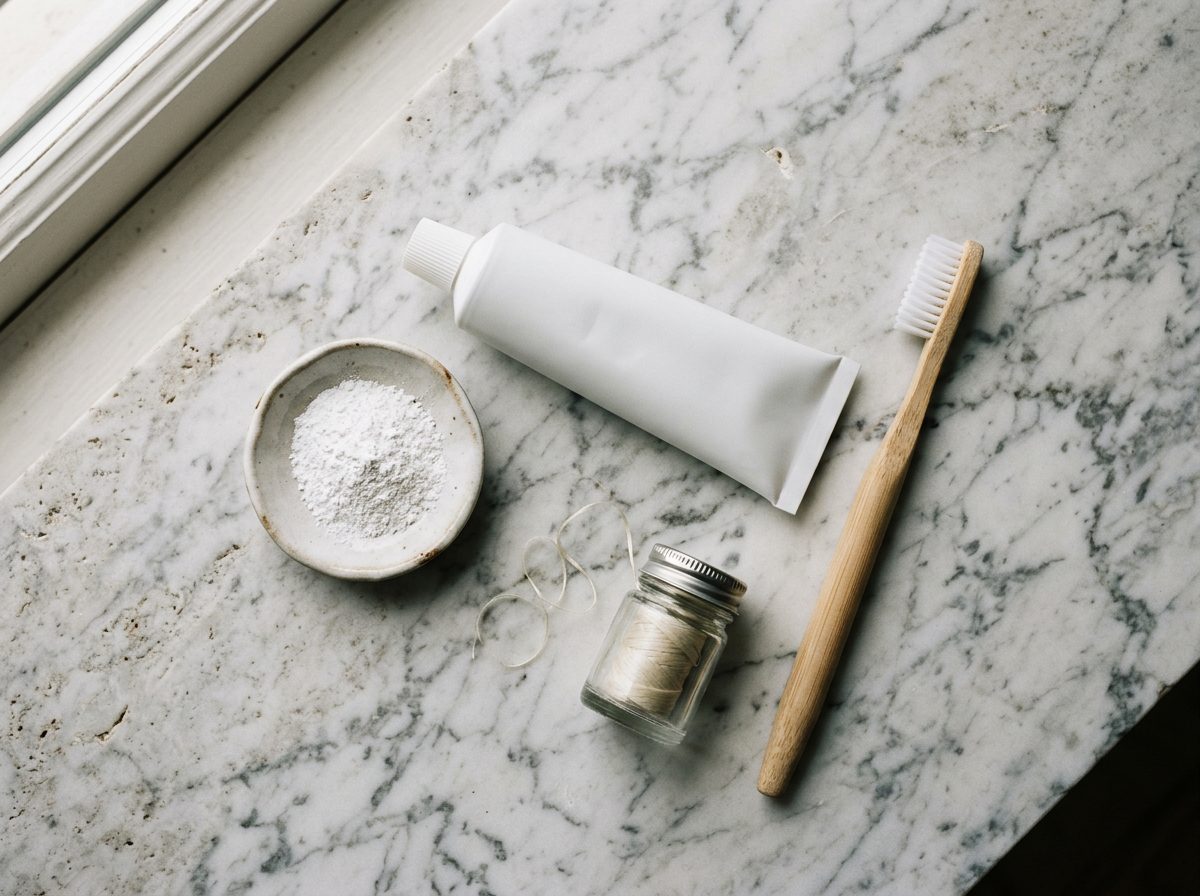
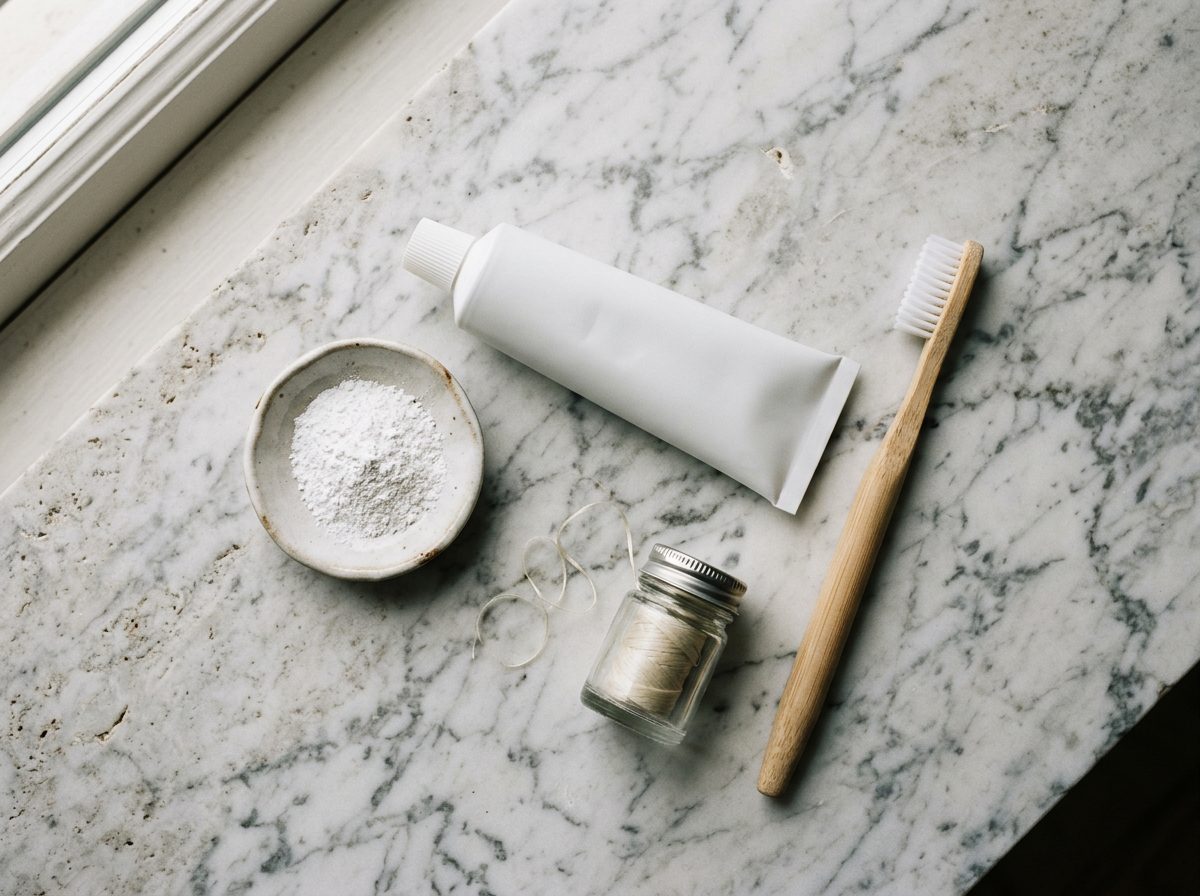
- Food-grade hydroxyapatite powder (regular HAP works fine for rinses; nano-HAP is optional and more expensive)
- Filtered water
- A dark-glass bottle (50–200 ml) for storage
- A small whisk or shaker
Recipe 1: The minimalist daily rinse
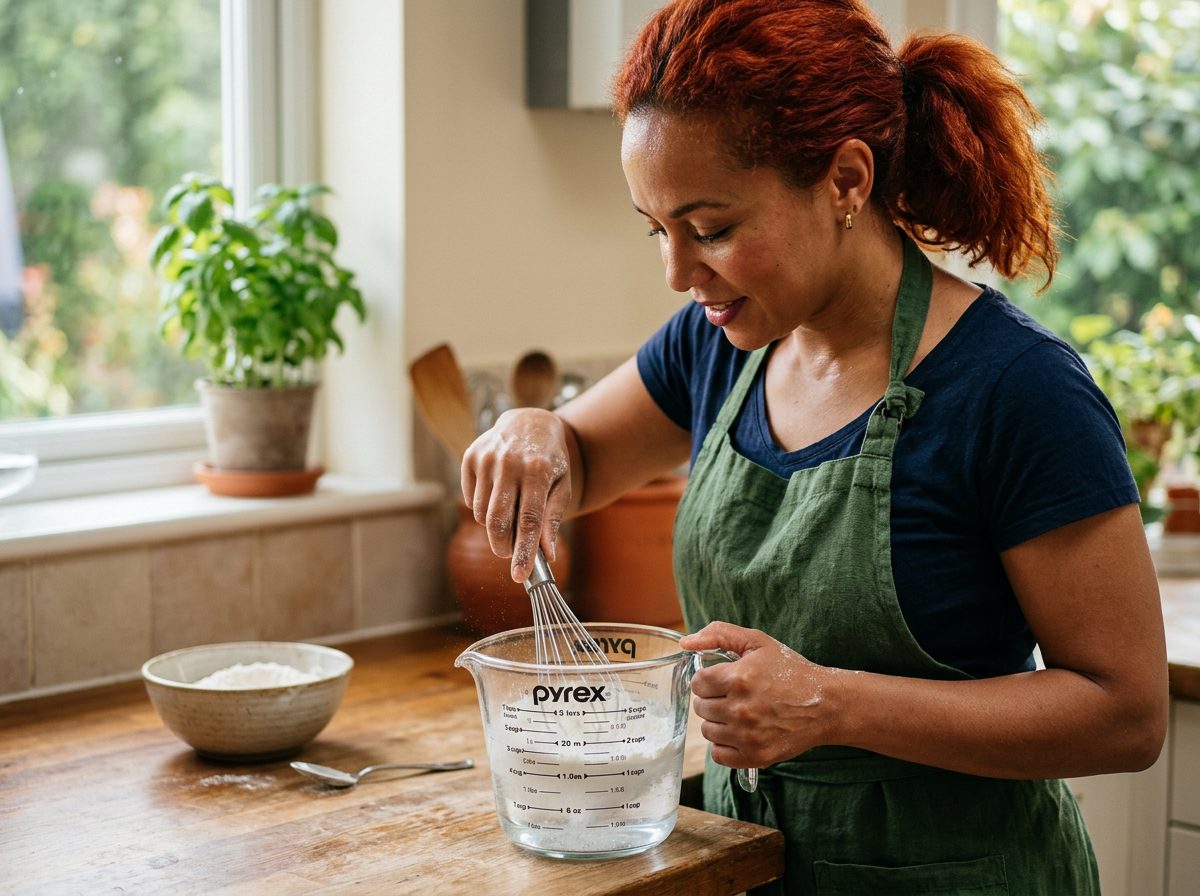
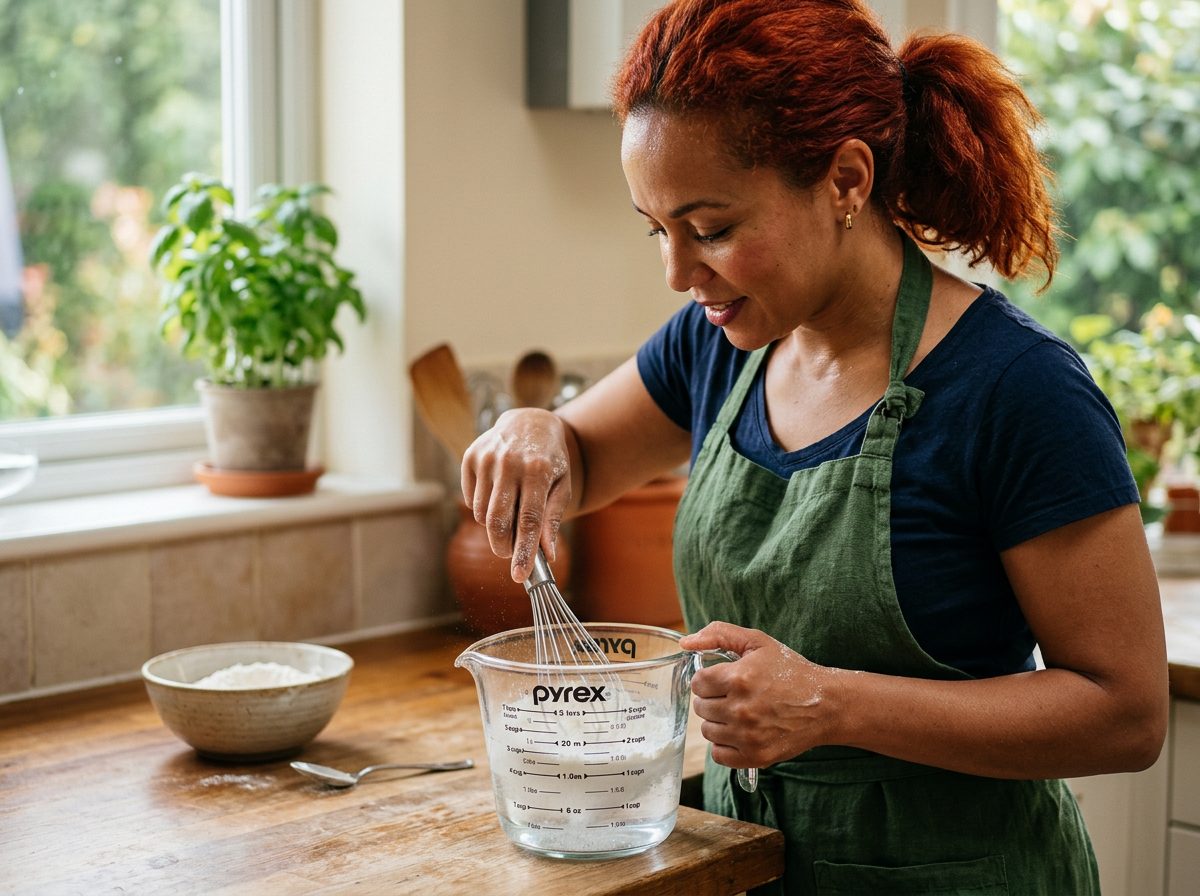
The simplest possible HAP rinse — no flavour, no preservatives, just the essentials.
Ingredients
- 200 ml filtered water
- 1 teaspoon (~5 g) HAP powder
- 1/4 teaspoon xylitol (optional, for taste and bacterial control)
Method
- Pour water into the storage bottle.
- Add HAP powder and xylitol.
- Shake vigorously for 30 seconds.
- Use immediately or refrigerate.
Use
- Shake before each use (HAP settles).
- Swish 1–2 tablespoons for 60 seconds after brushing.
- Spit but don’t rinse with water.
- Avoid eating or drinking for 20 minutes.
Shelf life: 5–7 days refrigerated. Make small batches.
Recipe 2: The remineralising mineral rinse
A more complete rinse with calcium and phosphate cofactors that support remineralisation.
Ingredients
- 200 ml filtered water
- 1 teaspoon HAP powder
- 1/4 teaspoon calcium carbonate (food grade)
- 1/4 teaspoon baking soda (sodium bicarbonate) — mild buffer
- 1/2 teaspoon xylitol
- 1 drop food-grade peppermint or spearmint essential oil (optional)
Method
- Combine all dry ingredients in the bottle.
- Add water.
- Shake well to suspend.
- If using essential oil, add last and shake again.
Use
- Shake well before each use.
- Swish 1–2 tablespoons for 60 seconds after brushing.
- Spit, don’t rinse.
The baking soda makes this rinse mildly alkaline, which supports a tooth-friendly mouth pH for 30–60 minutes after.
Recipe 3: The herbal HAP rinse
For users who want flavour, antimicrobial support from herbs, and still get the HAP benefits.
Ingredients
- 180 ml chamomile or sage tea (cooled)
- 1 teaspoon HAP powder
- 1/4 teaspoon xylitol
- 2 drops food-grade clove essential oil (skip during pregnancy)
Method
- Brew the chamomile or sage tea, let it cool fully to room temperature.
- Strain into the bottle.
- Add HAP powder and xylitol; shake.
- Add essential oil drops; shake again.
Use
- Shake before each use.
- Swish 1–2 tablespoons for 60 seconds.
- Spit, don’t rinse.
Sage has mild astringent and antimicrobial properties; clove provides traditional dental-care benefits. Note: clove can be too strong for sensitive mouths — reduce to 1 drop or skip if irritating.
The xylitol question
Xylitol is a sugar alcohol that Streptococcus mutans (the main cavity-causing bacterium) can’t metabolise. Repeated exposure reduces the bacterial load. Adding xylitol to a HAP rinse doubles the protective effect. Caution: xylitol is highly toxic to dogs — never let pets near your homemade rinse.
Storage and safety for DIY hydroxyapatite mouthwash
- Make small batches — without commercial preservatives, homemade rinses go off in 5–7 days.
- Refrigerate.
- Use a dark glass bottle if including essential oils — sunlight degrades them.
- Wash the bottle weekly with hot water and a clean brush.
What to avoid in DIY hydroxyapatite mouthwash
- Hydrogen peroxide: harsh on gums, conflicts with HAP remineralisation
- Alcohol: defeats the soothing point of a homemade rinse
- Acidic ingredients (vinegar, citric acid): demineralise enamel — the opposite of what HAP is for
- Iodine or strong antimicrobials: not appropriate for daily home use
When to use HAP rinse vs HAP toothpaste
- Rinse: after brushing as a finishing step; midday after meals; before bed
- Paste: twice-daily brushing
The two are complementary, not interchangeable. Toothpaste does the mechanical cleaning; the rinse extends contact time.
Realistic expectations
HAP rinses don’t deliver dramatic overnight results. They’re a long-term enamel-support tool. Daily use over 4–8 weeks usually produces:
- Reduced sensitivity
- Smoother tooth surfaces
- Slight visual improvement of white-spot lesions
- Better recovery from acidic-food challenges
FAQ
Can I make a 4-week supply at once? Not without preservatives. Stick to 5–7 days at a time.
Is the powder safe to swallow? HAP powder is a food-grade ingredient. Trace swallowing during rinsing is fine. Don’t drink the rinse.
Will the powder settle in my bottle? Yes — HAP doesn’t fully dissolve. Always shake before use.
Looking for food-grade HAP powder for DIY recipes? Browse our hydroxyapatite range — pure powder, full transparency, EU-shipped.