


Last updated: October 12, 2026
Key takeaways
- Hydroxyapatite cannot regrow receded gum tissue but mineralises exposed cementum and dentin to slow further erosion.
- HAP occludes open dentinal tubules, reducing sensitivity to cold, heat, and pressure at exposed root surfaces.
- Brushing technique, acidic drink habits, bruxism management, and smoking cessation influence recession as much as toothpaste choice.
- Professional evaluation is necessary when periodontal pocketing, tooth mobility, or visible recession progression occurs.
- Hydroxyapatite is compatible with fluoride and provides a fluoride-free alternative for those who prefer one.
You catch sight of yourself smiling in a mirror and notice the line where your tooth meets your gum has crept up half a millimetre since last year. Receding gums are common, slow-moving, and usually painless until exposed roots start to ache. Then you start asking what to do about it.
Here’s a careful, evidence-aware look at hydroxyapatite for receding gums: what it can do, what it can’t, and where it fits in a recession-management routine.
What gum recession actually is
Gum tissue (gingiva) sits like a tight collar around each tooth. It’s continuously remodelled and can pull back over years from:
- Aggressive brushing (hardest brushing on the dominant side — right-handed people often see more right-side recession)
- Periodontal disease
- Tooth-grinding pressure
- Genetics — some people have thinner gum biotypes
- Orthodontic movement
- Tobacco use
Once gums recede, they don’t grow back without surgical grafting. The tissue you’ve lost is lost.
So what’s the problem at the exposed root?
The crown of the tooth is covered in enamel — the hardest material in the body. Below the gum line, the tooth is covered in cementum, which is much softer and can wear away within months of exposure. Below cementum is dentin, with its tubules running toward the nerve.
This is where sensitivity, decay, and erosion accelerate. Recession = exposed cementum = vulnerable tooth.
What hydroxyapatite for receding gums does at the recession line
Hydroxyapatite has three relevant effects on exposed root surfaces:
1. Surface mineralisation of cementum and dentin
HAP particles bind to exposed root structure and fill micro-defects. This doesn’t rebuild a full enamel cap, but it does create a thin remineralised layer on cementum and dentin that’s more acid-resistant than the bare surface.
2. Tubule occlusion
Exposed dentin tubules let cold, heat, and pressure trigger nerve signals. HAP particles physically lodge in tubules and block fluid flow. This is the same mechanism that gives HAP its sensitivity-relief reputation.
3. pH buffering
HAP is mildly alkaline and buffers the local pH around brushed surfaces for 30–60 minutes. Acidic environments accelerate cementum loss; HAP brushing creates short alkaline windows that slow that erosion.
What hydroxyapatite for receding gums cannot do
This is the honest part:
- HAP does not regrow gum tissue. No toothpaste does.
- HAP does not reverse periodontal pocket depth.
- HAP does not replace the need for a dental hygienist’s evaluation.
- HAP cannot stop further recession on its own — only behaviour change (brushing technique, occlusion management) does.
What HAP can do for someone with receding gums
- Reduce sensitivity from exposed roots
- Slow erosion of cementum and dentin
- Strengthen the enamel above the recession line so further damage is slower
- Provide a fluoride-free option for people who avoid fluoride
- Be gentle enough to use with a soft brush, supporting better brushing technique
Routine for managing recession with hydroxyapatite for receding gums
Brush technique that protects gums
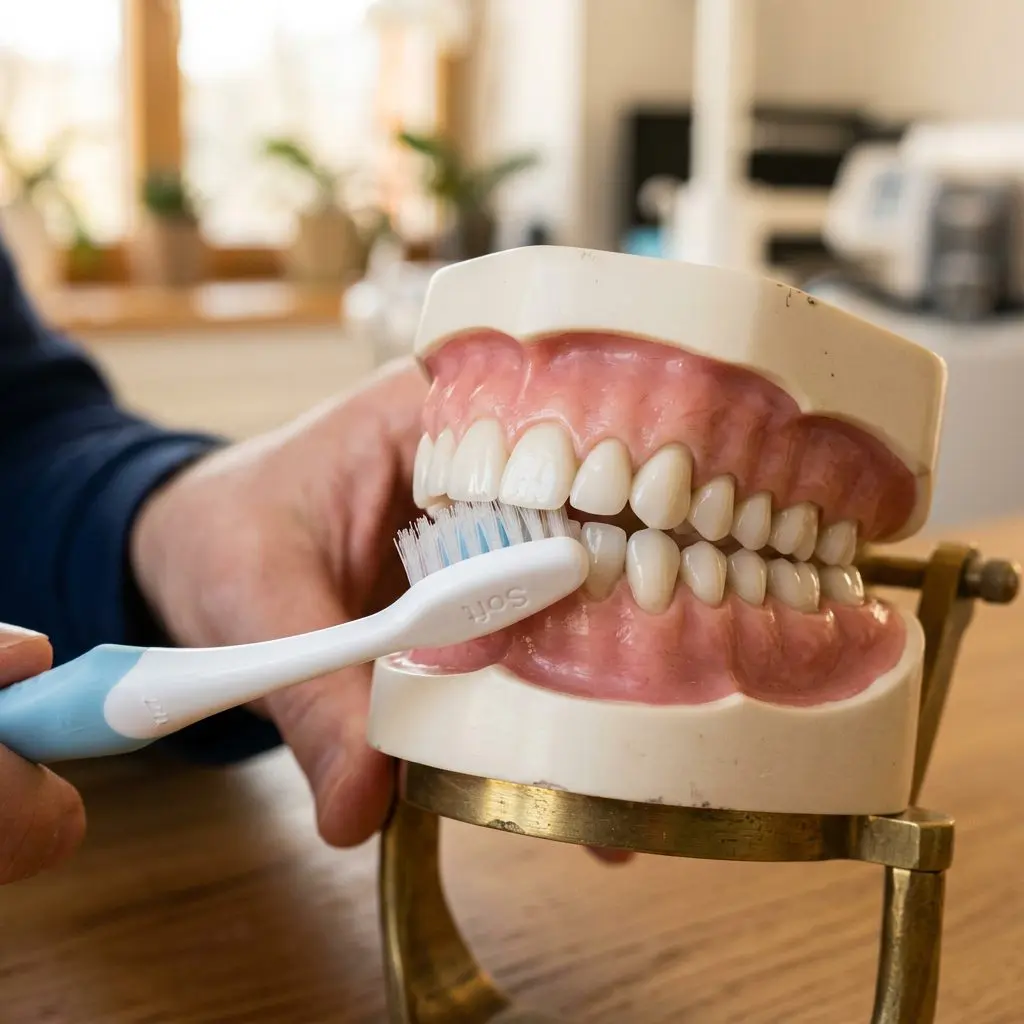
- Switch to an extra-soft or soft-bristle brush.
- Use the modified Bass technique: 45-degree angle to the gum line, very small circular or vibratory motion.
- Press lightly — the bristles should bend slightly, not splay out.
- Brush 2 minutes total, 30 seconds per quadrant.
- If you use an electric brush, let the brush do the work; don’t add pressure.
HAP application
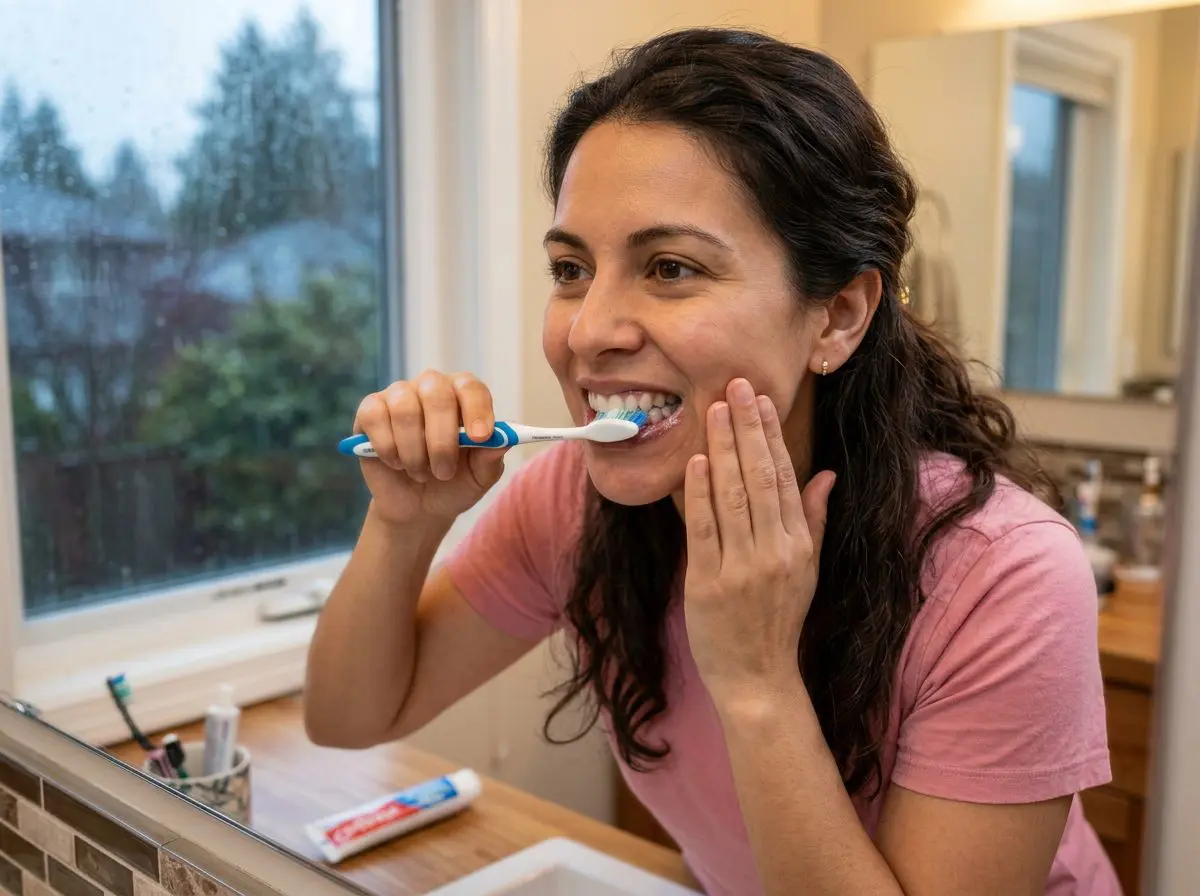
- Pea-sized amount, twice daily
- Pay extra attention to the gum line and exposed root surfaces
- Spit, don’t rinse
- Avoid eating or drinking for 30 minutes
Targeted “leave-on” for sensitive root areas
- After brushing, dab a small additional amount on the sensitive root surface with a clean finger.
- Leave 2–5 minutes.
- Spit gently.
Lifestyle factors that matter as much as the paste
- Acidic drink habits: citrus, sparkling water, kombucha, and wine all erode exposed cementum. Drink water after, don’t brush immediately.
- Bruxism (grinding): a night guard prevents the occlusal trauma that contributes to recession.
- Smoking: smoking impairs gum healing and accelerates recession. Nothing else moves the needle on gum health like quitting.
- Flossing technique: aggressive flossing can damage gum collar — floss in a C-shape against each tooth, not snapping through gum.
When you need a dentist, not a toothpaste
HAP is supportive care. Get professional evaluation if you have:
- Active periodontal pocketing (gums bleed when brushed, breath always smells)
- One or more teeth feeling loose
- Recession progressing visibly within 6–12 months
- Persistent pain at one tooth
Treatments your dentist can offer that paste cannot include scaling and root planing, periodontal pocket reduction, gum-graft surgery, and night-guard fitting.
HAP and other recession-friendly products
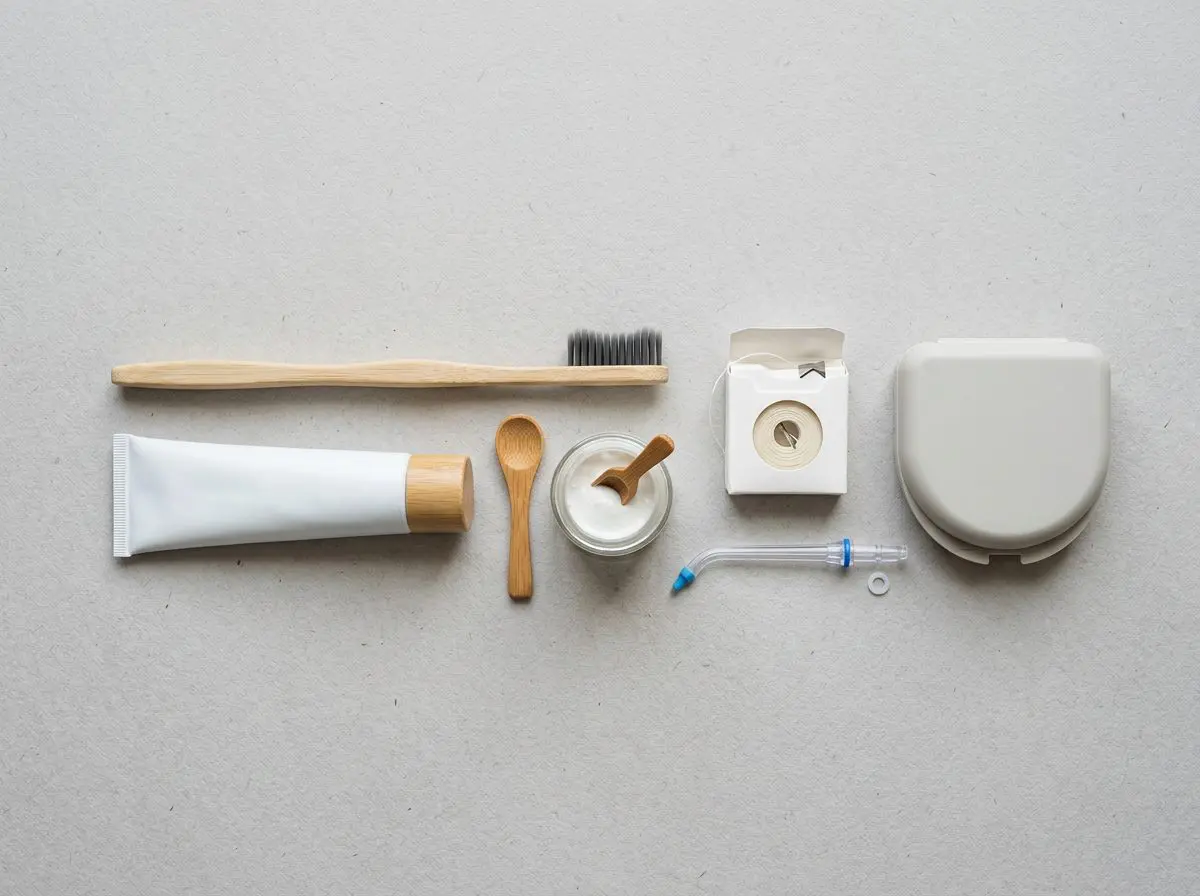
- Soft electric brush with pressure sensor: the single best gum-protective hardware purchase
- Water flosser: gentle on inflamed gums, effective at debris removal
- Alcohol-free mouthwash: alcohol dries the mouth and stresses gums
- Xylitol mints / gum: reduces cavity bacteria, increases saliva, supports remineralisation
FAQ
Can hydroxyapatite reverse my receding gums? No. Nothing topical reverses gum recession. HAP protects exposed surfaces.
Is HAP safe to use long-term on exposed roots? Yes. Food-grade ingredient, used continuously in Japan for decades.
Can I use HAP and fluoride together? Yes. Many people alternate — fluoride morning, HAP night. Some products combine both.
Looking for hydroxyapatite to slot into a recession-friendly routine? Browse our HAP range — food-grade powder and ready-to-use options.